
How to Choose a Reliable Motorcycle Transport Company in South Africa: Safety, Cost, and Peace of Mind
- Motorcycle transport in South Africa requires careful planning, verification, and understanding of real risks, costs, and timelines.
- Choose a reputable, insured company that understands local routes, weather, and handover challenges.
- Always inspect your bike, document condition, and understand your insurance and liability before booking.
- Compare quotes, check reviews, and favour clear communication to avoid disappointments or unexpected costs.
- This guide shows you the practical steps, pitfalls, and must-knows for safe bike transport across South Africa.
Introduction: The Challenge of Safely Moving Your Bike in South Africa
Whether you’ve found your dream adventure bike on a classifieds site in Cape Town, need to relocate your superbike between Johannesburg and Durban, or are a dealer arranging delivery for a Gauteng customer, moving motorcycles across South Africa can be daunting. Unlike cars, bikes demand extra careful handling, tailored loading, and specialised know-how to prevent costly damage or insurance headaches.
The stakes are high: South African distances are long, weather is unpredictable, and crime risk is real. Meanwhile, mistakes — wrong paperwork, corners cut on insurance, or rushed loading — often only surface at delivery. This guide is designed for motorcycle owners, buyers, sellers, and dealers looking for trustworthy, practical advice on choosing a reliable transport company, understanding the real process, and protecting their investment every step of the way.
By the end, you’ll understand not just what to check, but why it matters, and how to ensure your motorcycle gets where it’s going safely, affordably, and on time.
Understanding Motorcycle Transport in South Africa
Why and When Is Transport Needed?
South Africa’s vast distances and active motorcycle market mean bike transport is often essential. Here are common scenarios:
- Long-distance purchases: Buyer finds a used or new motorcycle on AutoTrader, BikeHub, or OLX, or through a dealer hundreds of kilometres away.
- Relocations and transfers: Owners moving between provinces — for work or lifestyle — often need their bike transported alongside household goods, or as a priority shipment.
- Dealership transfers: Dealers frequently need to move stock between branches or deliver direct to customers in another province.
- Event logistics: Enthusiasts travelling for rallies or track days, especially on less roadworthy or off-road bikes.
South African Transport Realities
Routes such as Johannesburg – Cape Town (JHB–CPT: approx. 1,400 km), Durban – Joburg (DBN–JHB: approx. 600 km), and Port Elizabeth – Cape Town (PE–CPT: approx. 760 km) are most common. Some companies serve only these “mainline” routes, while others tackle rural or cross-border trips — both of which affect price, risk, and timing.
Demand rises at month-end, public holidays, and during major events (e.g., SA Bike Festival), so booking in advance can be important.
Key Factors That Influence Cost, Safety, and Delivery Time
What Drives Pricing — and Why It Matters
- Distance & Route Popularity: Main cities (JHB, CPT, DBN, PE, PTA) are cheaper due to consolidated loads; remote and rural delivery costs more due to extra fuel, time, and risk.
- Bike Size & Value: Adventure bikes, cruisers, or custom bikes often cost more to transport than small scooters due to weight, bulk, and replacement value.
- Transport Method: Open trailers are cheaper but less secure and weather-protected. Enclosed transport offers better protection but at a price premium (often R1,500–R3,500 extra for a long-distance trip).
- Insurance Coverage: Carrier Goods-in-Transit (GIT) insurance vs. relying on your own cover. Not all offers are equal — see below.
- Pickup & Drop-off Accessibility: If a bakkie or truck cannot get close, you may pay extra for last-mile delivery or need to meet the transporter at a safe spot (e.g., nearby garage or dealership).
- Scheduling Flexibility: Shared loads are cheaper but less predictable (may take a week or more JHB–CPT); dedicated or urgent service costs extra (possibly 30–50% more).
Realistic Price Ranges (Main Routes, 2024):
| Route | Scooter (Open) | Superbike / ADV (Open) | Enclosed (+) | Estimated Delivery |
|---|---|---|---|---|
| JHB–CPT (1,400km) | R1,500–R2,200 | R2,200–R3,000 | +R1,500–R3,500 | 3–8 days |
| DBN–JHB (600km) | R1,000–R1,700 | R1,600–R2,300 | +R900–R2,000 | 2–5 days |
| PE–CPT (760km) | R1,200–R1,700 | R1,700–R2,500 | +R1,000–R2,000 | 2–5 days |
Note: Final costs depend on load-sharing, delivery address (central vs rural), and service level. Always verify if VAT and insurance are included.
How Motorcycle Transport Actually Works: Step-by-Step Process
From Booking to Delivery: What Really Happens
- Quote & Booking: Provide details (make/model, dimensions, running condition, addresses, date). Most reputable platforms or providers respond within 24 hours. Check what’s included (insurance, delivery method, VAT).
- Preparation & Documentation: Remove loose accessories, check fuel is low (less than 1/4 tank), disconnect alarms if needed. Prepare ID, NaTIS registration, proof of ownership or sales agreement. Some companies require a signed indemnity.
- Condition Inspection: Together with the transporter, photograph and record any existing dents, scratches, or keys provided. Make sure both parties agree in writing or via a digital report.
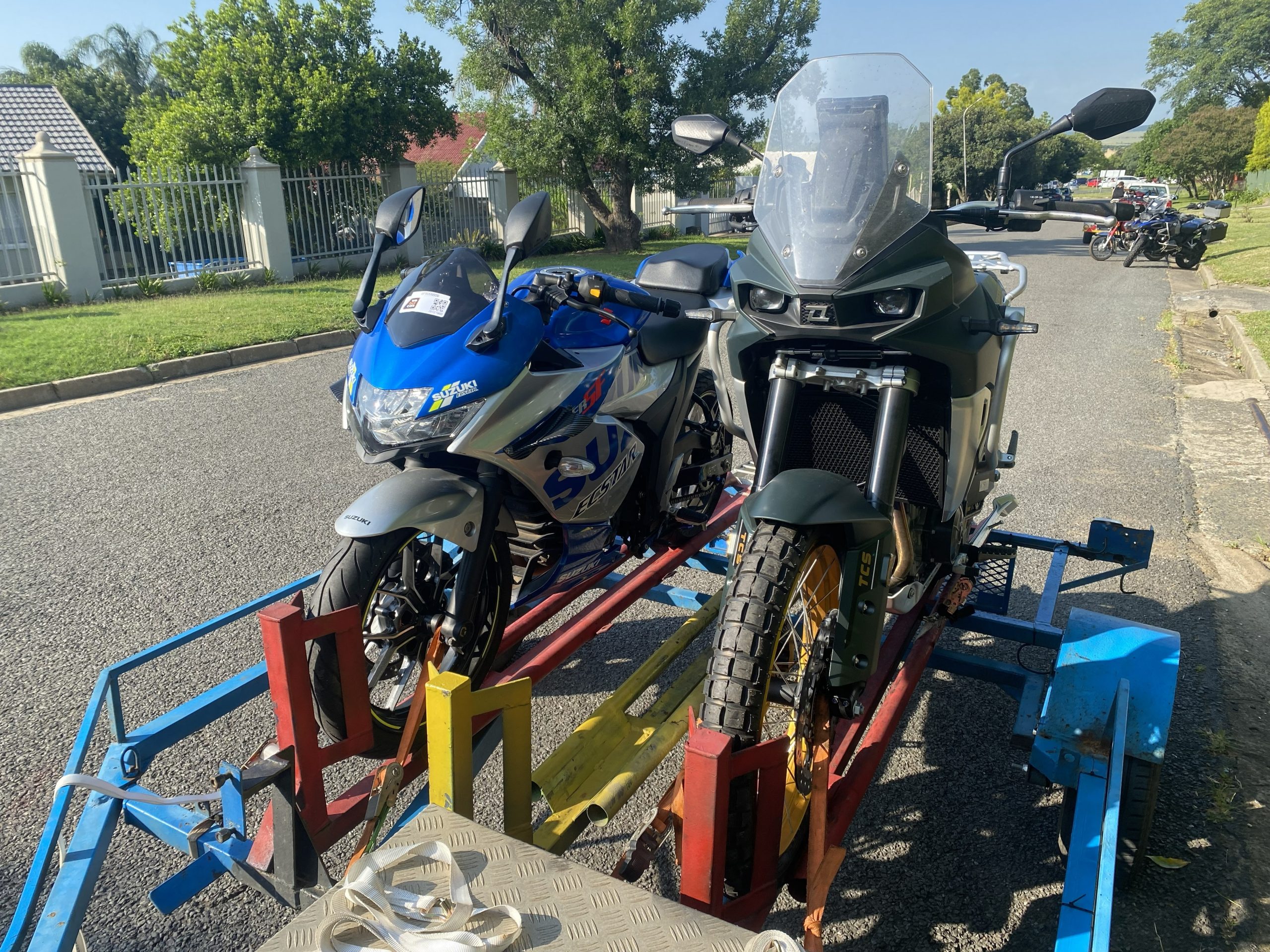
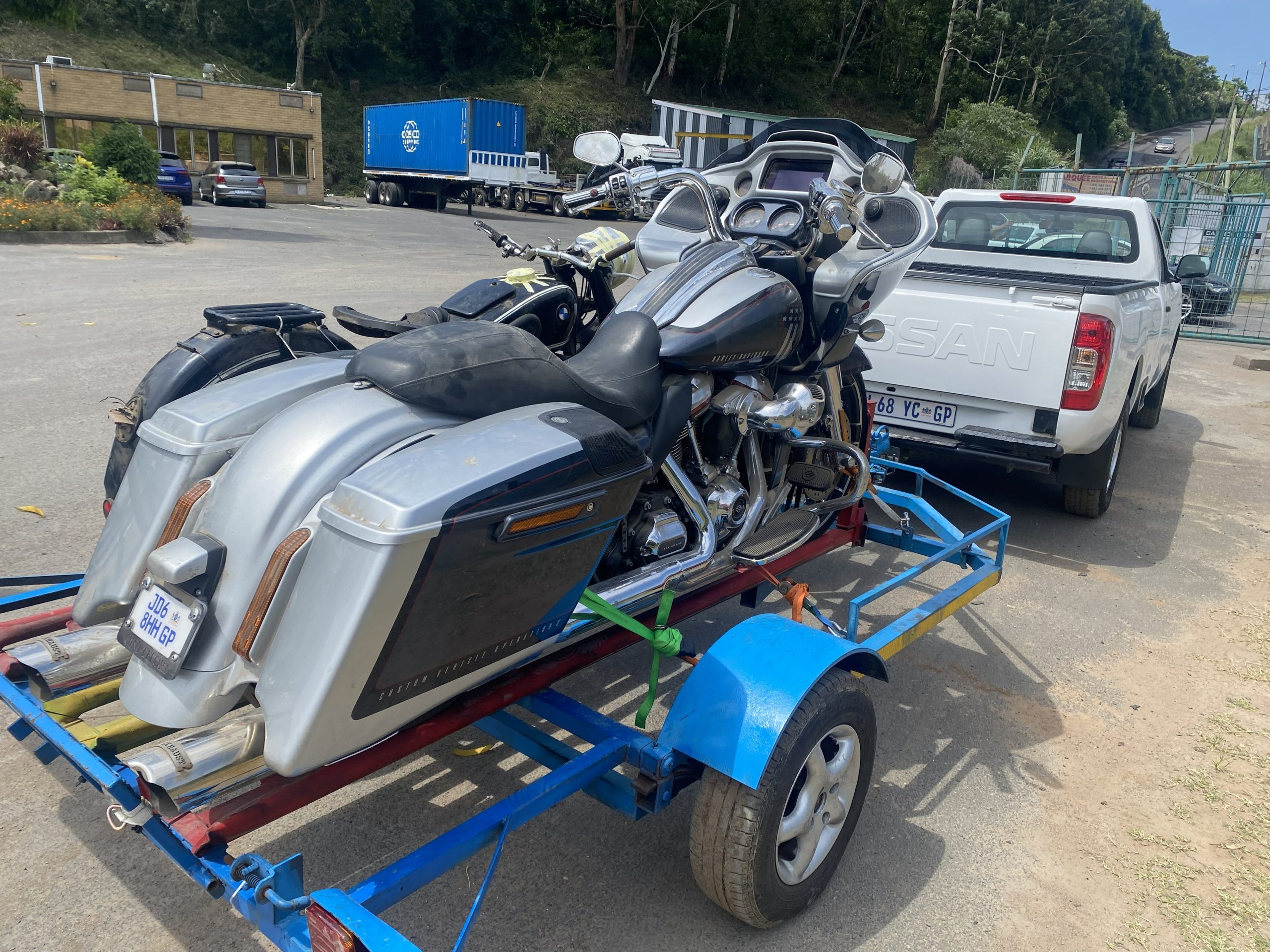
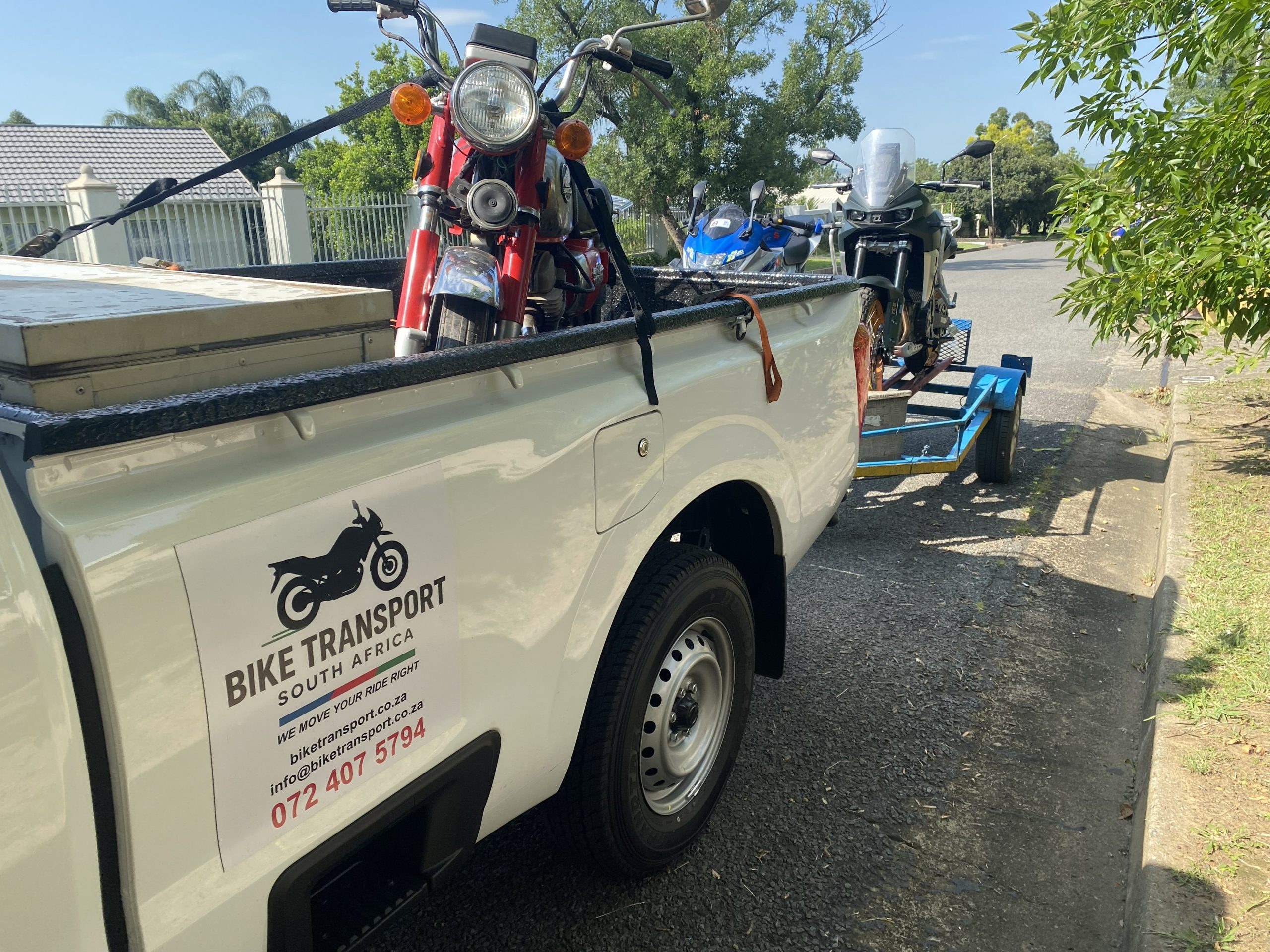
- Loading & Handover: The driver loads your bike using ramps or lifts, securing it with soft straps, wheel chocks, and padding where needed. For multi-unit loads, bikes are staggered to prevent contact. You or your authorised representative sign off.
- Transit & Monitoring: Most transporters offer limited real-time tracking. You can usually request driver contact details and estimated time of arrival. Unexpected delays due to weather or traffic are possible.
- Delivery & Inspection: On arrival, inspect your motorcycle for new damage before signing acceptance. File written claims for any issues on the spot, and provide photographic evidence.
Real-World Case Example: 2023 Johannesburg to Cape Town Adventure Bike
Scenario: Thabo, a Gauteng-based buyer, purchases a 2019 BMW F850 GS Adventure from a Cape Town dealer.
- Distance: ±1,400km
- Transport Booked: Shared enclosed trailer, door-to-door
- Lead Time: Collection arranged for following Tuesday, delivery quoted in 6–8 calendar days
- Total Cost: R4,200 (including GIT insurance cover to value of R120,000; VAT included)
- Documentation: Buyer sent copy of SA ID, NaTIS registration, proof of payment to dealer
- Outcome: Bike arrived undamaged, after 7 days, following real-time WhatsApp delivery updates. Both parties reviewed handover photos; no disputes.
Practical Detail: The dealer arranged the inspection and handover, but Thabo confirmed insurance cover direct with provider (after confirming company details and reading public reviews).
Risks, Mistakes, and How to Avoid Them
Common Pitfalls in Motorcycle Transport
- Damage during loading/unloading: Especially on open trailers, or when ramps are poorly used.
- Insurance misunderstandings: Not all quotes include full GIT, or may limit liability (e.g., up to R30,000 on cheaper services). Know what cover you have — don’t assume!
- Scams or “fly-by-night” operators: Fake “transport services” targeting buyers from online classifieds platforms. Insist on independent reviews, business registration, and proof of insurance before paying.
- Poor preparation and missed details: Failing to record condition, neglecting documentation, or forgetting to remove valuables or loose items.
- Unrealistic timing expectations: Shared loads may be delayed due to route consolidations. Dedicated service is faster but pricier.
Tip: Arrive Alive and the RTMC regularly warn the public about logistics scams. Verify any bank account or business registration for transporters you don’t know.
How to Choose a Reliable Motorcycle Transport Provider
7 Key Checks Before You Book
- Reputation & Reviews: Check recent, independent customer feedback on Google, HelloPeter, BikeHub, or Facebook. Avoid companies with patterns of non-delivery or poor communication.
- Insurance Documentation: Ask for a copy of their Goods-in-Transit certificate and read the limits/exclusions.
- Transport Equipment: Insist on photographs or video evidence of enclosed trailers, ramps, and tie-down systems suitable for your bike’s size and value.
- Transparent Communication: Professional operators reply promptly, outline all costs, and volunteer references or proof of identity.
- Business Credentials: Legitimate companies are registered, with clear contact details and an established address.
- Detailed Quote: Itemised quotes should specify VAT, insurance, and delivery timing. If something is “optional” or “at owner’s risk”, clarify up front.
- Personal Recommendations: Whenever possible, use a platform or community recommended by fellow riders, dealerships, or established forums like Wild Dog Adventure Riding.
Warning: Be wary of requests for large up-front deposits via untraceable payment methods.
Cost-Saving Strategies: Smart Ways to Reduce Motorcycle Transport Costs
- Be flexible with dates: Sharing loads with other bikes on main routes reduces cost per unit.
- Central drop-off/pickup: Opt for collection/delivery at a dealership or transport depot in a major city, then arrange your own “last mile” ride if safe and roadworthy.
- Book well in advance: Urgent, next-day moves often cost up to 50% more.
- Compare options: Always get multiple quotes from different trusted platforms before deciding.
- DIY removal of extras: Remove panniers, windscreens, and accessories to reduce space and risk of loss or breakage.
Frequently Asked Questions
1. How far in advance should I book?
Ideally, 7–10 days before your preferred collection date, especially for long-distance or shared-load moves. For peak periods (holidays, month-end), book earlier.
2. How do I know my bike is properly insured during transport?
Request a copy of the carrier’s Goods-in-Transit policy and confirm the insured amount covers your motorcycle’s value. Don’t rely on vague assurances; written proof is essential.
3. What paperwork do I need?
A copy of your SA ID (or passport), NaTIS registration papers, and proof of ownership or sale. Sometimes, a letter of authority or indemnity is required for third-party handover.
4. Can I transport extra items (spares, helmets, gear) with my bike?
Most companies advise against including loose items, as they are generally not covered by insurance and may be lost or damaged in transit.
5. What if my bike is damaged on arrival?
Report and photograph any new damage before accepting delivery. File a claim with the carrier and follow their formal process, providing all evidence and transport documentation.
6. Is it safe to transport motorcycles in rural or remote areas?
Yes, but risks (theft, road conditions, delays) are higher. Use only fully insured and well-reviewed carriers for non-urban locations, and clarify security and timing in advance.
Conclusion & Next Steps: Make an Informed, Safe Transport Choice
Successful motorcycle transport in South Africa is about more than just price. By understanding the real process — from route realities, insurance, and handling to reputation checks — you protect both your bike and your peace of mind. Never cut corners on documentation, insurance, or provider honesty.
Compare trusted options, ask the right questions, and insist on transparency and professionalism. Whether you’re moving a daily commuter, a classic restoration, or a brand-new superbike, proper preparation and informed choices are your best safeguard against surprises on South African roads.
For side-by-side quote comparisons and vetted local information, consider using an independent motorcycle transport platform to start your search. Safe travels — and enjoy your next ride!