
Red Flags: Warning Signs of Unreliable Motorcycle Transporters – Protect Your Bike and Your Wallet
Motorcycle transport in South Africa is a specialised service with risks. This guide helps bike owners, buyers, sellers, and enthusiasts spot unreliable transporters, understand the transport process, and make safer, more cost-effective decisions. We cover warning signs, best practices, insurance tips, pricing, booking scenarios, and how to verify providers.
Introduction: South African Riders Beware
Buying, selling, or relocating a motorcycle between Pretoria and Cape Town, Durban and Johannesburg, or even a small town in the Free State, often means entrusting your bike to a transport service. Whether you’re moving your first scooter bought on BikeHub, arranging a classic’s sale on AutoTrader, or wanting to relocate a big adventure bike from a Gauteng dealership to the Western Cape, the stakes are high. Your machine’s safety, your peace of mind, and—not least—your wallet all depend on the reliability of your chosen transporter.
This guide is for anyone in South Africa needing to move a motorcycle safely. We’ll explore the red flags of unreliable operators, how transport actually works, cost expectations, insurance pitfalls, documentation, real-world case studies, and actionable tips for selecting the right provider. Keeping your bike safe is not just about the lowest price—it’s about informed choices and staying alert to potential warning signs.
Understanding Motorcycle Transport in South Africa
Many South African riders face situations requiring professional transport services. Common scenarios include:
- Online purchases—Private buys on Marketplace, BikeHub, or AutoTrader where buyer and seller are in different cities
- Dealer transfers—Moving stock between branches or to new buyers
- Relocations—Shifting bikes during provincial moves or for work, university, or military postings
- Event logistics—Transporting motorcycles for races, rallies, or shows like the Johannesburg International Motor Show
Major transport corridors include Johannesburg–Cape Town (±1400 km), Durban–Johannesburg (±600 km), and Port Elizabeth–Cape Town (±800 km). Most reputable providers serve both metros and rural areas, but infrastructure, road conditions, and weather can extend timelines, particularly in provinces like the Eastern Cape or Limpopo during the rainy season. Demand generally peaks over weekends, before major biking events, and near the start/end of university or school terms.
Key Factors That Influence Cost, Safety, and Timing
Understanding what drives the cost, risk, and timelines of SA motorcycle transport can help you identify unrealistic promises and spot unreliable operators. Consider these main factors:
- Distance and Route: Longer and less-frequented routes typically cost more and may have fewer reputable providers. Common routes (e.g., JHB–CPT) benefit from consolidated loads, reducing per-bike rates.
- Motorcycle Size and Value: Large, heavy, or rare bikes require specialised trailers and securement methods, increasing cost.
- Transport Method: Options include open trailer, enclosed trailer, or shared load. Enclosed is safer but pricier.
- Insurance: Some operators offer Goods in Transit (GIT) insurance as standard, but others don’t. Confirm in writing.
- Collect/Drop-Off Location: Remote or outlying areas may attract extra charges or require you to meet in a nearby town.
- Scheduling Flexibility: Short-notice moves typically cost more, and urgent jobs may tempt less reputable “last-minute” types.
Current pricing (as of 2024): For a standard road bike or adventure bike, expect to pay R1,500–R3,500 for short mid-province trips, R3,000–R7,000 for busy long-distance routes (e.g., JHB–CPT), and R7,000–R12,000 for premium, one-bike, or remote deliveries. These are guide ranges—always confirm quotes, and beware prices that are dramatically lower or higher than market averages.
How Motorcycle Transport Actually Works (Step-by-Step)
Here’s a practical overview of the SA motorcycle transport process for a typical dealer-to-private customer booking:
- Enquiry and Quote: Customer provides pickup/drop-off details, motorcycle make/model, and preferred timing. Transporters quote, ideally detailing insurance, timing, and loading method.
- Documentation: Confirm ID, NaTIS papers, proof of ownership, and a copy of the sales agreement if applicable. These are standard anti-theft safeguards in South Africa.
- Booking and Deposit: Secure your spot with a written confirmation. Reputable providers will issue a formal booking confirmation and request a fair deposit (not the full amount upfront).
- Bike Preparation: Clean the bike, take timestamped photos (for condition reporting), remove loose accessories, disable alarms if needed, and minimise fuel.
- Initial Condition Inspection: Together with the provider at collection, complete a handover inspection checklist, noting all visible marks/damage.
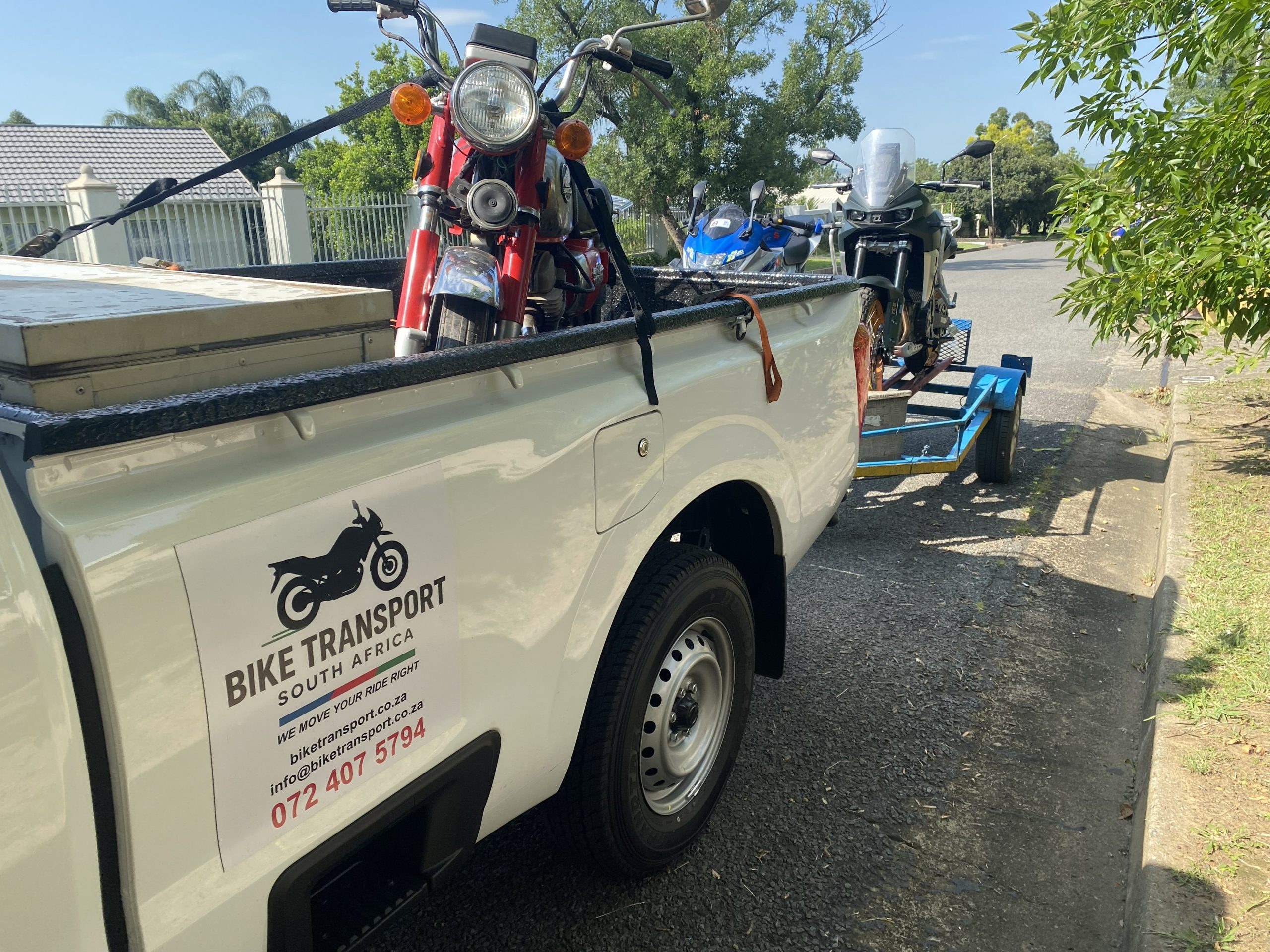
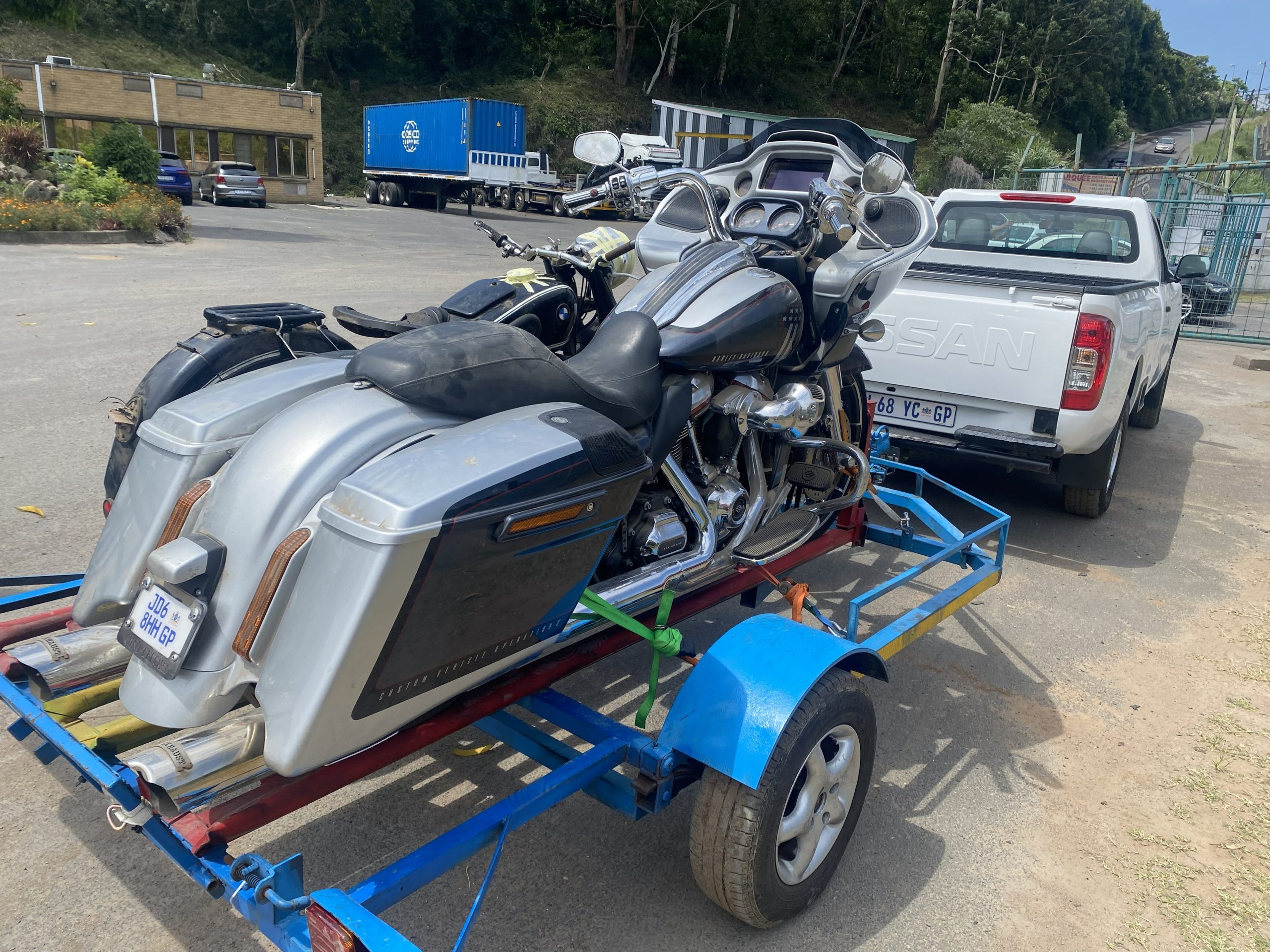
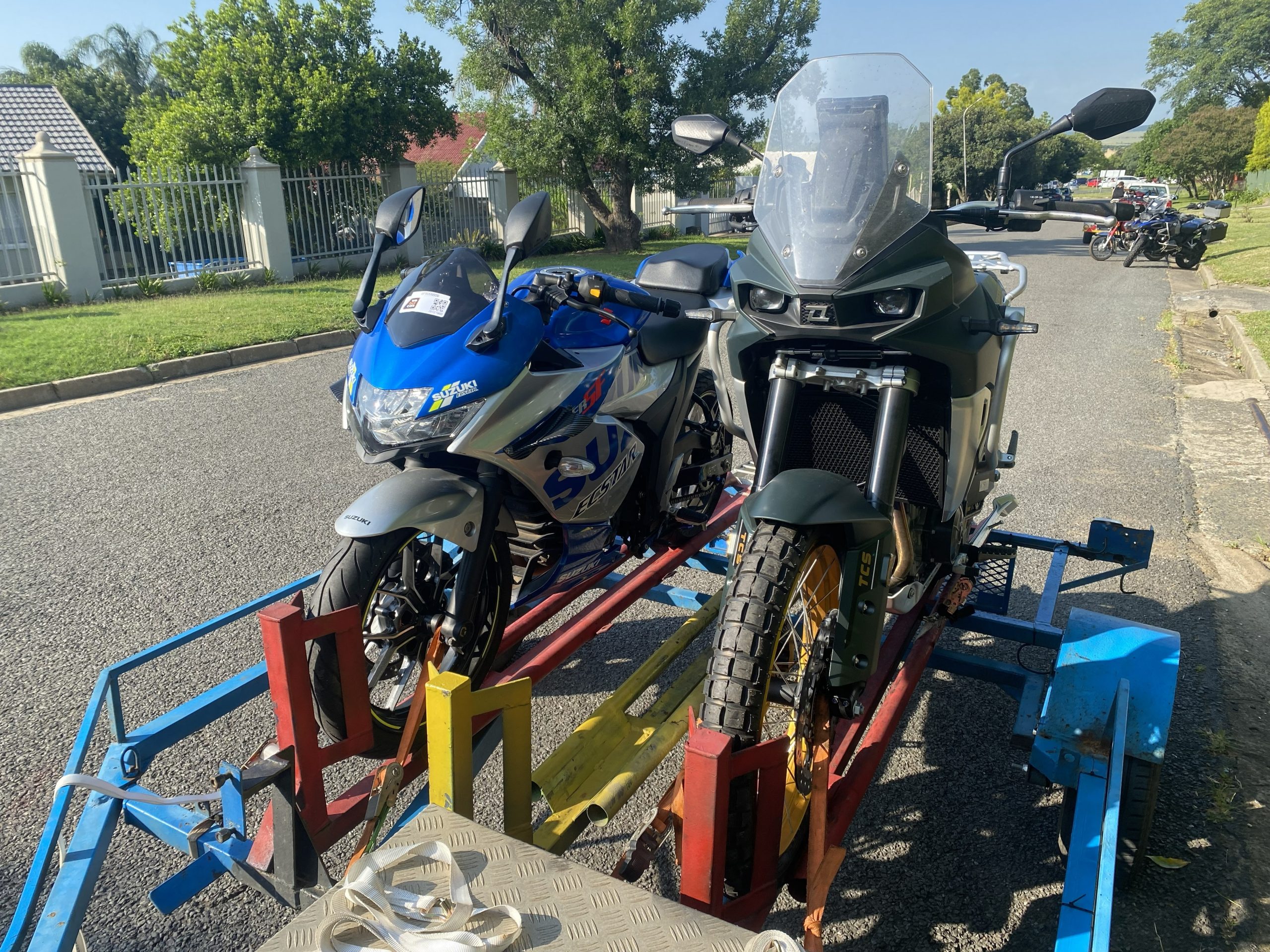
- Secure Loading: Bikes should be loaded using proper ramps and securement (handlebar restraints, wheel chocks, padded straps). Avoid operators using basic bakkies or makeshift trailers.
- Transit and Monitoring: Reliable providers offer tracking or at least provide periodic location updates. Major national routes often mean long periods with poor cell coverage—set realistic update expectations.
- Delivery and Final Inspection: Repeat the inspection process with the buyer/recipient, sign off, and provide any outstanding documentation.
Real-World Example: Yamaha MT-07 from Durban to Cape Town
In early 2024, a rider purchases a used Yamaha MT-07 on AutoTrader, based in Umhlanga (Durban) with collection required to Cape Town central:
- Distance: ±1,600 km
- Transporter: Shared enclosed trailer service, established Gauteng-based operator with GIT insurance
- Documents: Proof of payment, NaTIS copy, seller and buyer IDs
- Prep: Bike photographed, loose mirrors removed, both parties attend handovers
- Transit time: Pickup to delivery: 5 days, with 2 WhatsApp updates during transit (not real-time tracking)
- Cost: R4,800 including VAT and GIT insurance (up to R100,000, excess R1,000)
- Outcome: Bike delivered undamaged, but panel alignment queried on receipt. Pre-shipment photos clarified issue existed at pickup—not transporter’s fault. Both parties satisfied; lesson learned about value of photographic evidence.
Risks, Mistakes and How to Avoid Them
Not all transporters are equal—and some are outright risky. Here’s what to watch for:
- Red Flags and Scams:
- No physical address or SA contact number
- Unusually low prices (“too good to be true” quotes)
- Requests for full upfront payment in cash or crypto
- No paperwork, no invoice, or vague terms
- Rushed pickups outside business hours, or refusal to let you attend
- Lack of insurance documentation or refusal to share policy info
- Poor online reviews, or no digital presence at all
- Reluctance to provide photos of transport equipment or past jobs
- Practical Risks:
- Improper loading leading to bike damage (weak straps, no wheel chock)
- Insurance misrepresentations—what’s covered, what’s not, excesses, and exclusions
- Missed or delayed handover due to vague scheduling or poor planning
- Poor communication—no tracking, limited updates, difficulty getting hold of the driver
- Theft risk if provider lacks vetting or skips standard checks
How to avoid:
- Always insist on documentation and written agreements
- Check company registration and traceable trade history
- Photograph the bike at all handover points
- Discuss claims processes and insurance specifics before booking
- Never rush—give yourself at least 3–5 working days for major routes
According to Arrive Alive and major insurers, reputable providers should volunteer key policy details and explain their liability limit. If you sense evasion or pressure tactics, walk away.
How to Choose a Reliable Motorcycle Transport Provider
Use these best-practice checks before handing over your keys:
- Online Reviews: Look up ratings on Google, Facebook, and independent logistics comparison platforms. Beware only 5-star reviews with no detail.
- Insurance Proof: Request a copy of their GIT or carrier’s liability cover. Verify the insurer and check for expiry dates and exclusions.
- Equipment Suitability: Demand recent photos or descriptions of their trailers. Enclosed or “bike-specific” trailers are far safer than open, multipurpose trailers or bakkies with makeshift rails.
- Transparent Communication: Professionals answer promptly, offer clear timing, and explain their process in plain language.
- Company Background: Check CIPC registration (Company and Intellectual Property Commission), basic VAT compliance, and a physical address.
- Membership or Endorsements: Look for ties to recognised motorcycle associations, dealer references, or logistics platforms with transparency.
Warning: No single check is enough—combine several methods for peace of mind. If the provider is defensive or vague, consider it a major red flag.
Cost-Saving Strategies (Without Sacrificing Safety)
Everyone likes a good deal, but reckless penny-pinching can backfire. Try the following to save money ethically and safely:
- Shared Loads: Choose providers consolidating loads on popular routes (e.g., JHB–CPT, DBN–JHB) for lower per-bike rates.
- Flexible Scheduling: Book during off-peak periods—avoid month ends and public holidays where possible.
- Meet at Hubs: Offer to collect or drop off at a main city or along the transporter’s main route. Avoid remote “detour” fees.
- Prepare Your Bike: Having documents ready, bike cleaned, and loose items removed speeds the handover—no rushed/penalty fees.
- Book Early: Give at least a week to compare options and negotiate terms.
Remember: the cheapest quote is rarely the safest option, especially where high-value bikes or complex cross-province trips are concerned.
Frequently Asked Questions
-
Is motorcycle transport safe in South Africa?
Most professional transporters deliver bikes safely every week. The main risks come from underqualified or uninsured providers. Always verify their credentials and ask about insurance details. -
What documents do I need for bike transport?
Usually: your ID, the NaTIS certificate, proof of ownership, and (for sales) the sales invoice. Some providers may request additional details for cross-border or high-value loads. -
How long does bike transport typically take between major cities?
For routes like JHB–CPT or DBN–JHB, expect 2–5 working days for consolidated loads. Urgent, single-bike delivery may be possible, but confirm at booking and expect a premium price. -
Should I choose open or enclosed transport?
Enclosed trailers offer maximum protection (weather, stone chips, security), but at a price. For classic, rare, or high-value bikes, enclosed is strongly recommended. -
What if my bike is damaged during transport?
Immediately document all visible damage with clear photos, note it on the delivery checklist, and contact the transporter and their insurer. Claims processes vary—ask your provider for details before booking.
Conclusion & Next Steps
Transporting a motorcycle in South Africa can be completely safe and efficient—as long as you approach the process with informed caution. Prioritise verification, ask tough questions, and be wary of red flags such as unusually low prices, lack of credentials, and vague communication. Insist on insurance, proper documentation, and professional loading procedures. Document everything—photos at collection and delivery are invaluable.
Use trusted comparison and coordination platforms to vet and compare options, rather than relying solely on classifieds or word-of-mouth. Remember: a bit of upfront due diligence is the cheapest insurance against disappointment, unexpected costs, or bike damage. Protect your investment, your ride, and—most importantly—your peace of mind with a careful, data-informed approach to motorcycle transport.
Ready to move your bike? Start with a transparent quote and thorough comparison—don’t let red flags put your motorcycle at risk.