
Top-Rated Motorcycle Transport Companies in SA (2025 Review): Find Reliable, Cost-Effective Bike Movers
TL;DR: Quick Guide to Choosing Motorcycle Transport in South Africa
- Transporting a motorcycle in SA involves real costs (usually R1,200–R6,000 for major routes) and risks.
- Look for companies with verified reviews, appropriate insurance, and experience with your bike type and route.
- Common scenarios: buying/selling online, relocation, dealer-to-dealer moves, or sending bikes to events.
- Be prepared: accurate paperwork, condition reports, and flexible scheduling can help avoid pitfalls.
- Compare options, check insurance, and know what to expect from booking to delivery.
Introduction: The Challenge of Moving Motorcycles in South Africa
Selling your bike to someone in Cape Town while you’re in Johannesburg? Bought your dream adventure bike on AutoTrader, but it’s 1,200 km away? Or maybe you’re moving provinces and can’t ride your motorcycle all that distance – especially during Gauteng’s notorious thunderstorms or Karoo cold fronts. Motorcycle transport in South Africa is a practical need but can be daunting, whether you’re an enthusiast, dealership, or first-time buyer.
This guide is for all South African bike owners, buyers, sellers, and dealers who need secure, reliable ways to get motorcycles moved across town or across the country.
You’ll learn how the top-rated transport companies work, what affects cost and timing, where risks lie, and how to protect your motorcycle investment through smart, informed choices.
Getting this right matters – the difference between a smooth handover and costly headaches can come down to your planning and provider choice.
Understanding Motorcycle Transport in South Africa
Motorcycle transport is required in many situations, especially given SA’s vast distances and varying infrastructure quality. Here are some everyday scenarios:
- Online Vehicle Purchases: Buying from BikeHub, AutoTrader, a dealer, or classifieds in another city.
- Dealer or Auction Transfers: Dealership trade-ins, auction wins, or showroom displays.
- Relocation: Moving provinces for work or family reasons.
- Event or Track Day Transport: Getting your bike safely to Kyalami or Aldo Scribante circuits.
As a country with major urban hubs (Johannesburg, Cape Town, Durban, PE, Bloemfontein) and significant rural areas, distance and accessibility play major roles. A simple JHB–CPT trip is nearly 1,400 km, crossing mountain passes, variable weather, and both urban highways and rural stretches.
Demand peaks at month-end, after online deals, or in the spring. This means advance booking is wise, especially for long routes or specialised bikes.
Key Factors That Influence Motorcycle Transport Cost, Safety, and Timing
South African motorcycle logistics are shaped by several practical variables:
- Distance and Route Popularity: Main city-to-city routes (JHB–CPT, DBN–JHB, PE–CPT) are cheaper and faster than remote deliveries. Expect longer timeframes and higher charges for rural or outlying areas.
- Bike Type and Value: Larger or heavier bikes (touring, adventure, cruisers) often cost more. High-value bikes may require extra insurance or handling fees.
- Transport Method: Choices include open trailers (most common), enclosed trailers (for extra protection), shared loads (reduce cost, may increase wait), or individual carriers. Each has cost/safety trade-offs.
- Insurance Cover: Goods-in-Transit (GIT) is standard, but not always comprehensive. Church certainty: request proof. Some premium services offer all-risk cover (expect to pay extra).
- Accessibility: Easy access at both ends saves time and money. Complex handovers (e.g. high-rise apartments, farms) may cost more.
- Scheduling and Flexibility: Fixed dates or urgent moves often cost more. Shared-load services are more affordable but have variable windows.
Typical Cost Ranges (2025 Estimates)
| Route | Distance | Estimated Cost (R) | Average Timeline |
|---|---|---|---|
| Johannesburg – Cape Town | ~1,390 km | R2,500 – R5,000 | 3–7 days |
| Durban – Johannesburg | ~570 km | R1,200 – R2,800 | 2–5 days |
| Port Elizabeth – Cape Town | ~750 km | R1,800 – R3,500 | 2–6 days |
| Rural/Remote Delivery | Variable | R800+ extra | Extra 1–4 days |
Note: Prices fluctuate with fuel costs, demand, bike size, and options (enclosed vs open). Quotes should always be obtained for your specific situation. Source trends: Online marketplace listings, platform comparison data, and direct operator feedback (2024–2025).
How Motorcycle Transport Actually Works: Step-by-Step Guide
1. Pre-Booking and Preparation
- Compare quotes: Use reputable transport platforms to compare multiple providers based on route, timing, and customer feedback.
- Confirm documentation: You’ll typically need your ID, NaTIS registration papers, and proof of ownership (bill of sale or dealer invoice). Ensure both parties have matching details.
- Agree on insurance: Check what the carrier’s GIT or other coverage includes, and what exclusions apply (e.g., only in-transit, not loading/unloading).
2. Pre-Transport Inspection and Hand-Over
- Condition report: Document the bike’s condition (photos, notes) with both parties present. Note any existing scratches/damage. This forms the basis for any later claims.
- Pre-load prep: Remove loose items, accessories, alarms. Ensure minimal fuel in the tank (~2 litres), secure all panels, and consider disabling the battery (if requested).
3. Collection & Loading
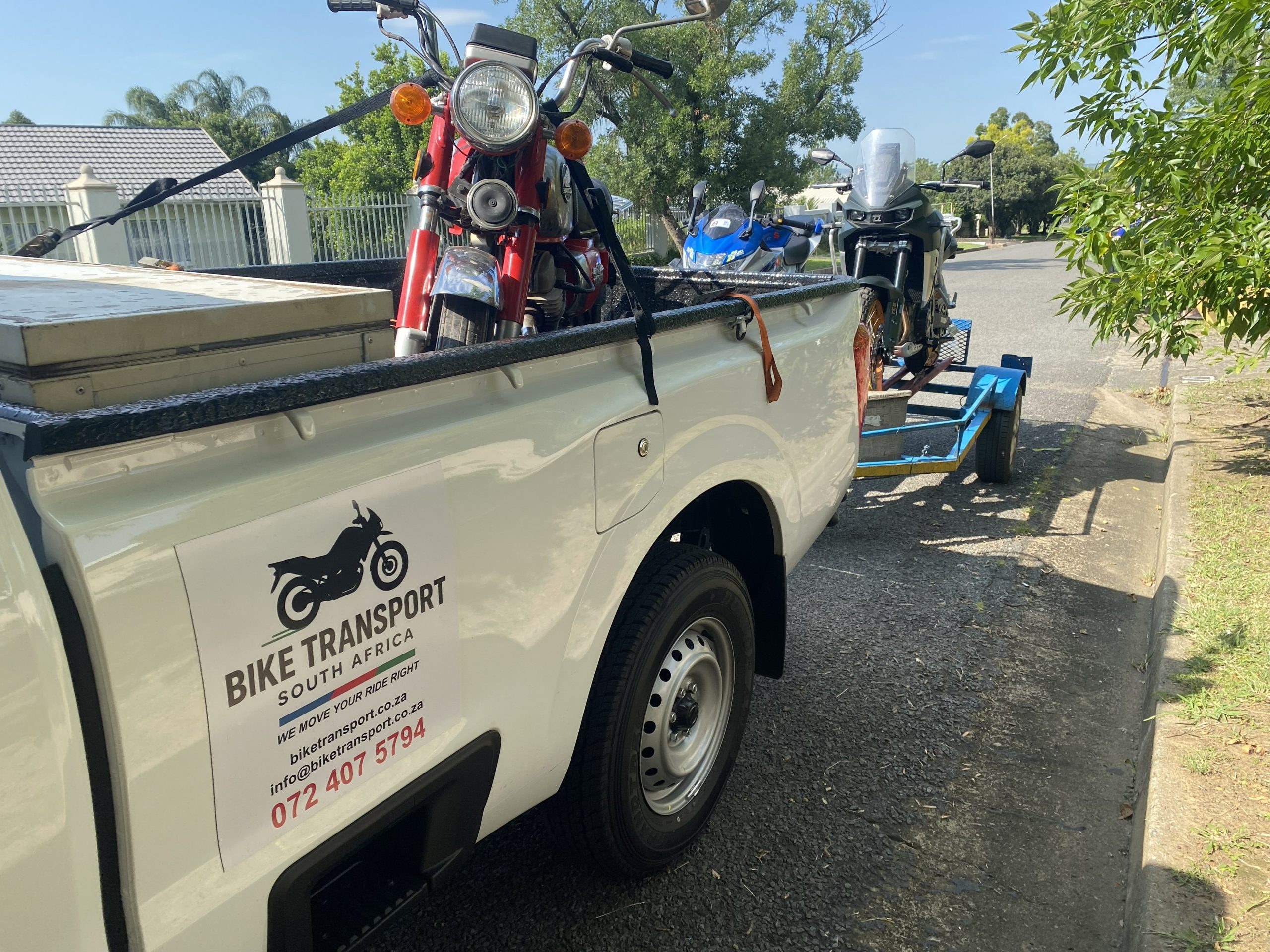
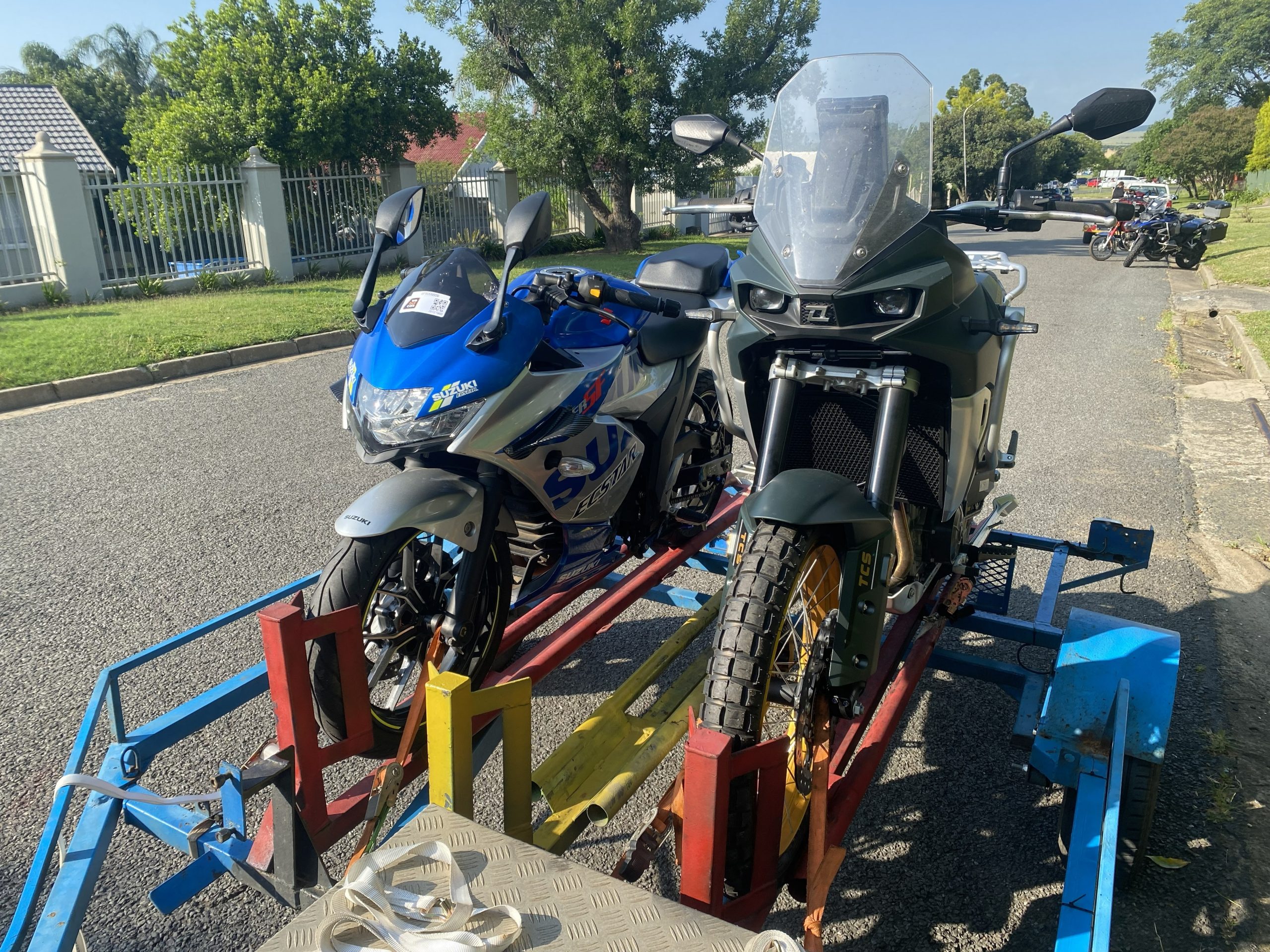
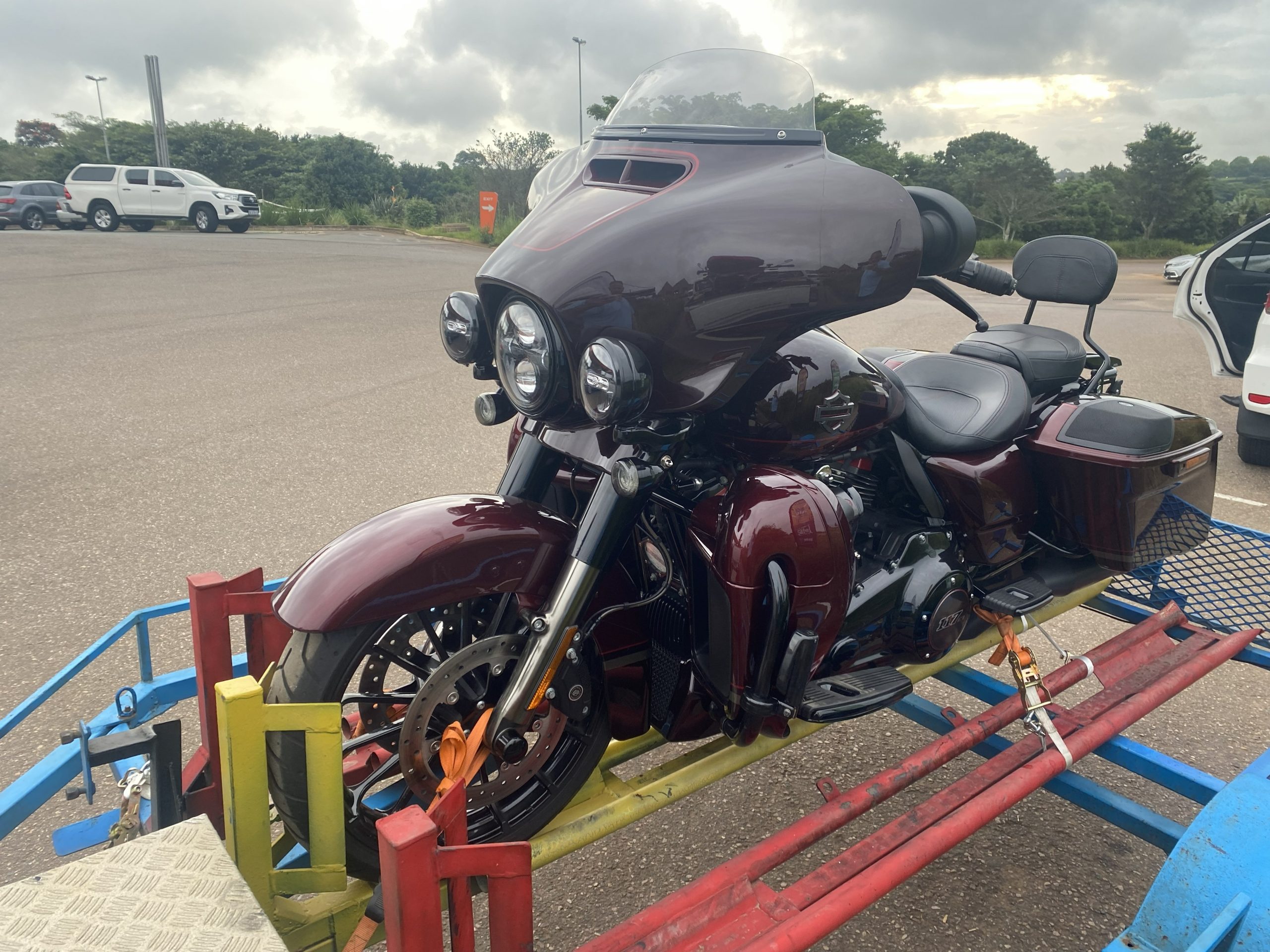
- Professional loading: Bike is secured using soft straps, handlebar clamps, and wheel chocks. Some companies (especially for high-value bikes) use skids or crating systems.
- Documentation check: Verify paperwork and conduct a final handover inspection with the driver.
4. In-Transit
- Tracking: Some top-rated services provide real-time tracking or location updates. For most, you’ll have scheduled status checks via WhatsApp or email.
- Road conditions: Transport times can be impacted by weather (e.g., heavy rain in KZN summer), traffic (N3, N1), or unexpected roadworks.
5. Delivery, Inspection & Handover
- Final inspection: Both receiver and driver check the bike’s condition against the original report. Report discrepancies immediately.
- Paperwork: Exchange final handover documents. Only release payment (if part of buyer/seller workflow) once satisfied with condition and paperwork.
Tip: For peace of mind, photograph your bike at every stage and keep all communication in writing.
Real-World Case Example: Transporting a BMW R 1250 GS
Scenario: Jaco, a Cape Town buyer, finds a 2022 BMW R 1250 GS Exclusive on a Johannesburg dealer’s floor. The distance is about 1,390 km. As the bike is valued at R320,000 and fitted with sensitive electronics and panniers, he wants secure, reputable transport with insurance.
- Quote Comparison: Three reputable providers quote from R3,000 to R4,300 (open trailer vs. enclosed, with/without full-risk insurance).
- Steps Taken: The dealer provides photos and a detailed inspection report. Jaco arranges payment after verifying paperwork and books through a trusted platform. Carrier supplies a GIT insurance certificate for R400,000 cover.
- Timeline: Pickup is booked for a Tuesday. Loading is done at the dealer with Jaco’s friend as witness. Regular WhatsApp updates are sent as the bike crosses the Free State. Delivery is made in the Northern Suburbs Friday morning.
- Outcome: Bike arrives in original condition, all paperwork is present, and final payment is released. The transaction is completed in five days, and Jaco rates the platform and carrier highly online.
Key Lessons: Careful provider choice, detailed inspection, and clear communication turned a complex intercity purchase into a successful, risk-managed delivery.
Risks, Mistakes, and How to Avoid Them
- Damage in Transit: No method is risk-free. Most complaints stem from inadequate securing, rough handling, or weather exposure (on open trailers). Use providers with proven expertise, inspect before/after, document all findings.
- Insurance Confusion: Understand what the policy covers. GIT is not comprehensive; limits/exclusions may apply (fine print matters). Confirm insurer details before transport.
- Scams or Poor Operators: Beware low quotes without references, or “brokers” lacking legitimate track records. Always request proof of previous jobs, registration, and insurance.
- Poor Preparation: Loose items, low tyre pressure, or excess fuel can all cause issues in transit. Prepare your bike and documentation as requested.
- Missed Expectations: Be aware of possible delays (load sharing, weather, road closures). Avoid absolute time promises – most providers offer windows, not fixed hours.
Practical Advice: Use contract checklists, photo records, and verified payment methods to manage risks. Platforms typically provide support/dispute resolution, but your preparation makes the biggest difference.
How to Choose a Reliable Motorcycle Transport Provider
- Check Reviews and References: Use independent platforms for recent, real feedback (avoid only relying on website testimonials).
- Request Insurance Proof: Ask for a valid GIT insurance schedule specifying your bike’s value and relevant route. Phone the underwriter to check cover if uncertain.
- Assess Experience and Equipment: Look for providers experienced in similar bike types (e.g., cruisers, adventure, sports). Enquire about straps, ramps, and transportation methods.
- Gauge Communication: Reliable carriers respond promptly, provide clear instructions, and keep you informed throughout the process.
- Verify Professionalism: Check for established branding, clear contact details, legitimate business registration, and membership of recognised motor industry bodies (where possible).
Red Flags: Cash-only requests, missing or edited insurance docs, or reluctant communication are all warning signs.
Cost-Saving Strategies (Legitimate and Ethical)
- Flexible Scheduling: Shared or “backload” routes are cheaper – allow wider windows for collection and delivery.
- Major Route Usage: Drop-off/pick-up from central hubs (e.g., city depots) can lower price versus door-to-door for rural settings.
- Minimal Add-Ons: Remove unnecessary accessories or extras (panniers, screens) to limit risk and cost.
- Compare Platforms: Use comparison and coordination platforms directly – providers may offer better rates via group loads or out-of-peak runs.
- Book in Advance: Last-minute or urgent jobs often cost more given route planning constraints.
Note: Cutting corners (e.g., uninsured movers, unregistered vehicles) is unlikely to save in the long-run. Account for safety and peace of mind, not just price.
Frequently Asked Questions
-
Q: How long does a major route motorcycle transport (e.g., JHB–CPT) take?
A: Typically 3–7 days, but allow extra time during peak demand, poor weather, or remote handovers. -
Q: What insurance should I insist on?
A: At minimum, valid Goods-in-Transit (GIT) cover for your bike’s market value. Double check inclusions and exclusions. All-risk/comprehensive policies may attract extra costs. -
Q: How do I avoid scams or unreliable operators?
A: Use established comparison platforms, check independent reviews, verify business/insurance credentials, and never hand over payment before pickup unless you trust the seller/platform. -
Q: What paperwork do I need for bike transport?
A: Typically, an ID copy, NaTIS registration documents, and proof of ownership. Some companies may require additional forms for interstate or cross-border moves. -
Q: Can I send my bike with accessories or luggage?
A: It’s best to remove all valuables and loose items. Some carriers may refuse responsibility for extras. Confirm what’s allowed in advance.
Conclusion & Next Steps: Making Informed Motorcycle Transport Decisions
Motorcycle transport across South Africa can be safe and efficient if you choose wisely and prepare thoroughly. Compare top-rated providers, insist on transparency regarding insurance, documentation, and communication, and accept that some logistical variation is normal in a country with complex routes and weather.
By following best practices and using independent coordination platforms, you can protect your motorcycle investment, avoid unnecessary hassle, and focus on the excitement of your next ride, knowing your bike is in good hands.
Next steps: Get quotes from several reputable providers, confirm insurance and documentation, communicate clearly at every step, and always use condition reports for your safety. For extra peace of mind, rely on platforms that review, compare, and curate SA’s leading motorcycle transporters — putting bike owners’ interests first.
Disclaimer: All pricing, timelines, and procedures in this guide are based on current trends (as of early 2025), real-world user reports, and industry standards. Readers are advised to verify all details with the chosen provider and ensure full understanding of insurance, risks, and timelines before committing.