
Hidden Costs of Motorcycle Transport You Need to Know – Make Every Rand Count
- Motorcycle transport in South Africa often comes with hidden costs that are easy to overlook.
- Variables like route, provider reliability, insurance, handling, and timing can make a significant impact on your final bill and peace of mind.
- This guide unpacks the real logistics, risks, and price factors for anyone looking to move a bike – whether you’re a buyer, seller, dealer or private owner.
Introduction: Why Understanding Hidden Costs Matters
Picture this: you’ve just bought your dream adventure bike on AutoTrader, the seller is in Cape Town, you’re in Johannesburg, and delivery seems simple enough – until fees and delays start mounting. For countless South Africa motorcycle owners, buyers, and dealers, transporting a bike safely and affordably can be more complex than it first appears.
If you’re looking to move a motorcycle between provinces, whether for an online purchase, dealer transfer, or a personal relocation, you need more than just “”the cheapest quote.”” This article pulls back the curtain on the often-overlooked costs and logistics of motorcycle transport across South Africa.
We cover practical scenarios, key cost drivers, risks, and expert strategies – so you can plan better, avoid nasty surprises, and keep your bike protected every step of the way.
Understanding Motorcycle Transport in South Africa
When and Why is Motorcycle Transport Needed?
Motorcycle transport isn’t just for high-end bikes. South Africans arrange it for various reasons:
- Buying or selling a bike across provinces (common on platforms like BikeHub or AutoTrader).
- Dealer-to-dealer or dealer-to-buyer deliveries.
- Relocation for a new job or study in a different city.
- Event or race participation (e.g., delivering off-road bikes to the Roof of Africa).
- Transporting classic or project bikes for restoration.
Distance Realities: South Africa’s major cities are separated by hundreds or even thousands of kilometres. For example:
- Johannesburg to Cape Town: ±1,400km
- Durban to Johannesburg: ±570km
- Port Elizabeth to Cape Town: ±750km
Long distances, variable infrastructure, and occasional poor road conditions affect cost, timing, and risk. Remote or rural pickups add logistical complexity and can increase fees due to detours and fuel costs.
Key Factors That Influence Cost, Safety, and Timing
While it’s tempting to focus only on the base “per kilometre” charge, smart vehicle owners know that several key factors impact what you’ll actually pay and how safely your bike arrives:
1. Distance and Route Popularity
- Popular routes (like JHB–CPT, DBN–JHB) often cost less per kilometre due to regular demand and shared loads.
- Outlying or rural destinations can carry surcharges (sometimes R1,000+ extra) for pickups or deliveries off the main transport corridors.
2. Motorcycle Size and Value
- Larger, heavier, or unusually shaped bikes (cruisers, tourers, adventure bikes) may need extra rigging or two operators, increasing cost.
- Expensive bikes may require higher-value insurance, often with a premium (±1–2% of the value for transit cover).
3. Transport Method
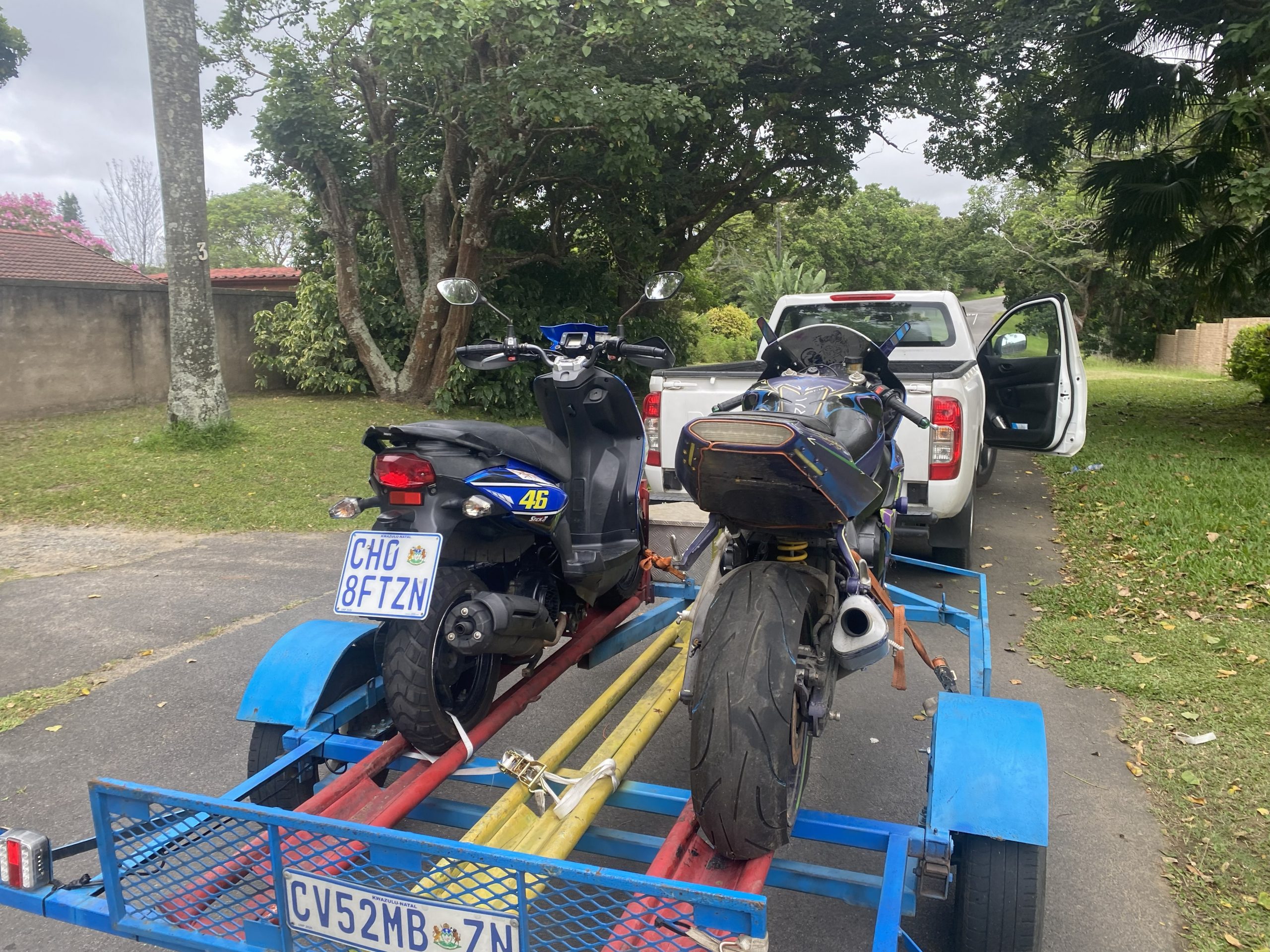
- Open trailers – cheaper but exposed to the elements and debris.
- Enclosed trailers/trucks – offer better protection but cost 10–30% more.
- Shared loads – cost is split but timelines may be less predictable due to multiple stops.
4. Insurance Coverage
- Basic Goods in Transit (GIT) insurance is standard, but coverage can be limited (e.g., capped at R50,000–R100,000).
- Full value, all-risks, or comprehensive cover can be arranged, but usually at extra cost.
- Warning: Not all providers have valid or sufficient insurance – always ask for proof.
5. Accessibility and Special Handling
- Difficult-to-access suburbs, estates, or rural plots often incur delivery surcharges.
- Stairs, narrow spaces, or unpaved roads can require special handling (ramp equipment, extra hands), adding time and cost.
6. Scheduling and Flexibility
- Last-minute bookings, weekend/public holiday collections, or urgent “”direct routes”” attract higher fees and may limit provider availability.
- Flexible collection dates mean you can often join a shared load and save up to 20%.
Typical Price Ranges (2024)
| Route Example | Method (Open/Enclosed) | Typical Cost Range (R) | Transit Time |
|---|---|---|---|
| JHB–CPT (±1,400km) | Open / Shared | R3,000–R5,500 | 4–7 days |
| DBN–JHB (±570km) | Open / Enclosed | R2,000–R3,500 | 2–4 days |
| PE–CPT (±750km) | Open / Enclosed | R2,500–R4,000 | 2–3 days |
These are estimates based on observed 2023–2024 rates; always get a formal quote. Remember, fuel price fluctuations, tolls, and seasonal demand may shift rates.
How Motorcycle Transport Actually Works in South Africa
The actual process involves much more than simply loading up your bike and driving. Here’s a step-by-step breakdown tailored to South African realities:
Step 1: Booking and Coordination
- Compare providers and request quotes with as much detail as possible (make/model, running condition, collection and delivery addresses, preferred timing, insurance needs).
- Check reviews and confirm service terms.
- Book at least 5–10 days in advance for major routes; longer for rural areas or if specific dates are needed.
Step 2: Preparation
- Clean your motorcycle for easier inspection.
- Document existing scratches/damage with photos (with date stamp if possible).
- Remove loose items and accessories. Secure mirrors, detach panniers if necessary.
- Limit fuel to a quarter tank or less per carrier safety guidelines.
Step 3: Documentation and Handover
- Have your ID, NaTIS papers, proof of ownership/sale (especially for dealer-to-private sales or cross-province moves).
- Complete a condition report with the driver. Both parties should sign and retain a copy.
- Request a copy of the carrier’s GIT insurance if not previously provided.
Step 4: Loading and Transit
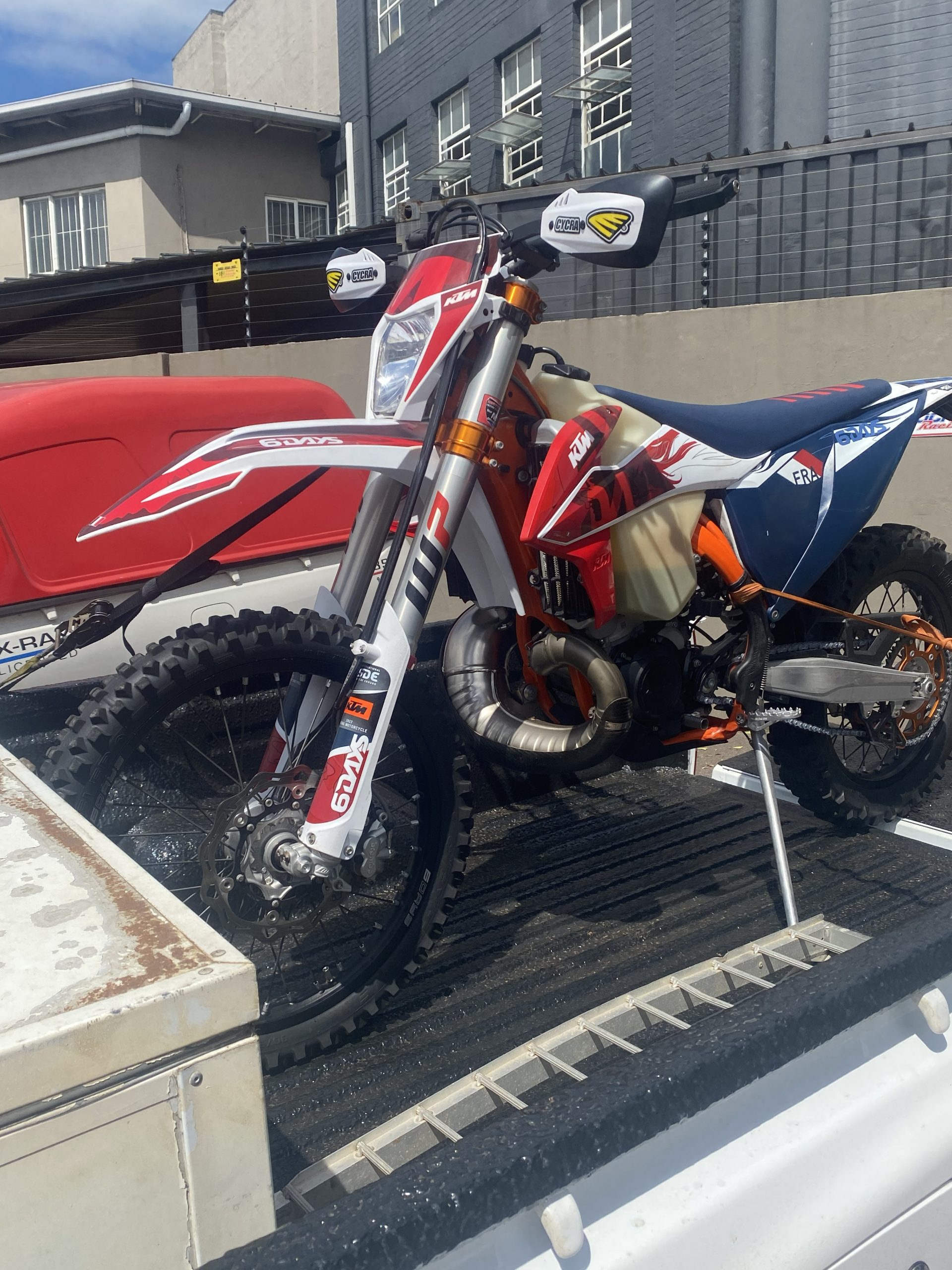
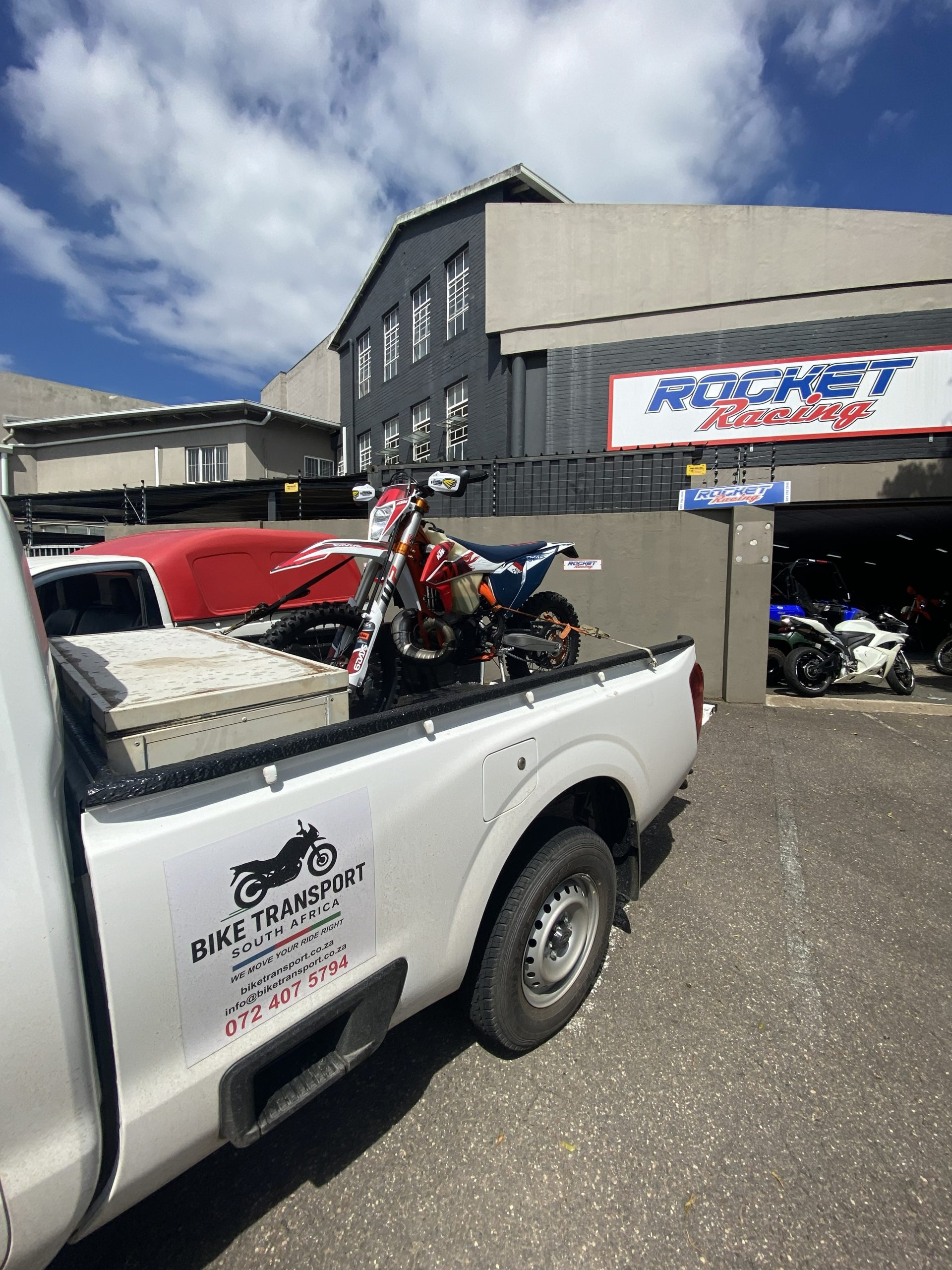
- Check that the transport company uses proper ramps, wheel chocks/straps, and padding, especially for high-value or fragile bikes.
- Shared loads may see delivery windows extended if more stops are needed.
- Monitor progress. Professional carriers provide location updates (WhatsApp or tracking link).
Step 5: Delivery and Final Inspection
- On arrival, inspect your bike carefully (preferably in daylight).
- Note any new marks, damage, or missing items on the delivery report.
- Only sign off once satisfied – this can affect any future claims.
Real-World Case Example: Cape Town to Johannesburg – Adventure Bike
Scenario:
Sipho purchases a 2018 BMW F850GS (R125,000 value) from a dealer in Cape Town. He lives in Midrand, Gauteng, and wants secure, insured delivery.
- Transport Method: Closed trailer as the bike is valuable and weather protection is required.
- Distance: 1,400km
- Preparation: Bike is inspected, original NaTIS papers sent via courier, condition photos shared with the provider.
- Insurance: Dealer’s carrier offers R100,000 GIT. Sipho opts for a top-up to full value for R500 extra.
- Cost: R6,200 (including fuel surcharge, value insurance, and door-to-door delivery).
- Timeline: Pickup on a Monday, delivery by Friday.
- Outcome: Bike arrives safely, minor delivery delay after unexpected roadworks near Bloemfontein, insurer responds promptly to proof requests.
Takeaway: The headline “R5,000” quote turned into R6,200 due to needed insurance, address complexity, and short-notice booking – but the bike was protected and communication was clear throughout.
Risks, Mistakes, and How to Avoid Them
Transporting a bike long-distance can go wrong for several reasons. Here’s what to watch out for – and how to protect yourself:
- Damage in Transit: Poor strapping or weather exposure causes most claims. Always check the company’s handling equipment and insist on proper securement (per Arrive Alive guidance).
- Underinsurance: Many rely on basic GIT that doesn’t cover theft or total loss, or the bike’s full value. Specify exactly what’s covered and get written confirmation.
- Scams or Fly-by-Night Operators: Fake providers may disappear with your deposit or even your bike. Always check credentials, read independent reviews, and never pay full price upfront for an unknown outfit.
- Poor Preparation: Failing to report existing damage, not prepping documentation, or leaving accessories fitted may lead to disputes or loss.
- Missed Expectations: Many delays occur due to vague schedules on shared loads, or rural detours. Ask for a realistic delivery ETA and check on communication standards.
How to Choose a Reliable Motorcycle Transport Provider
Not all transporters are created equal. To safeguard your bike and your wallet:
- Check Verified Reviews: Use local platforms and Google Maps/HelloPeter feedback, not just website testimonials.
- Request Insurance Documents: The provider should give evidence of active GIT or comprehensive cover up front.
- Assess Equipment and Processes: Ask about ramps, strapping, and enclosed vs open transport. Look for well-maintained trailers and references to safety guidelines (e.g., Arrive Alive advice).
- Professional Indicators: Reliable companies provide clear T&Cs, transparent pricing, and are responsive to questions.
- Vehicle Licensing and Accreditation: They should comply with Department of Transport requirements and willingly supply company details.
Cost-Saving Strategies When Shipping a Motorcycle
While saving money is important, never sacrifice essential checks for a “”too good to be true”” deal. Try these safe, ethical approaches:
- Flexible Dates: If you’re able to wait, joining a shared load can reduce costs by 10–20%.
- Choose Depot-to-Depot: Agreeing to collection from and/or delivery to the transporter’s main depot is often cheaper than true door-to-door.
- Bundle Multiple Bikes: Shipping two or more bikes together (for a dealer or a group of buyers/sellers) can unlock per-unit savings.
- Shop Around: Compare multiple quotes and ask open questions about “hidden extras” (insurance, address surcharges, after-hour fees).
- Prep Properly: Remove accessories, share accurate photos, and have all documents ready to avoid holds or re-routing penalties.
Frequently Asked Questions
- Q: How long does it really take to move a motorcycle between main cities?
A: Allow 3–7 days for JHB–CPT or DBN–JHB. Rural or off-route areas may add 1–2 days. - Q: What documents are required at collection?
A: Typically, the owner’s ID, NaTIS (registration) papers, and proof of sale/ownership. - Q: Is my bike insured in transit?
A: Only if the provider’s insurance matches the bike’s value, AND you’ve checked the policy – never assume full coverage! - Q: Can I leave a top box, helmet, or luggage with the bike?
A: It’s risky: most transporters exclude non-permanently attached items, and insurance may not cover “loose” goods. - Q: What if my bike arrives with damage?
A: Note all issues on the delivery sheet before signing and photograph the damage. Report promptly to the carrier and insurance for any claim.
Conclusion & Next Steps: Make Informed Motorcycle Transport Choices
Motorcycle transport in South Africa is never a “”one price fits all”” affair. Distance, bike type, route complexity, insurance, and provider reliability make every quote unique. By scrutinising these variables – and demanding transparency on insurance and hidden extras – you’ll avoid common pitfalls, safeguard your bike, and make every rand count.
Whether you’re a first-time buyer, a busy dealership, or a classic bike fan relocating cross-country, always:
- Compare multiple providers and ask about all inclusions/exclusions.
- Check credentials and insurance before committing.
- Prepare your documentation and motorcycle thoroughly.
- Expect variables in timing and cost; be wary of deals that seem “”too cheap””.
Transporting a motorcycle is a significant investment. Taking a data-driven, safety-first approach ensures peace of mind from departure to final handover. For the latest transport trends or to compare quotes, use an independent, unbiased South African comparison platform and insist on clear, written terms from your chosen provider.
If in doubt, refer to the Department of Transport, the Road Traffic Management Corporation, and Arrive Alive for up-to-date regulatory advice and road safety guidance.