
Motorcycle Transport Costs in South Africa: Complete Pricing Guide 2025
Transporting a motorcycle across South Africa—whether for a sale, relocation, or dealer transfer—requires careful planning and a clear understanding of the real logistics, risks, and costs involved. This guide explains actual transport routes, practical booking processes, typical price estimates (e.g., R1,800–R5,000+ for main routes), insurance, documentation, and how to avoid common pitfalls, helping you make a safe and cost-effective decision in 2025.
Introduction: Why Motorcycle Transport Costs Matter in South Africa
Picture this: You’ve just found your dream Yamaha Tenere 700 for sale on AutoTrader. The bike’s in Cape Town, you’re in Johannesburg, and making a 1,400 km road trip isn’t practical—or safe, given unpredictable weather, crime risk, and time constraints. You need reliable motorcycle transport, but costs and safety weigh heavily on your mind.
For South African buyers, sellers, dealerships, and motorbike enthusiasts, this scenario is increasingly common. Whether purchasing through a dealer, moving between provinces, or securing a rare find from BikeHub, understanding how motorcycle transport works—and what you’ll pay—can make or break your experience.
This pricing guide offers expert, independent insights into:
- What influences motorcycle transport costs in South Africa
- How the process really unfolds for buyers and sellers
- Typical price ranges and what to expect in 2025
- Steps to safeguard your bike and your wallet
- How to make informed, stress-free transport decisions
Understanding Motorcycle Transport in South Africa
Motorcycle transport typically comes into play when direct riding is not practical, safe, or possible. Common real-world scenarios include:
- Online purchases: Private buyers acquiring bikes interstate or cross-country, often from large platforms like AutoTrader, BikeHub, or Facebook Marketplace.
- Dealer transfers: Dealerships relocating stock or delivering new purchases, between JHB, CPT, DBN, PE, and beyond.
- Relocation: Individuals moving home or jobs, including students and expats returning to SA.
- Event or competition transport: Riders sending classic or race bikes to circuit or rally events, sometimes in bulk loads.
With over 1,400 km between Johannesburg and Cape Town, long-distance motorcycle logistics in South Africa are serious business. Even ‘short’ routes, like Durban to Johannesburg (~600 km), present unique challenges: variable road quality (especially on N3, N1, and N2), risk of cargo crime, weather-related disruptions, and fluctuating demand.
Demand typically peaks:
- During peak sale periods (Jan–Mar, Sept–Dec)
- Ahead of national holidays or major biking events
- Before university semester starts and ends
Reliable transport is especially valued for high-value bikes, touring models, and in rural areas with limited carrier options.
Key Factors That Influence Cost, Safety, and Timing
What you pay—and what you get—varies based on several real-world factors:
- Distance and Route Popularity: JHB–CPT, CPT–PE, DBN–JHB are well-serviced, with shared loads reducing per-bike costs. Rural or ‘off-route’ pickups (e.g., Upington, Alice) typically cost more.
- Bike Type and Size: Adventure bikes (BMW GS, Honda Africa Twin), superbikes, and cruisers cost more to move than small scooters or city bikes.
- Transport Method:
- Open Trailer/Flatbed: Cheapest, less secure, weather-exposed.
- Enclosed Van or Box Trailer: More costly, better protection, preferred for high-value bikes.
- Shared (Consolidated) Loads: Transporters group multiple bikes—typically cost-effective and available on main routes.
- Insurance:
- Goods in Transit (GIT): Standard; covers damage or theft up to a set limit (ask for proof).
- Carrier Liability: Sometimes limited; does not always cover high-value losses.
- Comprehensive Transit Cover: Optional top-up, especially for bikes above R150,000.
- Accessibility: Major metro pickups (JHB, CPT, DBN, PE) cost less; isolated farms or townships increase price and transport time.
- Scheduling and Lead Time: Flexible pickup and drop-off reduce cost. Urgent, weekend, or last-minute moves usually add premiums.
- Fuel and Toll Costs: Fluctuate with national fuel prices and route selections (e.g., N1, N3 tolls).
Typical Pricing Ranges (2025)
| Route | Bike Type (Approx.) | Open/Shared (R) | Enclosed (R) | Transit Time (Est.) |
|---|---|---|---|---|
| JHB – CPT (1400 km) | Standard/Adv | R2,200–R3,000 | R3,200–R4,750 | 3–6 days |
| JHB – DBN (600 km) | Standard | R1,800–R2,500 | R2,750–R3,800 | 2–4 days |
| CPT – PE (750 km) | Standard | R2,000–R3,000 | R3,100–R4,100 | 2–4 days |
| Metro <-> Rural | Any | R2,800–R5,500+ | R4,000–R6,000+ | Variable (5–10 days) |
Note: All prices are observer-based, 2025 estimates for single motorcycles, and subject to change with market and fuel fluctuations. Always get itemised quotations before booking.
How Motorcycle Transport Actually Works: Step-by-Step
1. Get Quotes and Compare Providers
Begin by collecting itemised quotes from at least 2–4 transport brokers or platforms—ideally those who compare multiple carriers, not just a single operator. Be clear about:
- Type, make, and dimensions of your bike (e.g., Harley Davidson Street Glide, 360kg)
- Exact collection and delivery addresses (not vague “Johannesburg” or “Cape Town”)
- Preferred dates and time windows for collection/delivery
2. Booking and Preparation
- Confirm booking in writing after reviewing T&Cs and insurance.
- Prepare bike: drain most fuel (leave ~2 litres), ensure tyres are properly inflated, and remove loose accessories/luggage. According to Arrive Alive, secure anything that could move or cause scratches.
- Take detailed photos of bike condition (including odometer and any cosmetic damage).
3. Documentation
- Provide your South African ID or passport (buyer and seller, if a sale).
- NaTIS (RC1) vehicle registration papers and/or proof of ownership.
- Authorisation letter for third-party collections (if not the owner).
4. Handover and Inspection
- Both parties (or their agents) should check the bike using an inspection checklist.
- Document condition, signed by both before and after transport. Take time-stamped photos on collection and delivery.
5. Loading and Securement
Preferred methods for secure transport include:
- Ratchet straps on dedicated anchor points (never handlebars or pegs alone)
- Chocks or wheel holders for front tyre stability
- Soft ties/blankets for high-value or custom parts
For enclosed transport, ensure the carrier uses enclosed box trailers or panel vans, especially for valuable or vintage bikes.
6. Tracking, Communication, and Delivery
- Good operators provide real-time location updates, call/SMS on ETA, and proof-of-delivery notification.
- At delivery, reinspect and sign off; raise any damage or discrepancies immediately, ideally before signing acceptance.
- Payment (if not paid up-front) usually finalises after safe delivery.
Case Study: Real-World Example from 2024/2025
Scenario: High-value bike bought on BikeHub by a private buyer in Durban, seller in Cape Town.
- Motorcycle: KTM 1290 Super Adventure R (R210,000 market value, 240 kg)
- Route: CPT CBD to Umhlanga Ridge, Durban (~1,600 km by road)
- Transport method: Shared enclosed trailer with 3 other bikes
- Documentation: Full NaTIS papers, proof of payment, and signed authorisation form from seller
- Pickup/Delivery timing: 6 days total, including a weekend (delay due to high demand post-bike event in CPT)
- Cost quoted and paid (2024/25): R5,350 (included comprehensive GIT insurance to R350,000, condition report, and SMS tracking)
Outcome: Bike delivered without incident, minor delivery delay (original ETA 4–5 days, actual 6 days). Buyer inspected and signed off, satisfied with carrier communication and care in loading.
Risks, Mistakes, and How to Avoid Them
Motorcycle transport in South Africa, while routine for professionals, carries real risks:
- Damage: Common culprits are improper strapping, overloading, or unsecured items. Always check for professionally maintained, purpose-built trailers, and ask about driver experience.
- Insurance Misunderstandings: Some operators offer only basic carrier liability (sometimes as low as R20,000 per bike). Ensure you see valid insurance certificates and clarify excesses and exclusions.
- Scams or Unreliable Providers: Fake websites, social media scams, and bait-and-switch pricing do exist. Use platforms with real reviews and avoid deals that “sound too good to be true.”
- Poor Documentation: Inadequate paperwork can cause delays, impoundment, or loss disputes. Have copies scanned and shared ahead of transit.
- Expectation Gaps: Don’t assume “next day delivery”—almost no operator guarantees this outside the major metros.
Practical Safeguards:
- Get all promises/quotes in writing, including insurance cover and timeframes
- Insist on a joint inspection and digital photo evidence at collection and delivery
- Never pay full price to untraceable individuals; legitimate carriers have formal invoicing and payment channels
- Check for visible branding, a professional online presence, and valid contact numbers
How to Choose a Reliable Motorcycle Transport Provider
For peace of mind, assess providers by:
- User Reviews: Look for consistent feedback on platforms like Google, HelloPeter, or via dealer recommendations (avoid providers with only social media presence).
- Insurance Confirmation: See a valid GIT insurance certificate. Reputable platforms will gladly provide this, valid for the period of transport and value of your bike.
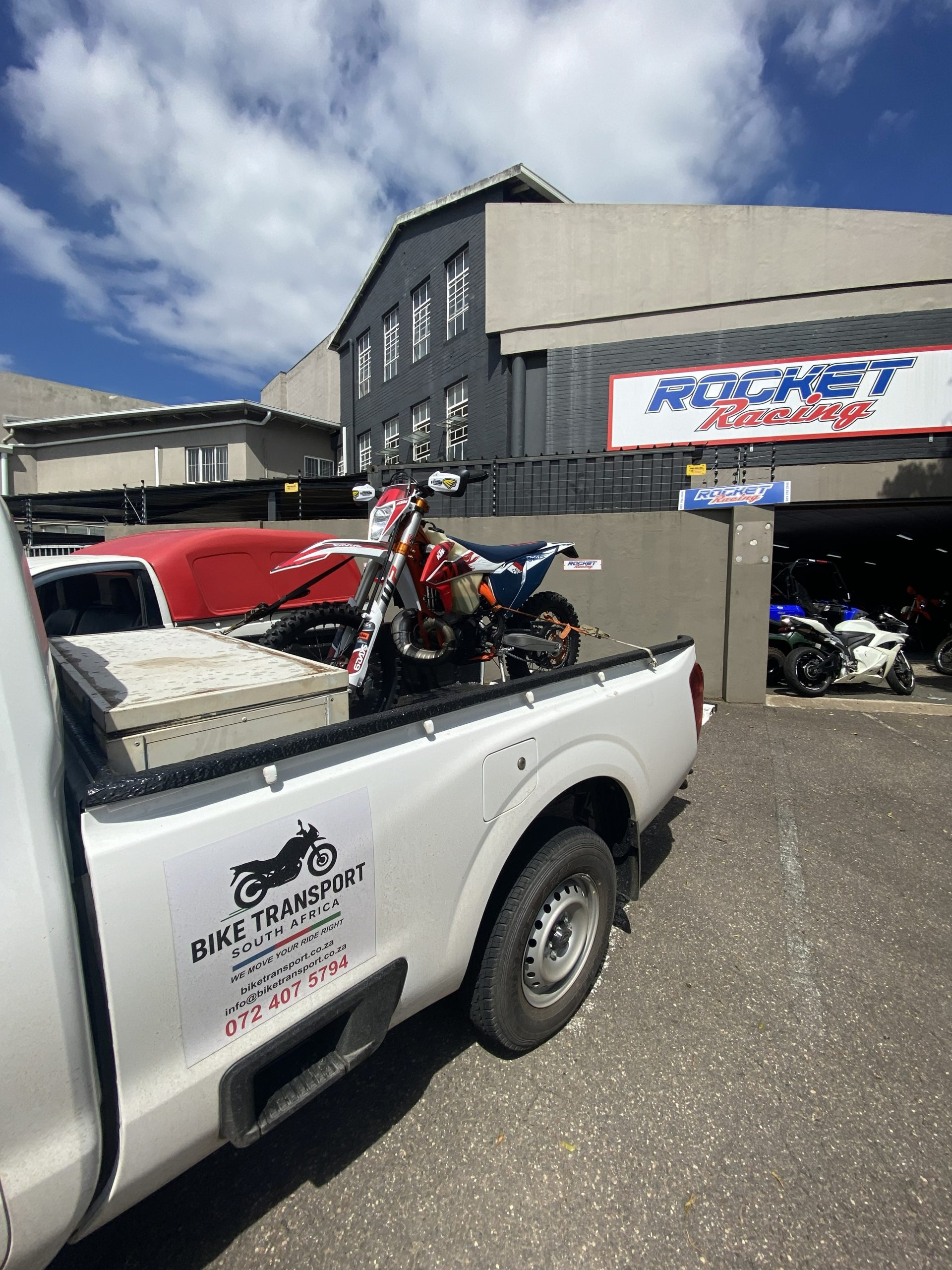
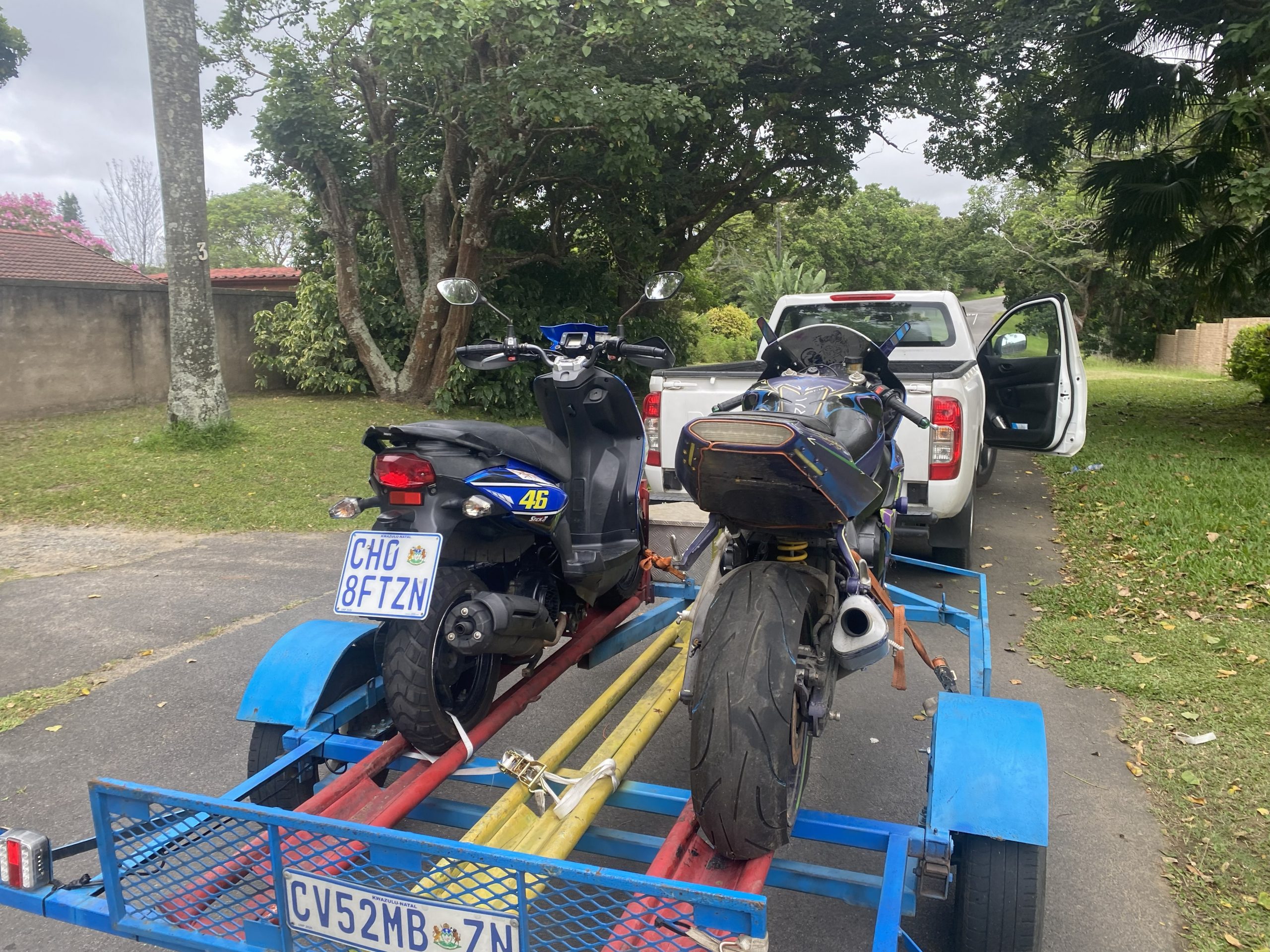
- Equipment Suitability: Request photos of the actual trailer or van, including securement equipment. Dedicated motorcycle carriers are preferable.
- Communication: Responsive, clear communication is a strong indicator of reliability.
- Documentation Compliance: Legitimate providers will explain and facilitate all required paperwork.
- Transparent Terms: All costs, insurance terms, and handover processes should be detailed in advance with no hidden charges upon delivery.
Cost-Saving Strategies
There are ethical, risk-aware ways to save on motorcycle transport—without cutting safety corners:
- Share the Load: Arrange collection/delivery on popular cross-province routes (JHB–CPT, DBN–PE, etc.) or enquire about shared ‘consolidated’ loads, which are usually 10–25% cheaper.
- Be Flexible: Allow for wider pickup or delivery windows—avoiding urgent or weekend-only bookings cuts premium surcharges.
- Use Metro Depots: Dropping at and collecting from a metro depot (rather than door-to-door) can save R500–R1,000 on main routes.
- Prepare Correctly: Remove accessories, lock up and prepare documentation to avoid risk-related surcharges or delays.
- Book Early: Advance bookings (2–3 weeks) are generally cheaper, as last-minute space is both rarer and costlier.
- Pick the Right Transport Type: For low-value or commuter bikes, open transport on busy routes may be perfectly adequate; enclosures are best for high-value or classic bikes.
Avoid using “friend with a trailer” unless they have insurance and motorcycle transport experience—even a short mishap could cost far more than the savings.
Frequently Asked Questions
1. Do I need insurance for motorcycle transport?
Yes, always ensure GIT (Goods in Transit) insurance is in place and covers the market value of your bike. Double-check policy details, especially for high-value, vintage, or custom bikes.
2. How long does delivery usually take?
Major routes (JHB–CPT, DBN–JHB, CPT–PE) usually take 2–6 working days. Off-route or rural deliveries may take up to 10 days, depending on demand and weather.
3. What documents must I provide?
Typically, you’ll need your SA ID or passport, NaTIS/registration papers, and proof of ownership/payment. For dealer or agent collections, an authorisation letter may also be required.
4. Can I ship extra parts/motorcycle gear with my bike?
Sometimes, but always declare any accessories, luggage, or spares. Unsecured items can increase risk and may not be covered by insurance. Check with your provider first.
5. Is enclosed transport really worth the extra cost?
For new, high-value, or classic bikes—or long-haul routes like JHB–CPT—enclosed transport offers superior protection from weather, theft, and road debris. It is usually not necessary for most commuter or lower-value bikes on busy routes.
Conclusion & Next Steps
Motorcycle transport in South Africa is a practical, essential service—especially as more deals move online and cross-province. The right approach balances price, protection, and peace of mind. Remember:
- Get clear, competitive quotes and verify providers independently
- Check route, method, and insurance specifics
- Follow practical prep and documentation steps
- Don’t compromise on safety for a lower price—choose established, reviewed platforms
Use this guide to compare actual quotes, understand your options, and protect your investment. For your next motorcycle move—whether buying, selling, or relocating—being informed is your strongest safeguard.
Disclaimer: All cost and timing indications are guidance based on 2024–2025 observations and can vary by provider, route, bike type, and market conditions. Always confirm up-to-date terms with your selected platform and ask for references or proof of insurance before committing.