
How Much Does It Cost to Transport a Motorcycle in South Africa? (What to Expect & How to Make Smart Choices)
Introduction: Transporting Motorbikes in South Africa—What You Need to Know
Imagine you’ve just bought a rare adventure bike from a seller in Cape Town, but you live in Pretoria. Or perhaps you’re relocating to KwaZulu-Natal and need your daily commuter scooter moved safely. For South African motorcycle buyers, sellers, enthusiasts, and dealerships, transporting bikes safely and cost-effectively is a real concern—whether across provinces or within the same city.
This guide was created for anyone seeking to understand the costs, risks, and logistics of moving motorcycles in South Africa. We share practical knowledge drawn from real local scenarios—so you’ll know what affects pricing, what to expect with timelines and safety, and how to secure your motorbike’s journey with confidence. Whether you’re an individual, a dealer, or an online buyer, this article will help you avoid costly mistakes and choose a safe, reliable transport solution.
Understanding Motorcycle Transport in South Africa
Motorcycle transport services arise when the owner can’t—or doesn’t want to—ride the bike to its destination. Typical scenarios include:
- Online purchases: Buying a bike via AutoTrader, BikeHub, or dealer promotions where the seller or buyer is far away.
- Dealer transfers: Dealerships moving stock between branches in cities like Johannesburg, Cape Town, Durban, Port Elizabeth, Bloemfontein, or Pretoria.
- Relocations: Individuals relocating for work or study, often across provinces.
- Event/Show transport: Bikes moved for shows, charity rides, or race events.
South Africa’s vast distances and variable infrastructure mean most motorcycle transport requests involve routes such as:
- Johannesburg (JHB) – Cape Town (CPT): 1,400km+
- Durban (DBN) – Johannesburg: 600km+
- Port Elizabeth (PE) – Cape Town: 750km
Demand often increases during year-end holidays and when new motorcycle models launch. Rural and peri-urban pickups bring extra logistical challenges and cost factors due to distance from main highways and secure handover points.
Key Factors That Influence Cost, Safety, and Timing
Motorcycle transport in South Africa is influenced by several practical variables:
- Distance & Route: Longer hauls (e.g. JHB–CPT) typically cost more (R2,500–R6,000) than local metro-to-metro transfers (often R1,200–R2,200). Routes along major transport corridors are usually cheaper and faster.
- Bike Size & Weight: Heavier adventure or cruiser bikes command higher rates than lightweight scooters or off-road bikes.
- Transport Method:
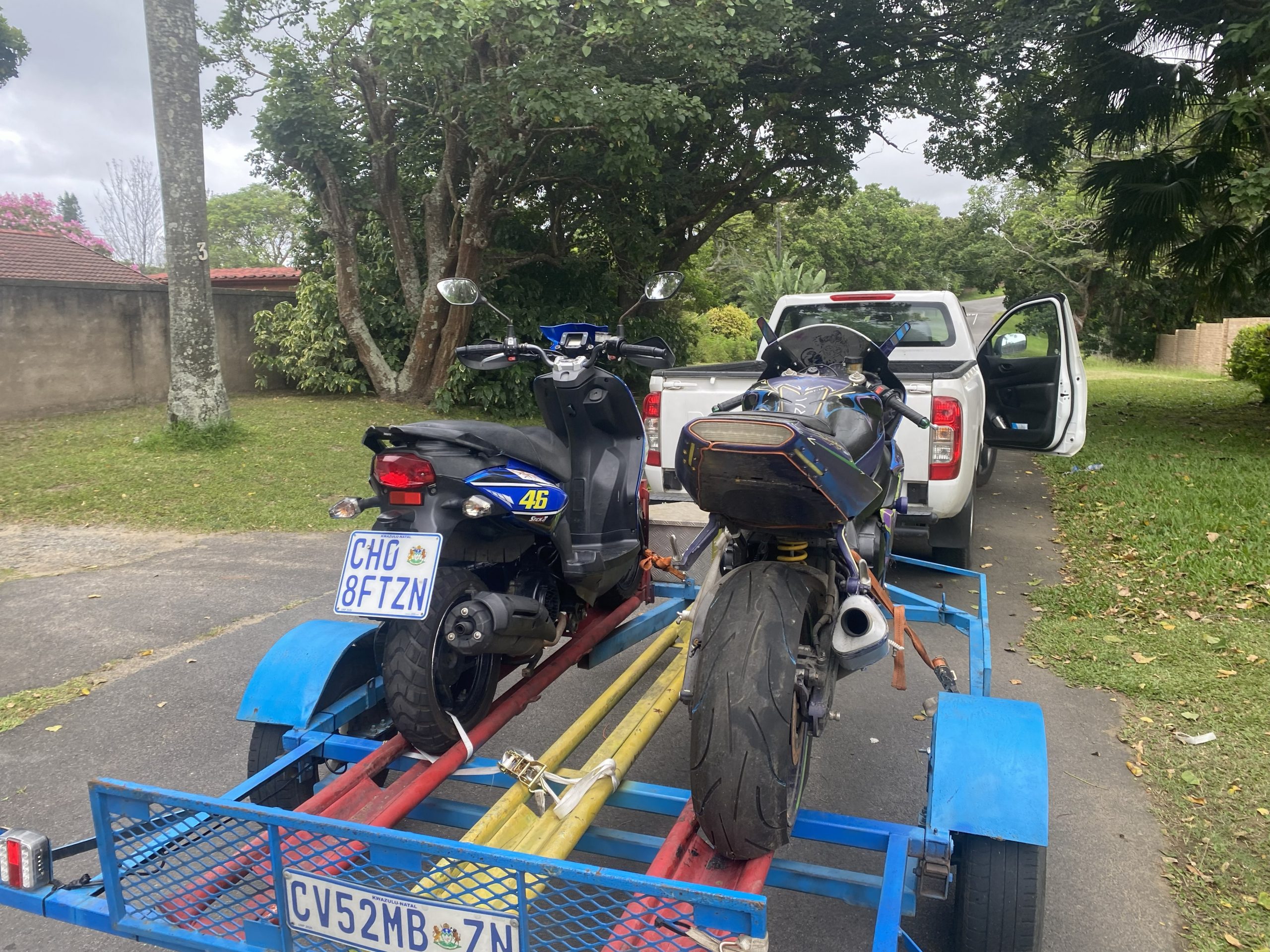
- Open Trailer: Cheapest but open to weather and road debris (more common for short, low-value trips).
- Enclosed Van/Trailer: More expensive, safer from theft and weather—common for valuable or delicate bikes.
- Shared Load: Costs are shared if multiple bikes are shipped together; may take longer due to extra stops.
- Insurance Coverage:
- Carrier Liability Cover: Legally required for transporters—covers some damage/loss but with limits (typically R80,000–R120,000 per load, often with excess clauses).
- Goods-in-Transit (GIT) Insurance: For added protection, especially for high-value bikes. Ask for proof.
- Comprehensive Cover: Some owners top up with private insurance but check policy terms for in-transit clauses.
- Access & Handover Location: Remote or non-standard sites incur extra costs and may delay pickup/delivery.
- Scheduling Flexibility: Flexible handover and delivery dates can lower cost by letting the transporter optimise loads/routes.
| Route Example | Bike Type | Transport Method | Typical Cost (R) | Estimated Timeframe |
|---|---|---|---|---|
| JHB–CPT (1,400km) | Adventure (BMW 1200GS) | Enclosed shared | R3,500–R6,500 | 4–7 days |
| DBN–JHB (600km) | Scooter (125cc) | Open trailer | R1,800–R2,900 | 2–4 days |
| CPT–PE (750km) | Small dual-sport | Enclosed shared | R2,200–R3,700 | 2–5 days |
Important: Pricing depends on load volumes, fuel costs, route efficiency, and time of year. Rainy seasons, holidays, taxi strikes, or roadworks may delay deliveries in areas like the N3 or N1 corridors.
How Motorcycle Transport Actually Works (Step-by-Step Guide)
While every transport provider operates slightly differently, this is what you can realistically expect from booking to delivery in SA:
- Quotation & Booking: Compare options using a trusted motorbike transport comparison platform. Provide details: make/model, running condition, pickup/drop-off suburbs, required timeframe, and special instructions.
- Preparation: Remove personal items, loose accessories, and alarms if possible. Note fuel level (usually less than ¼ tank advised). Photograph bike condition—close-ups of panels, wheels, handlebars, and known imperfections.
- Documentation: You’ll need ID, proof of ownership or police clearance (especially for high-value or imported bikes), NaTIS certificate, and signed collection/delivery forms. Dealers may handle paperwork for showroom stock.
- Inspection on Collection: Both parties check and sign a condition report. Reputable transporters insist on this.
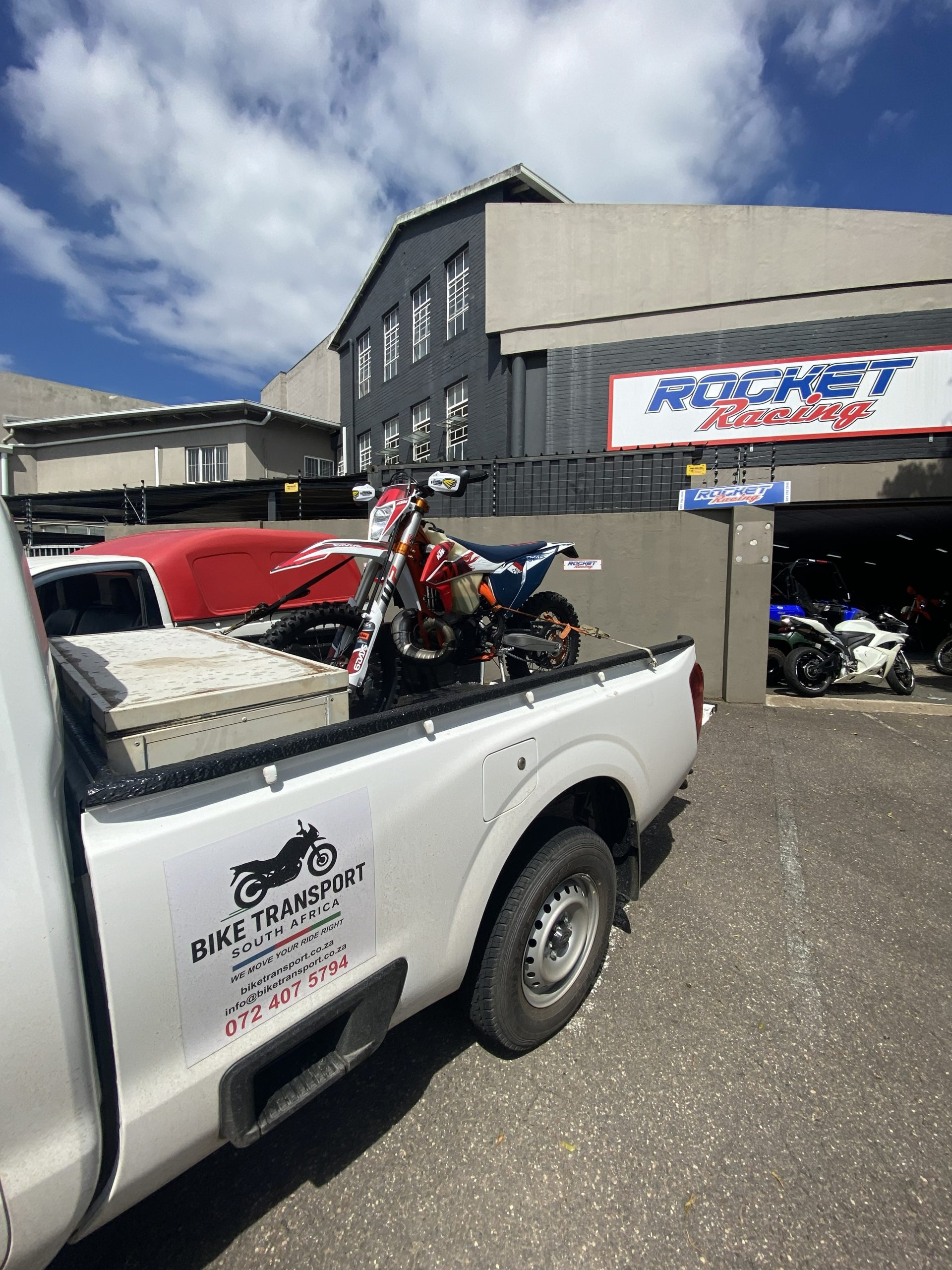
- Securing the Bike: Proper use of tie-downs, front wheel chocks, and soft straps to avoid scratches. Some enclosed carriers use custom cradles for maximum security.
- In-Transit Monitoring: Ask about live tracking or periodic updates. Most providers offer WhatsApp, email, or phone check-ins—some with driver location sharing.
- Delivery & Handover: Recipient inspects bike, compares its condition to original report, signs delivery if satisfied. Report damage immediately; photograph and document on the spot to facilitate any insurance claim.
Expect booking lead times of 2–7 days for major cities, longer for rural or infrequent routes. Last-minute/urgent transports cost extra and may be harder to arrange.
Real-World Example: Long-Distance Motorcycle Transport Case Study
Scenario: Gareth, a Cape Town-based rider, buys a 2018 Honda Africa Twin CRF1000 from a private seller in Sandton, Johannesburg (distance: 1,400km). The bike is valued at R145,000. Gareth works full-time and wants a safe, insured transfer to Cape Town.
- Transport Quote: R5,500, including GIT insurance up to R100,000, via enclosed shared trailer.
- Workflow:
- Online booking; both parties supplied IDs and ownership proof.
- Bikes were collected from a secure dealership yard in Sandton (extra fee for after-hours collection avoided).
- Condition checked; photos taken on both ends.
- Bike delivered 6 days later to a Cape Town business address (cheaper than residential handover).
- No damage; buyer’s private insurer accepted the covered in-transit handover documents for warranty purposes.
- Outcome: Smooth transaction, with peace of mind from insurance and tracked updates. Cost aligned with market average for a premium, protected service.
Risks, Mistakes, and How to Avoid Them
The biggest hazards in SA motorcycle transport are avoidable with the right precautions:
- Hidden Costs: Clarify if quotes include insurance, VAT, tolls, or after-hours handovers. Ask for itemised prices.
- Under-insurance: Don’t assume your bike’s value is fully covered by the delivery provider; confirm and request proof of GIT policy, especially for high-end models.
- Damage or Loss: Open trailers expose bikes to stone chips, weather, and theft. Insist on enclosed options for long hauls or expensive units.
- Fraudulent Operators: Beware of fly-by-night “bakkie” services advertising on social media without verified reviews or insurance. Verify company registration and check for references on platforms like Arrive Alive or community groups.
- Poor Preparation: Loose accessories, full tanks, and missing paperwork can delay pickup and risk damage or insurance nullification.
- Unclear Condition Reporting: Always use written and photographic records to prevent disputes over scratches or dings.
Tip: Document every step—collection, transit, and delivery. Request a copy of all signed handover and condition forms.
How to Choose a Reliable Motorcycle Transport Provider
Picking a safe, trustworthy transporter is essential for your bike and peace of mind. Check the following before agreeing to any service:
- Company Reputation: Read reviews on platforms like HelloPeter, Google, or relevant Facebook groups. Look for consistent positive feedback and references to resolved issues.
- Proof of Insurance: Ask for up-to-date GIT coverage and cross-check that your bike will be fully protected during the journey.
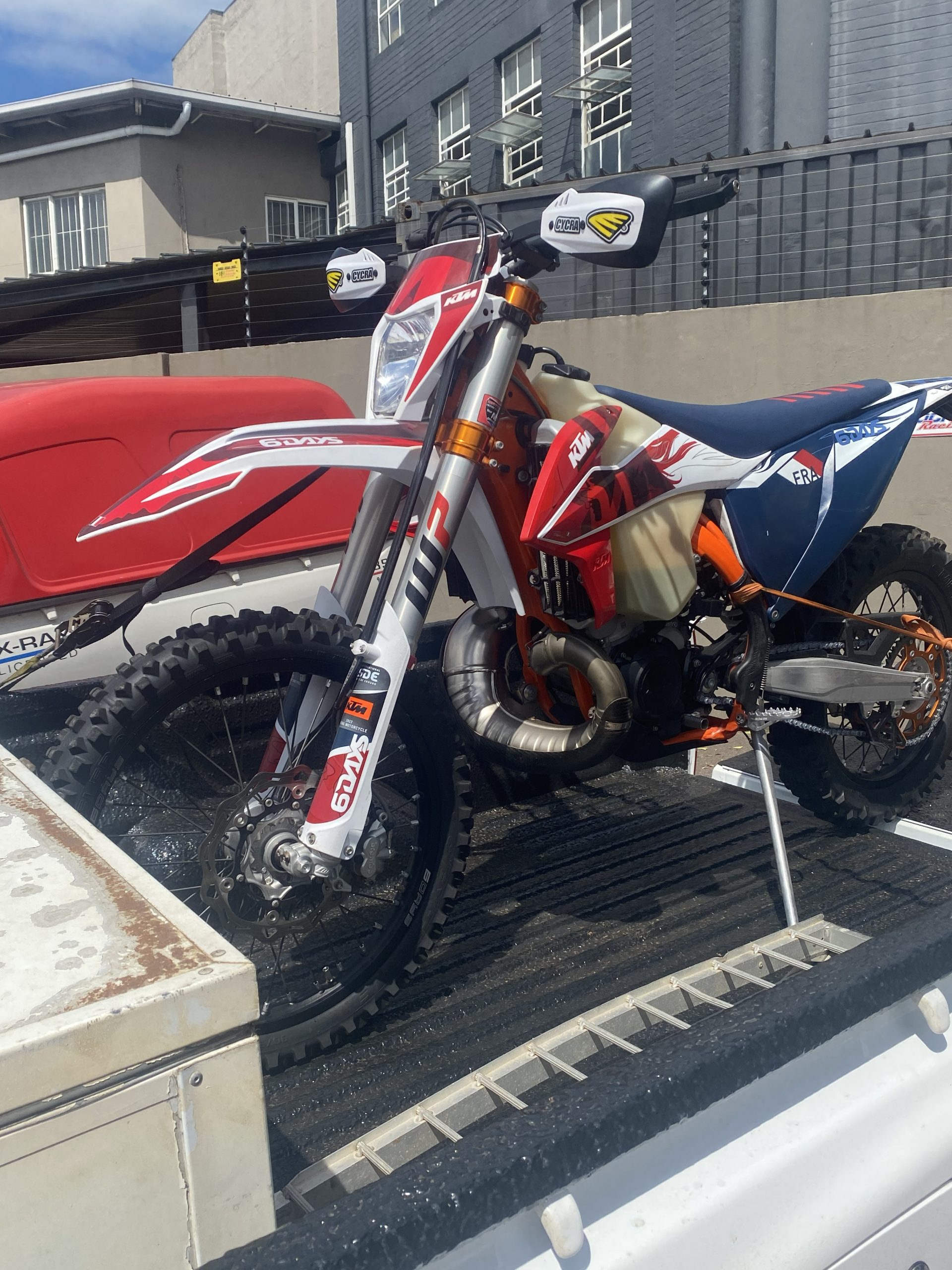
- Professional Equipment: Make sure they use proper bike trailers, not just flatbed bakkies or non-specialist movers. Ask for photos of their setup or view them on pickup.
- Communication Quality: Do they respond promptly and clearly, provide tracking or updates, and explain the process transparently?
- Registration and Affiliations: Are they registered with the CIPC? Any links with dealer networks or recognised motorcycle organisations (like SAMRA or Arrive Alive listings)?
Caution: Cheapest is rarely safest. Prioritise safety, transparency, and communication over minor savings.
Cost-Saving Strategies for South African Bike Owners
If you want to keep transport costs down—without sacrificing safety or reliability—consider these approaches:
- Flexible Dates: Allowing window periods for pickup/delivery lets carriers fill loads, which can result in reduced rates.
- Use Shared Loads: Shipping several bikes together splits costs, especially to high-demand cities.
- Depot-to-Depot: Collecting or dropping off at a central location (like a dealer or freight depot) can be cheaper than residential delivery.
- Plan in Advance: Last-minute or urgent requests cost more. Book at least one week ahead where possible.
- Check Existing Networks: Some dealerships or clubs have preferred provider discounts for members—ask before booking privately.
- Compare Multiple Quotes: Use a motorcycle transport comparison platform to transparently weigh options and avoid inflated “spot” rates.
Never bypass proper insurance or securement to save money—you could lose far more in the event of an accident or theft.
Frequently Asked Questions About Motorcycle Transport in South Africa
How much does it really cost to move a motorcycle between major SA cities?
Expect R1,800–R6,000 depending on route, bike size, and whether you choose open or enclosed transport. Less for scooters/city runs, more for heavy or high-value bikes and cross-country routes.
Is insurance included with transport services?
Reputable transporters include basic carrier liability, but check for Goods-in-Transit (GIT) cover for full protection. Always get proof of coverage for your specific move.
What paperwork must I provide for secure bike transport?
Common documents: proof of ID, NaTIS (registration) title, proof of ownership, and signed handover/condition reports. Sellers and buyers should agree in advance to avoid delays.
Can I transport a non-running or accident-damaged bike?
Yes, but flag this upfront—recovery or loading gear may add to cost. Be precise about handling requirements to avoid extra charges or unsuitable equipment.
How do I avoid scams or unreliable operators?
Check company registration, read third-party reviews, demand insurance proof, avoid cash-only payments, and don’t work with informal “bakkie” operators unless you have strong references.
How long does it take to ship a bike cross-country?
JHB–CPT or similar long routes take about 4–7 days on shared loads; shorter trips (e.g., JHB–DBN) might be 2–4 days. Add time for rural or out-of-area pickups.
Conclusion & Next Steps: Make Your Motorcycle’s Move a Safe, Smart One
South African motorcycle owners have robust options for moving bikes—whether for purchases, sales, or relocations—but prices and service levels vary by route, provider, and circumstances. Understanding what goes into cost (distance, bike size, insurance), insisting on reliable, insured service providers, and documenting thoroughly at each step will protect your interests and your motorcycle.
Want the best balance of safety, speed, and value? Use an independent motorbike transport comparison platform to weigh up real quotes, check ratings, and choose providers who meet your requirements. Always inquire about insurance, documentation, and proven safety records before committing. By following the principles in this guide, you can move your motorcycle confidently—no matter the distance or destination.
Still unsure? Compare your options, ask for references, and never accept vague promises when your prized bike is on the line.
“