
Rural & Remote Area Motorcycle Transport in SA: Protecting Your Bike, Your Budget, and Your Peace of Mind
- Transporting motorcycles in rural and remote South African areas is complex—routes, costs, risks, and provider quality all vary widely.
- This guide explains the process, common challenges, safety considerations, and practical ways to save costs and avoid pitfalls.
- Whether you’re a bike owner, buyer, or dealer, understanding your options and obligations helps protect your investment and make smarter transport decisions.
Introduction
Picture this: you’ve just bought the dual-sport motorcycle you’ve been eyeing on BikeHub, but it’s sitting in a small Mpumalanga village, hundreds of kilometres from your home in Durban. Or perhaps, as a dealer, you’ve sold a rare classic to a collector in the Northern Cape. How do you get that bike across provinces—safely, affordably, and with minimal headache?
Motorcycle transport in South Africa isn’t just a “big city” concern. For many riders, buyers, sellers, and dealerships, it’s the rural and remote journeys that test nerves (and wallets) the most. Sparse infrastructure, long distances, and unpredictable weather are part of the reality when moving bikes outside the metros.
This authoritative guide is for anyone needing to move motorcycles across South Africa’s vast and varied landscape. Learn how rural and remote area transport differs from city-to-city moves, what you need to make informed choices, and which traps to avoid on the road (and off it).
Understanding Motorcycle Transport in South Africa
Motorcycle transport needs arise in all sorts of circumstances—especially in a country where buyers and sellers are often far apart. Some common use cases include:
- Buying or selling a bike online through platforms like AutoTrader, BikeHub, or Facebook Marketplace
- Moving bikes between dealerships (e.g., JHB to Nelspruit)
- Relocating for work, university, or lifestyle—such as Cape Town to rural Eastern Cape
- Transferring rare, collectible, or adventure bikes for events or rallies
Rural and remote routes often mean tackling:
- Major cross-province journeys (e.g., Durban to Springbok, or Joburg to Vryburg)
- Gravel roads, potholes, and challenging weather patterns
- Limited loading and offloading facilities at either end
Unlike the busy corridors between Johannesburg, Cape Town and Durban—where dedicated routes and regular trips keep costs down—rural transport is influenced by long detours, unpaved access roads, and sparse pickup points.
Key Factors That Influence Cost, Safety, and Timing
When arranging motorcycle transport far from the big cities, several factors play a big role in determining cost, safety, and delivery times:
- Distance and route popularity: Longer, less-frequented rural routes (e.g., Upington to Kokstad) cost more due to detours and low demand. A 1,000 km metro-to-rural load can cost R2,500–R6,000, versus R1,200–R2,500 for busy metro corridors.
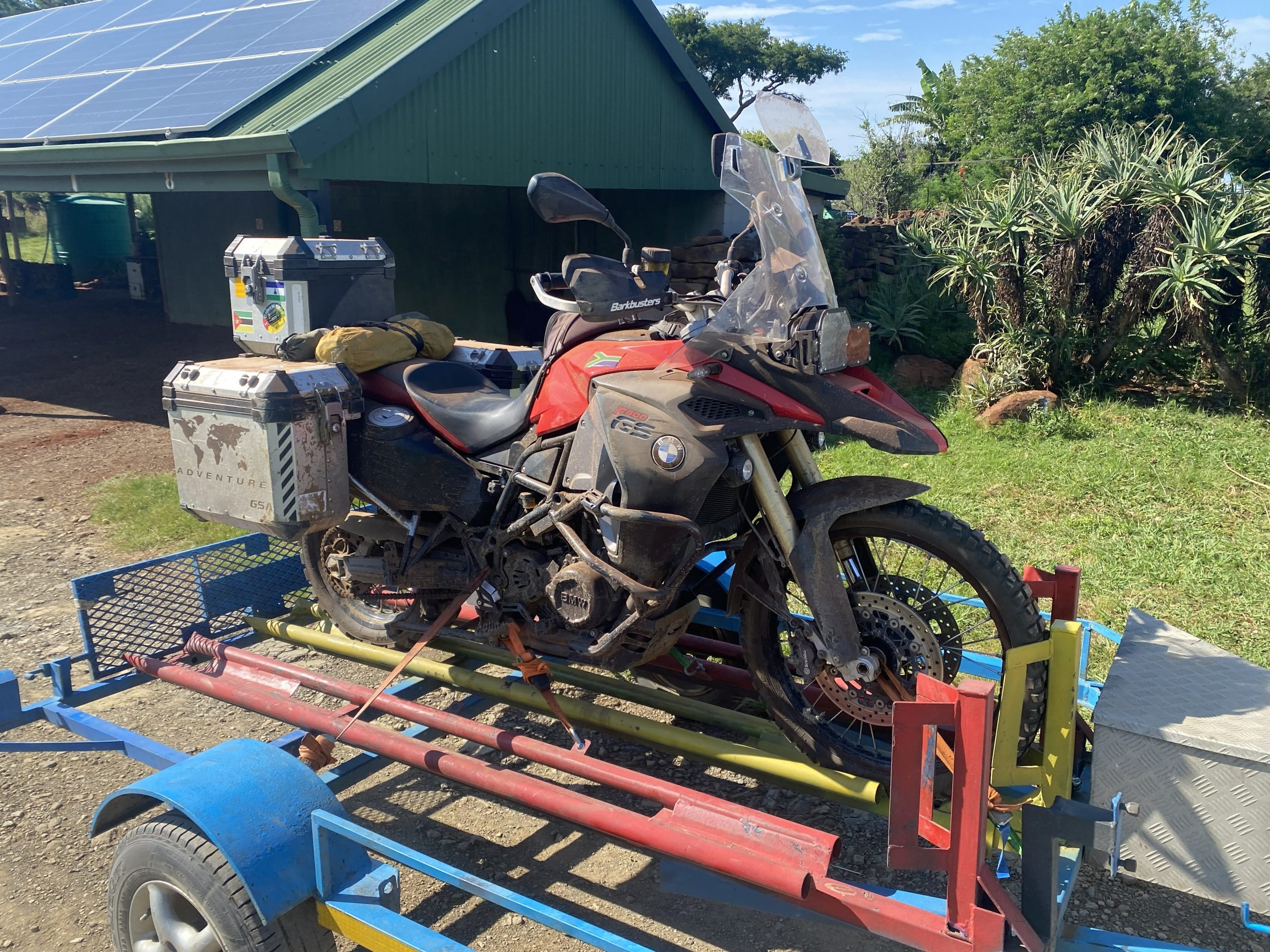
- Bike size and value: Larger or more valuable bikes (e.g., BMW GS Adventure) may require special handling or insurance, raising costs.
- Transport methods: Options range from open trailers (cheaper, less secure) to enclosed trucks (better protection, more expensive), and sometimes shared loads to distribute costs.
- Insurance coverage: Goods-in-Transit (GIT) or specific bike insurance is crucial, especially in areas with higher theft risk—check with your insurer or ask for provider proof.
- Accessibility of pickup/drop-off locations: Remote or farm addresses can add surcharges or require trucks/trailers capable of handling rough ground.
- Scheduling flexibility: Aligning with existing trips saves money, but may mean longer waits. Bookings with tight timeframes or for less popular destinations typically cost more.
Some real-world price examples for rural/remote motorcycle transport (as of 2024, subject to change):
| Route | Distance | Transport Type | Price Range (R) | Timing Estimate |
|---|---|---|---|---|
| Johannesburg – Upington | ~780 km | Open/Shared | 2,500 – 4,500 | 3–7 days |
| Cape Town – Queenstown | ~1,000 km | Enclosed | 4,000 – 6,000 | 4–10 days |
| Durban – Limpopo countryside | ~700 km | Open/Enclosed | 2,800 – 5,500 | 4–8 days |
Caveat: Prices are indicative, vary based on load type, urgency, and individual pickup/drop-off complexity. Get a written quote—never assume a “one price fits all” for remote moves.
How Motorcycle Transport Actually Works (Step-by-Step)
Understanding the process can help you set realistic expectations and avoid common mistakes. Here’s how most rural motorcycle transport jobs unfold in practice:
1. Booking and Quoting
- Compare transport platforms or get direct quotes from verified carriers
- Provide accurate details of the bike (make, model, year, running/non-running), pickup/drop-off addresses (GPS or nearest town works best in remote areas)
- Negotiate schedule, transport type (open/enclosed), and get confirmation in writing
2. Preparation and Documentation
- Remove loose items, alarms, panniers if possible for safety
- Document the bike’s current condition with photos (scratches, damage, accessories)
- Prepare documents: proof of ownership, ID, NaTIS, payment proof (especially for first-time buyers/sellers—see Arrive Alive for roadworthiness)
3. Inspection and Handover
- Walk through a condition inspection with the carrier; sign a mutual checklist (“before” photos are best practice)
- If remote, arrange for a trusted third party to witness handover (local shop, post office, farm manager, police station can sometimes assist)
- Exchange emergency contact info between sender, receiver, and driver
4. Transit and Monitoring
- Carrier loads and secures the bike (look for tie-downs, wheel clamps, soft straps)
- Good providers will offer updates or tracking (SMS, WhatsApp, or platform notifications)
- Delays from weather, farm gate closures, and roadworks are common—maintain open comms
5. Delivery and Final Handover
- Receiver inspects the bike, compares with original condition notes
- Report any discrepancies immediately—document with photos, inform insurer if needed
- Sign for release only when satisfied (never sign a “clean receipt” if there’s damage/fault)
Real-World Example: Rural Bike Transport in Action
Scenario:
- A private buyer in Port Shepstone, KZN, purchases a 2018 Honda CRF250L off BikeHub from a seller in Middelburg, Eastern Cape.
- Distance: Roughly 620 km, with about 90 km on rural gravel roads at each end.
- Transport arranged via a reputable comparison platform, prioritising a carrier with experience in rural drop-offs.
- Quote received: R3,300 for a shared open trailer, including Goods-in-Transit insurance up to R75,000.
- Timeline: 1 week from booking to delivery (scheduled around a group load travelling from PE to Durban, diverting for the rural delivery).
- Outcome: Bike arrived undamaged, with minor mud splatter (expected from gravel route). Both buyer and seller coordinated handover at a local truck stop for convenience and security. Extra delay due to roadworks added a day to the schedule.
Key Lessons: Shared loads keep costs down, but rural legs are slower. Local coordination and open communication with the carrier matters most in remote areas.
Risks, Mistakes, and How to Avoid Them
Rural and remote deliveries can amplify many transport risks:
- Damage during loading or transit: Inexperienced carriers may not secure bikes properly, especially on rough or unpaved roads. Request photos of loading, and ask about tie-down methods. Wheel chocks and soft straps are best practice.
- Insurance misunderstandings: Not all “GIT” (Goods-in-Transit) insurance covers your bike’s full value. Ask for a copy of the provider’s policy in writing. Carrier liability has legal limits (SAIA, insurance guidelines).
- Scams or unreliable operators: Vet each provider—never pay the full amount upfront, avoid deals that seem “too good to be true,” and check recent reviews (Facebook groups, HelloPeter, Google).
- Poor preparation: Don’t leave spares, keys, paperwork, or accessories attached to the bike; these are easily lost in transit.
- Misaligned expectations: Remote deliveries may take longer due to weather, farm access, or security risks. Discuss possible delays openly before agreeing to a timeline.
Tip: If unsure about a provider’s legitimacy, request a copy of their vehicle registration, insurance certificate, and a reference from a recent rural delivery client.
How to Choose a Reliable Transport Provider
Transporting your motorcycle into or out of rural South Africa? Protect yourself with a systematic vetting approach:
- Reviews and reputation: Search major review platforms and forums (BikeHub, HelloPeter, Facebook groups).
- Insurance proof: Ask for up-to-date Goods-in-Transit insurance certificates, and confirm what is covered (theft, fire, collision, and total value).
- Equipment suitability: Request photos of their trailers or trucks. Look for bikes upright, individually secured, and protected from mud and rocks.
- Communication quality: Reliable providers respond clearly, commit to updates, and offer written paperwork (not just WhatsApp voice notes).
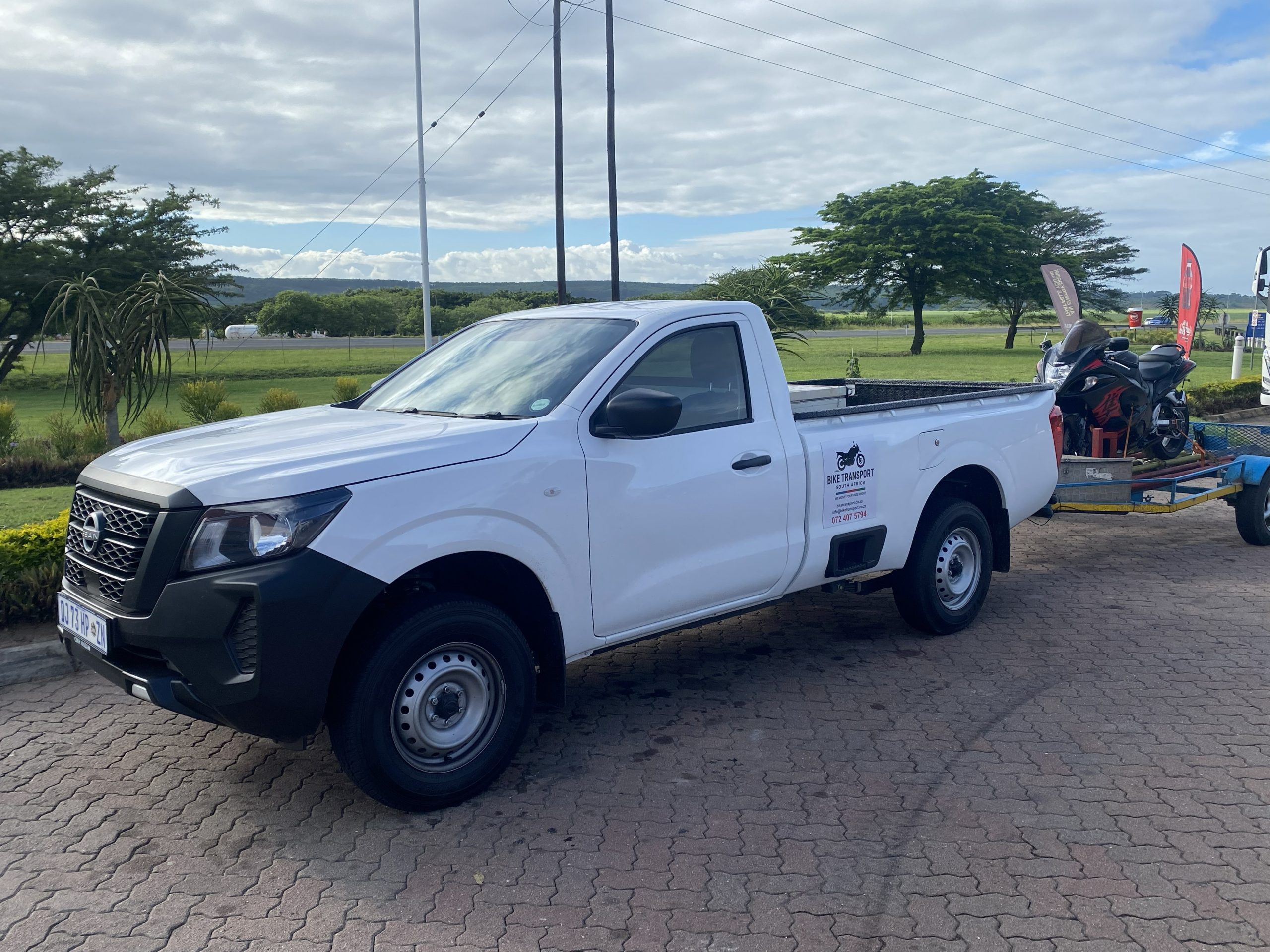
- Professional indicators: Registration with transport councils (Department of Transport, RTMC), well-branded vehicles/uniforms, and signwritten receipts signal legitimacy.
Remember: The cheapest quote isn’t always the safest or most reliable—especially for valuable or sentimental bikes.
Cost-Saving Strategies
- Opt for a shared load: Group your move with other bike deliveries on the same route for split costs. Flexibility is key!
- Flexible scheduling: If timing isn’t urgent, carriers can align your job with existing rural trips, reducing “empty leg” charges.
- Meet at a central, accessible location: Arrange pickups or drop-offs at a nearby town, dealership, or fuel station—often cheaper than full door-to-door for remote addresses.
- Prepare the bike yourself: Remove loose items, flat-pack accessories, and ensure tyres are pumped. This speeds loading and reduces accidental damage fees.
- Check for transport comparison platforms: Use independent platforms to get several quotes, reducing overpayment and flagging suspiciously low “rogue” operators.
Caution: Avoid “cash only” deals or offers without paperwork—even if they promise savings. Proper documentation, proof of delivery, and valid insurance might cost a bit more, but protects your investment.
Frequently Asked Questions
How long does rural motorcycle transport actually take in South Africa?
Expect anywhere from 3 to 12 days, depending on the remoteness of the pick-up and drop-off, transport method, and route weather conditions. Allow extra time for shared loads or rough rural roads.
What documents are required for legal motorcycle transport between provinces?
You will typically need a certified copy of your ID, proof of ownership (NaTIS or change of ownership form), and sometimes a sales invoice or payment proof if buying/selling. Check against Department of Transport requirements for your specific case.
Are motorcycles insured in transit by default?
No. Ask for written proof of GIT or carrier insurance, verify the limit matches your bike’s value, and clarify the claims process. Some carriers offer only minimal coverage—top up if needed, especially with high-value or classic motorcycles.
How do I prevent damage or theft during rural transport?
Choose experienced, reputable operators, inspect loading/securement, remove valuables, and always photograph your bike before handover. Delivery at public or supervised venues (dealerships, police stations) adds a layer of safety in remote areas prone to crime.
Can I transport a non-running motorcycle from a rural location?
Yes, but mention this upfront—special equipment like ramps or winches may be needed, and some providers may charge extra or require help at pickup/delivery due to limited manpower in remote towns.
Conclusion & Next Steps
Rural and remote area motorcycle transport in South Africa is a bigger challenge than a city-to-city move—but with good planning, the right questions, and informed provider selection, it can be smooth and safe. Recognise the unique demands of rural logistics: distance, road quality, and limited local support require experienced hands.
Take time to compare providers based on real reviews, insurance policies, price transparency, and communication standards. Protect your investment by preparing your bike, double-checking paperwork, and refusing to cut corners where safety and security are concerned.
Ready to move your motorcycle from Mthatha to Musina—or need guidance on your next rural relocation? An independent comparison and coordination platform can help you access multiple quotes, check operator credentials, and keep your interests front and centre. Plan ahead, act smart, and ride safe—no matter how remote your journey.
Disclaimer: All costs, timelines, and recommendations here are intended as guidance only—individual scenarios, insurance terms, and logistics can vary. Always verify the latest information with your chosen provider, insurer, and local authorities before booking.