
Motorcycle Transport Routes in South Africa: Coverage Guide
- This guide explains how motorcycle transport works across South Africa, including popular routes, costs, safety tips, and practical case examples.
- Learn what influences transport pricing, common risks, and how to select a reliable, secure provider—whether you’re buying, selling, relocating, or moving your bike for any reason.
- Advice included on documents, insurance, and key steps for a smooth, safe handover.
Introduction: Moving Motorbikes in South Africa
Buying a motorcycle through AutoTrader, selling a bike via BikeHub, or relocating across provinces—these are increasingly common realities for South Africans. However, transporting motorcycles safely and affordably from point A to B presents practical challenges, with routes stretching from Johannesburg (JHB) to Cape Town (CPT), Durban (DBN) to JHB, Port Elizabeth (PE) to CPT, and into smaller towns.
Risks like damage, theft, unclear insurance, and last-minute handover hitches can all impact owners. This guide is for motorcycle owners, buyers, sellers, dealers, and enthusiasts who want unbiased, South Africa-specific information on how to move bikes across the country—what to expect, how to minimise risks and costs, and how to choose reliable transport providers.
If you’re looking for clarity on realistic costs, processes, required documents, and route information, read on for a practical, experience-driven breakdown of the South African motorcycle transport landscape.
Understanding Motorcycle Transport in South Africa
Transporting motorcycles in South Africa is often necessary in several scenarios:
- Buying or selling a bike online, especially via platforms like AutoTrader, BikeHub, Gumtree, or Facebook Marketplace.
- Long-distance dealer transfers when stock isn’t available locally.
- Moving cities or provinces for work or family, and needing safe relocation of your bike.
- Sending bikes to or from events, rallies, or track days where riding the long distance isn’t practical.
- Breakdown recovery or insurance claims requiring nationwide delivery.
Given South Africa’s distances (e.g. nearly 1,400km from JHB–CPT or around 600km from DBN–JHB), transporting motorcycles is a specialised logistics challenge. Unlike cars which can be driven, most bikes are loaded as non-runners for shipping, requiring proper handling and care.
Demand naturally peaks around major coastal and inland cities (Gauteng, Western Cape, KwaZulu-Natal, Eastern Cape), but there is growing need for rural and cross-province routes—each with unique logistical, road, and security considerations.
Key Factors That Influence Cost, Safety, and Timing
1. Route Distance and Popularity
- High-traffic corridors (e.g. JHB–CPT, JHB–DBN) usually have regular trips and lower average cost per bike due to load sharing.
- Remote or less frequent routes (e.g. Bloemfontein to Polokwane, or smaller towns in the Northern Cape) may cost significantly more per kilometre.
2. Bike Size, Weight, and Value
- Larger, heavier, or high-value bikes (e.g. adventure bikes, cruisers) often incur extra handling fees, or require enclosed transport.
3. Method of Transport
- Open Trailers: Cheaper, but exposed to weather/debris.
- Enclosed Trailers/Trucks: Higher protection against weather, theft, and accidental damage — typical for premium or collector bikes.
- Shared Loads: Several bikes are transported together, reducing cost but potentially increasing handling risk.
4. Insurance Coverage and Liability
- Standard Goods-In-Transit (GIT) insurance limits may not cover full market value on high-end bikes. Clarify the maximum cover and excess.
- Extra comprehensive or carrier liability insurance may be available at an additional cost—always check documentation.
5. Accessibility of Collection/Delivery Points
- Difficult access or remote handover points (complexes, farms, informal settlements) can add time or surcharges for extra travel or risk.
- Secure, metro-based dealer handovers are typically smoother and faster.
6. Scheduling and Lead Times
- Most providers operate weekly or bi-weekly trips along main corridors; rural or “once-off” routes may require extra lead time (up to 2–3 weeks).
- Delays due to weather (storms, flooding), crime hotspots, or major road closures are possible—especially during the rainy season or holiday periods.
Typical Price Ranges (As at 2024):
- JHB–CPT: R2,200–R4,200 per bike (open) / R3,500–R6,000 (enclosed/high-value)
- DBN–JHB: R1,500–R2,800 (open) / R2,600–R4,200 (enclosed)
- PE–CPT: R1,800–R3,500 (open) / R2,900–R4,800 (enclosed or large bikes)
- Rural or inter-township routes: R3,000–R6,500+ depending on distance and accessibility
All estimates are indicative; actual prices depend on current fuel rates, demand, bike specifics, and provider terms. Always confirm final quotes before booking.
How Motorcycle Transport Actually Works (Step-by-Step)
1. Requesting and Confirming a Booking
- Submit details online or via phone: bike make/model, running status, dimensions, pick-up/drop-off addresses, preferred dates, and documentation.
- Receive a quote with service terms and insurance options.
- Confirm the booking, including agreed dates, costs, and collection points.
2. Preparing for Pickup
- Drain or reduce fuel to less than quarter tank.
- Remove loose accessories and secure valuables or documentation separately.
- Photograph the bike from all angles for condition reporting.
- Gather necessary documentation:
- Copy of owner’s ID or driver’s licence
- Proof of ownership or NaTIS (Registration) papers
- Letter of authority if bike is being shipped on someone else’s behalf
3. Handover and Inspection
- Complete a joint inspection with the driver/provider, noting any pre-existing damage and signing a condition report.
- Obtain a copy of the waybill or transport note.
4. Secure Loading and Transit
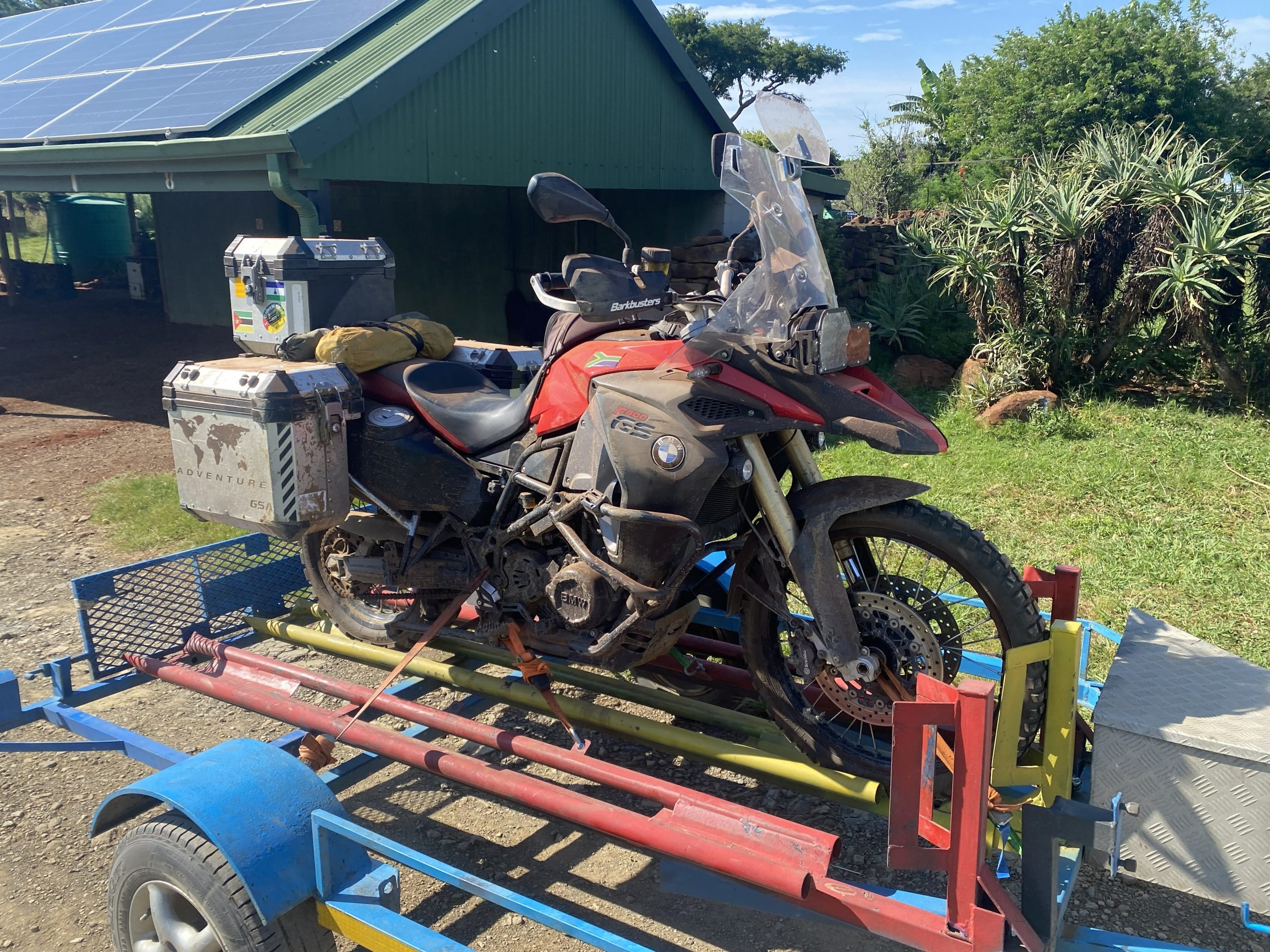
- Bikes should be strapped at at least four anchor points, with soft ties or fork blocks to prevent scratches and fork damage.
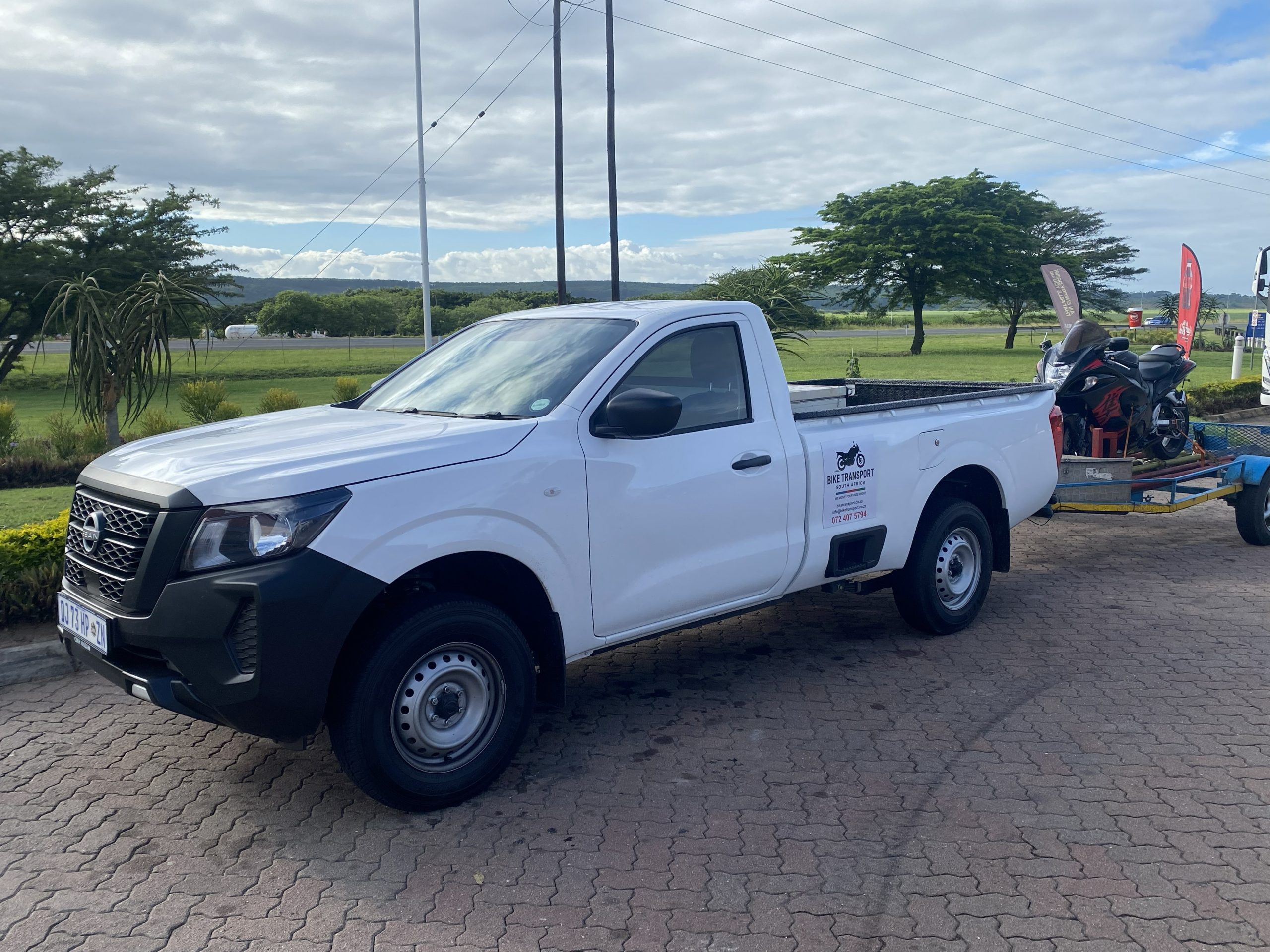
- Loading ramps, chocks, and padded anchors are signs of a professional provider.
5. Monitoring During Transport
- Many reputable providers offer basic GPS tracking updates or regular check-ins via WhatsApp/SMS, especially for high-value shipments.
6. Delivery and Final Inspection
- Meet the provider at the prearranged location.
- Inspect the bike and compare to initial photographs and condition report.
- Note any discrepancies or damage on final paperwork and notify the provider (and insurer) immediately if needed.
- Complete handover, collect copies of documentation.
Real-World Example: JHB to Durban, Adventure Bike
Scenario: Sibusiso, a Johannesburg resident, sells his 2018 BMW F850GS to a buyer in Umhlanga via BikeHub. The bike is large (229kg), running, with panniers and aftermarket crash bars.
- Route: JHB (Randburg) to Umhlanga (Durban North)
- Distance: ~580km
- Transport Option: Shared open trailer (weekly run)
- Preparation: Removed loose accessories (GPS, phone mount), provided NaTIS, proof of payment, and both parties’ IDs
- Cost: Quoted R2,000 (including R100,000 GIT cover), upgrade to enclosed trailer for extra R950 (buyer’s preference due to weather forecast)
- Timeline: Collection on Thursday, delivery schedule for Saturday AM (subject to road conditions)
- Outcome: Bike arrived without issue, both parties cross-checked photos and signed off condition report. No damage or paperwork issues reported.
Caveat: Sibusiso noted that cheaper providers were available, but he selected a verified transporter with good reviews and full GIT documentation for peace of mind.
Risks, Mistakes, and How to Avoid Them
- Damage in Transit: Poor strapping, overloading, or lack of protection is the leading cause of dents, scratches, and bent forks. Always verify the provider’s loading techniques and equipment.
- Insurance Gaps: Many basic GIT policies cap at R50,000–R100,000 per load, not per bike. Read the fine print and ask precise questions about cover and exclusions.
- Scams or Unvetted Providers: Fraudulent “brokers” still operate in the online market. Always check reviews, company registration (CIPC), and bank details (avoid EFTs to individual private accounts).
- Poor Preparation: Not securing loose bike parts, failing to photograph bike condition, or missing documents can delay or invalidate claims.
- Last-Minute Booking Issues: Providers sometimes reschedule due to low loads or route changes. Build in buffer days where possible; don’t cut timelines too close to important deadlines.
How to Choose a Reliable Motorcycle Transport Provider
- Research and Reviews: Look for platforms and providers with independent, recent customer feedback (Google Reviews, social media, or motorcycle forums).
- Insurance Proof: Request valid GIT or carrier liability insurance certificates and check their conditions.
- Equipment and Handling: Providers should use purpose-made ramps, soft straps, wheel chocks, and, for premium bikes, enclosed trailer options.
- Registration and Licensing: Prefer providers registered with CIPC and displaying valid operating certificates.
- Communication Quality: Responsive, consistent updates reflect professionalism and reduce anxiety.
- Transparent Pricing: Clear cost breakdowns and no hidden extras are crucial—ask for final, all-in quotes before payment.
Cost-Saving Strategies for Motorbike Transport
- Select Shared Loads: Group shipping reduces cost—consider flexible dates or consolidating with other buyers/sellers along your route.
- Flexible Scheduling: Avoid urgent/last-minute bookings; transporters can offer better rates with more notice.
- Major Route Collection Points: Deliver or collect from main provider depots, major dealerships, or city centres, avoiding rural or complex access charges.
- Compare Quotes: Use independent comparison platforms to view several competing, vetted providers—don’t default to the cheapest if insurance or reputation is unclear.
- Negotiate Group Discounts: Dealers, clubs, or friends shipping multiple bikes may secure bulk rates with select providers.
Frequently Asked Questions
-
How long does it take to ship a bike from Johannesburg to Cape Town?
For main routes, expect 3–5 working days for delivery after confirmed booking. Allow extra time for rural or non-standard locations. -
Is goods-in-transit insurance enough?
GIT is an industry minimum, but limits apply. For high-value bikes, ask about extra comprehensive or full-value cover and confirm in writing. -
What documents do I need to provide?
Typically: copy of ID or driver’s licence, NaTIS/registration paperwork, proof of ownership, and (if not present at collection/delivery) an authorisation letter. -
Can I include my bike’s accessories or luggage?
Loose items should be removed or separately packed/declared—most insurance won’t cover aftermarket accessories unless itemised. -
What are the core risks of using a “cheap” provider?
Risks include inadequate insurance, substandard handling, unreliable timelines, and increased potential for damage or disputes. -
Will weather or public holidays affect my booking?
Yes, severe weather and peak holidays (especially Dec–Jan) can delay schedules. Ask your provider for updates and contingencies.
Conclusion & Next Steps
With South Africa’s long distances, variable weather, and diverse road conditions, moving your motorcycle safely is never simply a case of “load and go.” Each route brings its own logistical and security realities, from busy city corridors like JHB–CPT to less-travelled rural stretches. Prices, timelines, and insurance cover vary by route, bike, method, and provider—so due diligence always pays.
Focus on platforms and providers that demonstrate transparency, solid handling, valid insurance, and a record of customer satisfaction. Document everything, stay flexible on dates where possible, and never skip detailed pre- and post-inspections.
For the smoothest possible experience, compare reputable options, ask the tough questions, and be proactive about risk. A well-chosen transport partner is crucial in protecting both your bike and your peace of mind—across all of South Africa’s popular motorcycle routes.
Next steps:
- Collect your documentation (ID, NaTIS).
- Photograph your bike’s condition.
- Request all-in quotes from trusted, well-reviewed providers.
- Confirm insurance details and provider legitimacy before paying deposits.
- Allow for possible delays, especially in peak season or rural handovers.
For further local guidance, refer to the Arrive Alive motorcycle transport safety resources, the Department of Transport, or industry associations such as the Motorcycle Importers Association of South Africa.
Disclaimer: All cost and timeline estimates are for information purposes only—your individual situation may vary. Confirm all provider-specific terms and guarantees in writing where possible.