
JHB to Cape Town Motorcycle Transport: Everything You Need to Know for a Safe, Stress-Free Journey
- Motorcycle transport between Johannesburg and Cape Town is common but comes with specific challenges, risks, and real costs.
- Expect to pay between R2,000 – R6,000 for most bikes, with transit taking 3–6 days under typical circumstances.
- Selecting a reputable, insured provider and following best practices for preparation, inspection, and documentation protects your bike and your peace of mind.
- This guide covers all the steps, risks, and tips you need—whether you’re buying, selling, relocating, or sending your motorcycle for service.
Introduction
South African motorcycle owners, buyers, and sellers face a unique set of logistics challenges when it comes to transporting bikes between major cities like Johannesburg (JHB) and Cape Town (CPT). With over 1,400km between these two hubs, moving a motorcycle safely isn’t just a matter of strapping it onto a trailer. Whether you’ve found your dream bike online in the Western Cape, need to send your adventure bike for repairs, or are relocating for work, professional transport might be the best—and sometimes only—practical solution.
This guide is for anyone exploring or arranging motorcycle transport between Johannesburg and Cape Town, including individuals, dealerships, and bike enthusiasts. You’ll learn how cross-province motorcycle logistics work in South Africa, what it really costs, practical risks to watch for, and how to ensure your pride and joy arrives safely. With reliable, unbiased advice rooted in real local scenarios, you’ll be equipped for informed, hassle-free decisions.
Protecting your motorcycle isn’t just about saving money—it’s about peace of mind and avoiding setbacks. Let’s get started.
Understanding Motorcycle Transport in South Africa
In a country as vast and diverse as South Africa, the need to move motorcycles over long distances arises more than you might think.
When and Why Transport Is Needed
- Buying long-distance: With bikes advertised on platforms like AutoTrader, BikeHub, or Gumtree, buyers and dealers often need to move motorcycles hundreds, even thousands, of kilometres.
- Selling interstate: The seller may be responsible for delivery, or both parties may split costs.
- Relocations: Moving for work, study, or lifestyle—taking your trusted bike with you ensures continuity.
- Adventure and touring: Riders may want their off-road or touring bikes delivered to preferred starting points.
- Special events: Classic bike shows, race meetings, or rallies—getting bikes there securely matters.
Distance and Route Realities
The JHB–Cape Town corridor is well-travelled but demanding: over 1,400km on the N1, with roadworks, variable weather, and high traffic volumes. Key provinces crossed include Gauteng, Free State, Northern Cape, and Western Cape. Less-trafficked rural drops may add challenges and cost, as transporters may need to detour away from the main haul route.
Demand Patterns
- Peak periods often follow bike auctions or dealer clearance sales.
- December–January sees spikes due to holidays and relocations.
- Transporters consolidate loads for efficiency—flexibility can mean savings, but may add days to the timeline.
Key Factors That Influence Cost, Safety, and Timing
Motorcycle transport is complex, and costs—and safety—vary considerably. Here are the core elements you’ll encounter:
1. Distance and Route Popularity
- JHB–CPT: R2,000–R6,000 depending on bike size, value, and timing.
- Popular routes (JHB–Durban, JHB–Port Elizabeth) may be cheaper per kilometre.
- Rural pickups/drops can add R500–R1,500 to the total cost.
2. Bike Size, Weight, and Value
- Small scooters or light bikes are cheaper (less space, easier handling).
- Large cruisers, adventure bikes, or classics demand more care and securement—expect higher quotes.
3. Transport Method
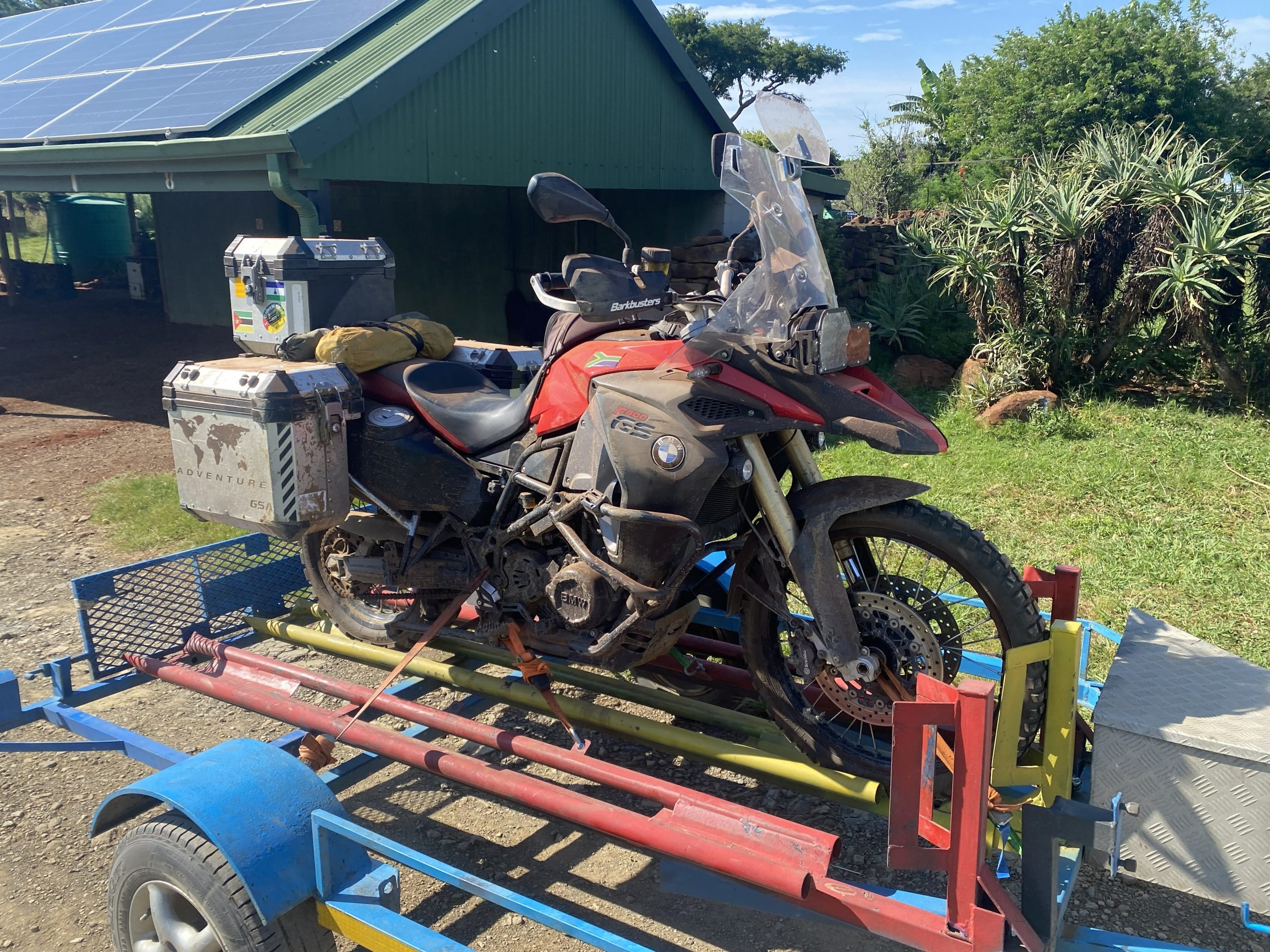
- Open trailers: More affordable but exposed to road debris, dust, and weather.
- Enclosed trailers: Best for valuable, classic, or show bikes; higher cost, better protection.
- Shared loads: Cost-effective but depend on matching schedules and routes.
4. Insurance Coverage
- Goods in Transit (GIT): Covers accidental damage/theft during transport (seek minimum R50,000–R100,000 cover).
- Carrier’s Liability: Basic cover; limited. Always get details in writing.
- Comprehensive: Arrange your own short-term or single-trip cover for high-value bikes.
5. Accessibility of Locations
- Urban pickups/drops are easier and cheaper.
- Apartment complexes, tight driveways, rural farms, or off-grid properties require advance planning—sometimes driver assistance or remote meeting points.
6. Scheduling Flexibility
- Willingness to wait for group loads can reduce cost.
- Urgent, one-way, or dedicated trips are premium-priced.
| Cost Factor | Impact on Price |
| Distance (per km) | R3 – R5/km typical for bikes |
| Bike Size/Weight | +R300–R800 for large/heavy bikes |
| Rural/Remote Locations | +R500–R1,500 per detour |
| Enclosed Transport | +20–30% extra |
How Motorcycle Transport Actually Works (Step-by-Step)
The process is straightforward if you know what to expect. Here’s how it typically unfolds between JHB and Cape Town:
1. Get Quotes and Compare
- Request quotes based on bike make/model, collection and delivery addresses, preferred timing, and special needs.
- Compare not only price, but insurance level, equipment, and reviews.
2. Secure the Booking
- Confirm your slot; pay a deposit if required.
- Get written confirmation of insurance and transport method.
3. Prepare Your Bike
- Drain fuel to minimum (a few litres, for safety and legal compliance).
- Remove loose accessories (GPS, phone holders, panniers, luggage) or secure firmly.
- Clean the bike (makes inspection easier; helps dispute resolution if needed).
- Document condition with dated, detailed photos of all sides—including existing scratches or marks.
4. Gather Documentation
- Copy of ID (owner/sender and recipient).
- NaTIS papers (Vehicle Registration Certificate).
- Proof of ownership or sale receipt if applicable (especially for dealer-to-private sales).
- Signed handover/inspection form at collection and delivery.
5. Collection
- Transporter inspects and loads the bike, checks for damage, and completes a checklist with signatures for both parties.
- Bikes are either wheeled on and secured (tie-downs/straps), or uplifted with a winch if especially heavy.
- For open trailers, additional covers or protectors may be added on request (at extra cost).
6. In Transit
- Professional providers supply tracking updates (SMS, WhatsApp, or web-based); expect at least daily communication, or immediate notification of unexpected delays.
7. Delivery
- Recipient and transporter inspect the bike together using the original condition checklist.
- Any discrepancies or damage are noted, with photographic evidence for insurance follow-up if needed.
- Final payment (if agreed in cash or EFT on delivery) is made.
Booking Lead Times
Booking 3–7 days in advance is strongly advised, especially for long routes and enclosed trailers. Last-minute requests may be possible at premium pricing.
Real-World Example: Yamaha MT-07, JHB to Cape Town
Scenario: Thabo, living in Johannesburg, buys a 2022 Yamaha MT-07 (183kg midweight roadster) from a private Cape Town seller via BikeHub. He can’t travel to collect the bike himself.
- Route: Brackenfell, Cape Town to Fourways, JHB (Approx. 1,460km N1 corridor)
- Quote range: R3,800 – R5,200 (shared load, open trailer, Goods In Transit insurance up to R100,000 included)
- Timeline: 5 days door-to-door, including a 24-hour weather-related delay outside Beaufort West
- Preparation: Seller provided ID, NaTIS papers, sales receipt; both parties exchanged photos and signed transport inspection forms.
- Outcome: Bike arrived with no issues, minimal dust, and full handover inspection completed. Buyer paid remaining 50% on delivery.
Lesson: Good communication, correct paperwork, and realistic timing delivered a secure and stress-free experience.
Risks, Mistakes, and How to Avoid Them
- Damage in Transit: Most common with open trailers, careless loading, or lack of proper tie-downs. Always insist on photographs and condition reporting at both ends.
- Insurance Gaps: Some budget providers are under-insured or offer only limited carrier’s liability (R5,000–R10,000 max), which is inadequate for most bikes. Always obtain proof of coverage, and consider a top-up where needed.
- Documentation Mix-ups: Missing ID or NaTIS can lead to collection refusal or legal headaches, especially for inter-provincial certification checks (per Arrive Alive guidance).
- Scams and Unreliable Middlemen: Always check for legitimate business registration, visible references, and a real-world address. Payment on delivery or with trusted escrow protects both parties.
- Poor Preparation: Failing to remove loose items or underestimating delivery access issues can lead to loss, damage, or extra fees. Communicate fully and prepare your bike as outlined above.
Tip: Always use providers willing to complete written inspection checklists and share verifiable insurance documentation.
How to Choose a Reliable Motorcycle Transport Provider
- Check Reviews and References: Seek feedback from SA biking forums, Google reviews, or recent users. Beware of fly-by-night operators.
- Verify Insurance and Registration: A reputable provider will provide GIT or comprehensive insurance certificates and proof of legal entity.
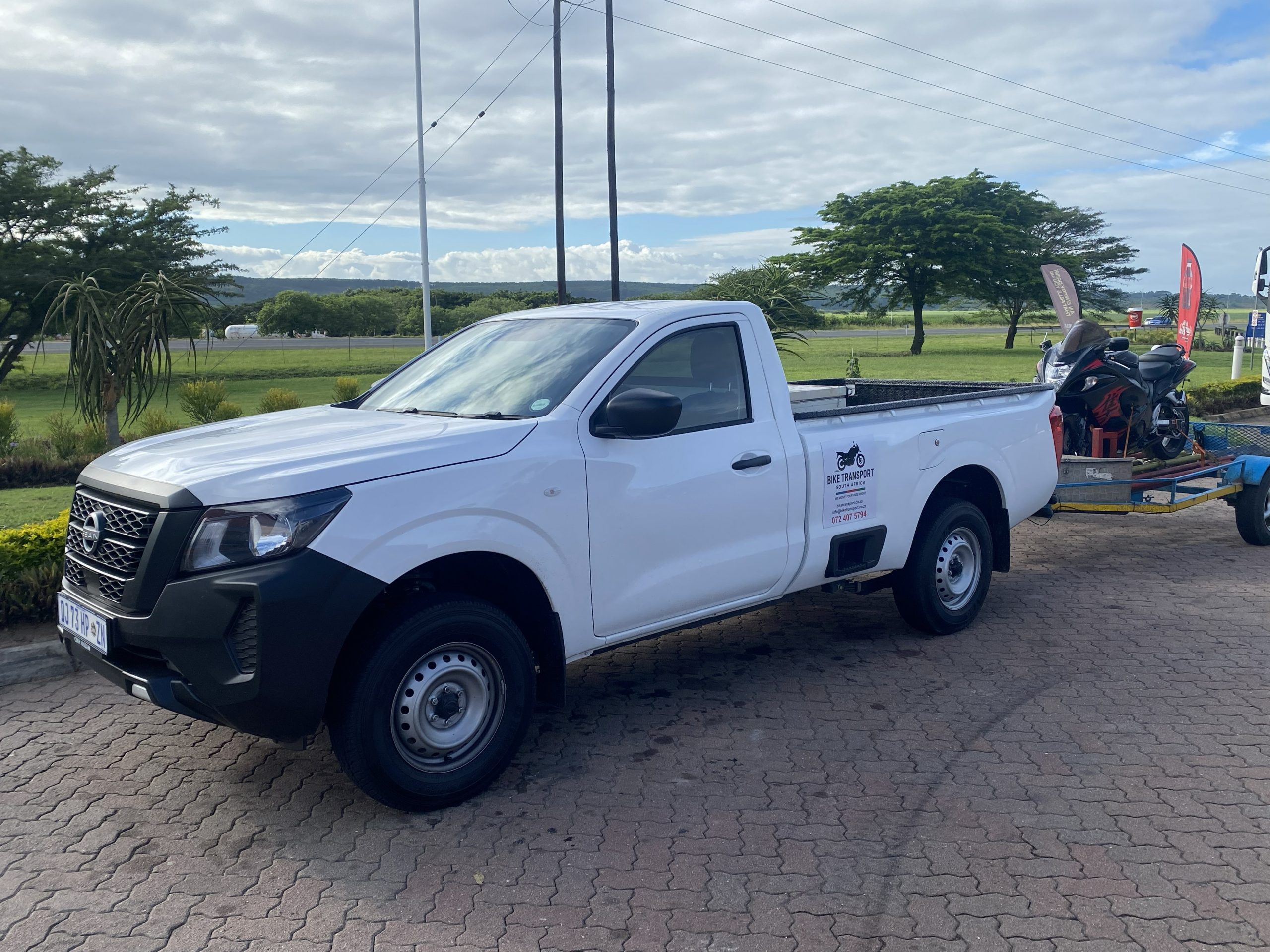
- Inspect Equipment Standards: Providers should use purpose-built bike trailers, quality tie-downs, and padded anchor points—avoid modified bakkies or generic flatbeds.
- Communication and Transparency: Professional operators answer questions clearly, provide up-to-date booking info, and don’t over-promise on timing/costs.
- Professionalism on Collection: Uniformed or branded staff, clear paperwork, and calm process management are positive signals.
Use a comparison platform to assess pros and cons of multiple options, but always do your own background checks before booking.
Cost-Saving Strategies
- Be Flexible on Dates: Shared or consolidated loads can save up to 30%, but may delay delivery by a few days.
- Book In Advance: Last-minute bookings come with ‘priority’ surcharges, especially over holiday periods.
- Urban Drop-Offs: If possible, meet at a central collection point in JHB or Cape Town to avoid rural fees.
- Prepare the Bike Yourself: Thorough cleaning, fuel reduction, and accessories removal avoids handling surcharges.
- Negotiate Bundle Discounts: Dealers or groups moving multiple bikes may secure discounts of 7–15% with some providers.
Beware of “cheap” offers: If a quote is much lower than others, check for reduced or no insurance, and increased risk of poor handling.
Frequently Asked Questions
How long does JHB to Cape Town motorcycle transport typically take?
Typical transit time is 3–6 days, depending on provider schedule, weather, and route detours. Faster (<3 days) options are possible at a premium rate, but delays can and do occur, especially during peak periods or due to road/weather conditions.
What documentation do I need for motorcycle transport?
Usually required: owner’s ID, NaTIS (vehicle registration) papers, and proof of ownership or sale if a new purchase. For unregistered bikes, additional affidavits may be necessary.
Is insurance included in the transport price?
Most professional transporters include Goods in Transit (GIT) insurance. Always ask for written proof, confirm the insured value matches your bike, and check for excess/deductible amounts. Comprehensive or top-up cover can be arranged for higher-value motorcycles.
What if my bike is damaged during transport?
Immediate inspection and documentation on delivery is vital. Notify the transporter and insurer in writing (with photos) as soon as possible. Settlements depend on insurance terms and prior inspection reports.
Can I transport my bike with some gear or spares?
It depends on the provider—some accept securely packed, documented items; others refuse for legal and insurance reasons. Never leave valuables, documents, or fuel cans with the bike.
Are rural or off-grid deliveries possible?
Yes, but costs can rise. Clear communication about exact location, road conditions, and accessibility is essential. You may need to meet at a tarred road junction or nearby town if direct access isn’t feasible.
Conclusion & Next Steps
Transporting a motorcycle between Johannesburg and Cape Town is a manageable process—if you approach it with clear information, careful preparation, professional partners, and realistic expectations. Every step, from booking to handover, carries practical and legal implications for your bike’s safety and your financial protection.
Key takeaways:
- Expect typical costs between R2,000–R6,000, with timelines of 3–6 days.
- Prioritise insurance, transparent documentation, and shared inspection reports.
- Use independent comparison platforms to assess your options, but verify providers independently.
- Take preparation and paperwork seriously—sloppy planning is the most common cause of issues.
This guide empowers you to make informed, confident decisions regarding motorcycle transport in South Africa’s real-world conditions. For individual price estimates, deeper provider reviews, or additional cross-province route guidance, consult a trusted, unbiased logistics comparison service—protect your bike and your own interests every step of the way.
Disclaimer: All price ranges and scenarios in this guide are based on industry averages and user reports as of 2024; specific costs and timelines may vary by provider, bike model, fuel prices, and route conditions.