
Is DIY Motorcycle Transport Cheaper Than Professional Services? Your Essential South African Guide
Considering transporting your motorcycle across South Africa? DIY might seem cheaper upfront, but real-world risks, logistics, and hidden costs can quickly add up. This article compares DIY and professional motorcycle transport for routes like Johannesburg–Cape Town, explains pricing, safety, and insurance, and shares practical tips so bike owners make informed, cost-effective, and safe choices.
Introduction: SA Bike Owners Facing Real Choices
Whether you’re buying a motorcycle online from a Durban seller, moving from Pretoria to Cape Town, or arranging a dealership transfer from Port Elizabeth, getting your bike safely from point A to B is a serious project in South Africa. Many owners wonder: is it cheaper (and safe) to organise my own transport, or should I use a professional bike mover?
This guide is for South African motorcycle owners, buyers, sellers, and dealers weighing their options. We share practical insights from local routes, price realities, logistical issues, and risk points. You’ll learn how both DIY and professional bike transport really works, what it costs, and how to protect yourself, your bike, and your wallet.
Understanding Motorcycle Transport in South Africa
When and Why Transport Is Needed
Motorbike transport needs arise in varied situations, such as:
- Buying a used bike through AutoTrader, BikeHub, or Facebook Marketplace from another province
- Selling your motorbike online, with the buyer requesting delivery
- Relocating for work or studies, often between major hubs like Gauteng, Kwazulu-Natal, and Western Cape
- Moving stock between dealerships or bringing in rare bikes for servicing or events
- Taking your bike on a long-distance trip where self-riding may not be viable
The Realities of Distance and Demand
South Africa’s vast distances present high costs and unique challenges. A Johannesburg-to-Cape Town move covers about 1,400km. Even “short” hauls like Durban to Johannesburg are roughly 600km, with fuel, tolls, and road wear to consider. Demand is highest on major JHB–CPT, DBN–JHB, PE–CPT corridors, but rural pickups or drop-offs require extra coordination and cost.
Key Factors That Influence Cost, Safety, and Timing
What Determines the Price?
- Distance & Route Popularity: Popular routes (e.g., Cape Town to Johannesburg) offer better rates via shared loads, while out-of-way destinations cost more.
- Bike Size & Value: Larger adventure or touring bikes cost more to move safely than a small urban scooter.
- Transport Method: Enclosed carriers are pricier but safer; open trailers are cheaper but riskier. Shared load moves spread costs; dedicated trailers cost more.
- Insurance: Comprehensive cover (often not included in “DIY”) increases costs but protects value.
- Pickup/Drop-off Accessibility: Metro-to-metro is cheaper; rural or difficult access adds delivery surcharges.
- Timing & Flexibility: Rush services or fixed-date deliveries cost more; flexible timing allows for ride-sharing savings.
Example Price Ranges (2024):
| Route (One Way) | Bike Type | DIY Cost Estimate (Open Trailer/Fuel/Tolls) |
Typical Professional Service Price Range |
|---|---|---|---|
| Johannesburg – Cape Town (~1,400km) |
Mid-size Adventure (e.g. BMW F 800 GS) | R3,200–R6,000 | R3,500–R6,500 (incl. basic insurance) |
| Durban – Johannesburg (~600km) |
Small sports bike (e.g. KTM Duke 200) | R1,800–R3,200 | R2,000–R3,800 |
| Port Elizabeth – Cape Town (~770km) |
Cruiser (e.g. Harley-Davidson Sportster) | R2,000–R4,000 | R2,500–R4,500 |
Important: DIY costs assume you have safe, legal towing gear and factor in fuel, tolls, and food/accommodation if overnight. Professional quotes often include insurance and credible tracking.
How Motorcycle Transport Actually Works (Step-by-Step)
Booking and Preparation
- 1. Research & Book: Choose a reliable transport provider or finalise your DIY plan. Check schedule, insurance, and references (for providers).
- 2. Prepare Documentation: Gather ID, proof of ownership (NaTIS papers), and any sale/transfer documents. You may need these at police checks or for depot storage.
- 3. Condition Report & Inspection: Take clear photos, note damage, log odometer reading. Both you and the carrier (or recipient) should sign off on bike condition.
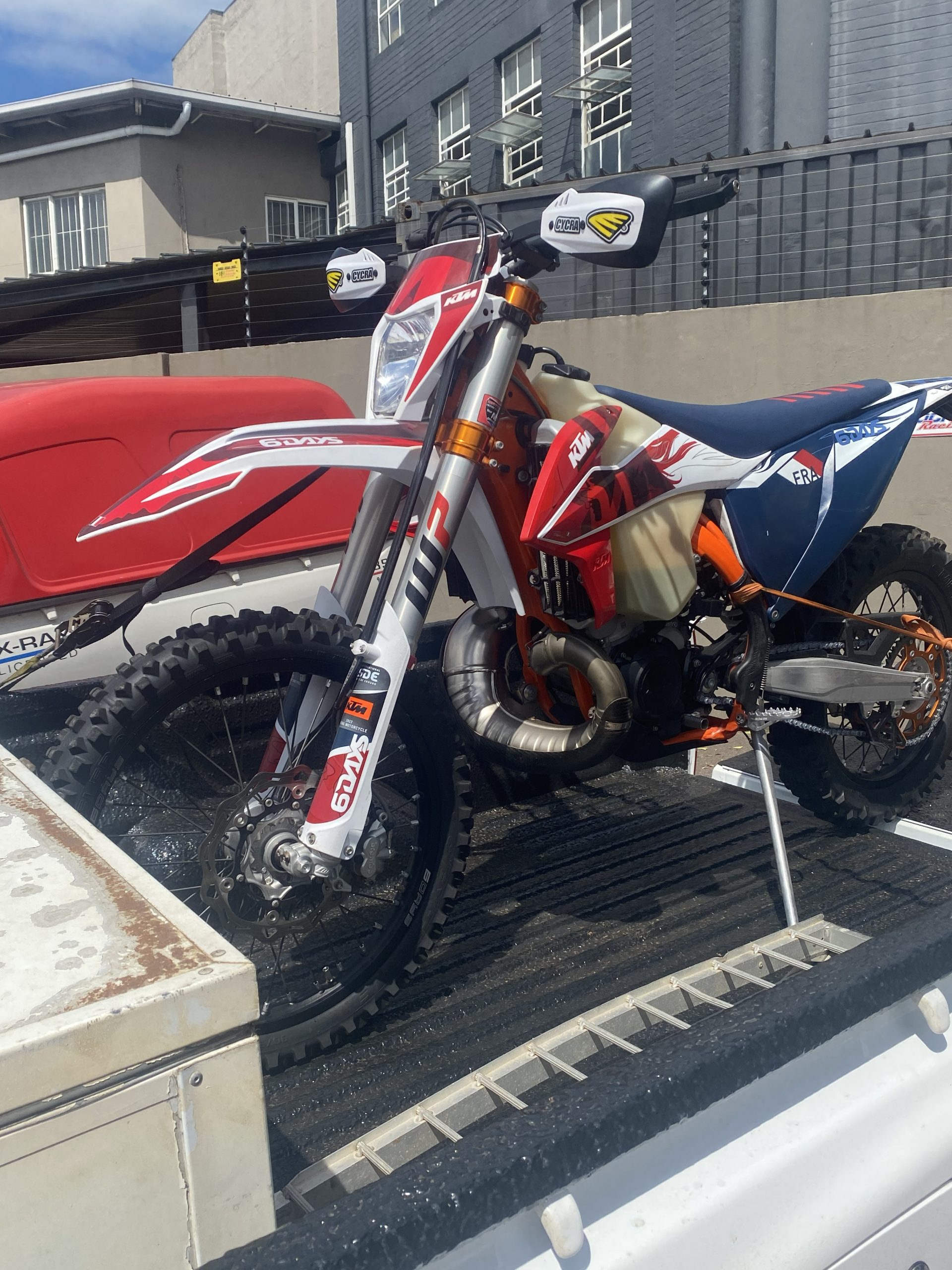
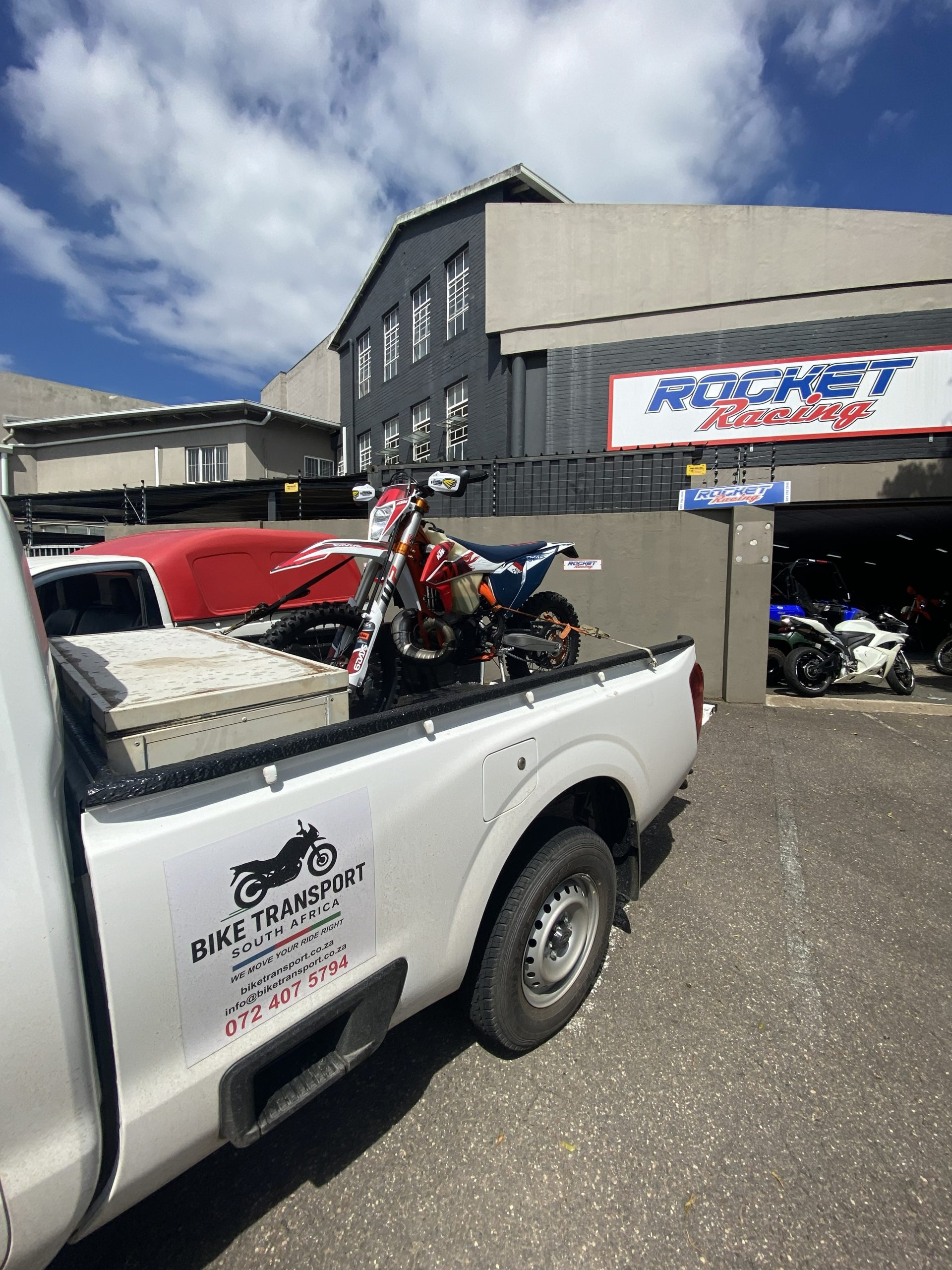
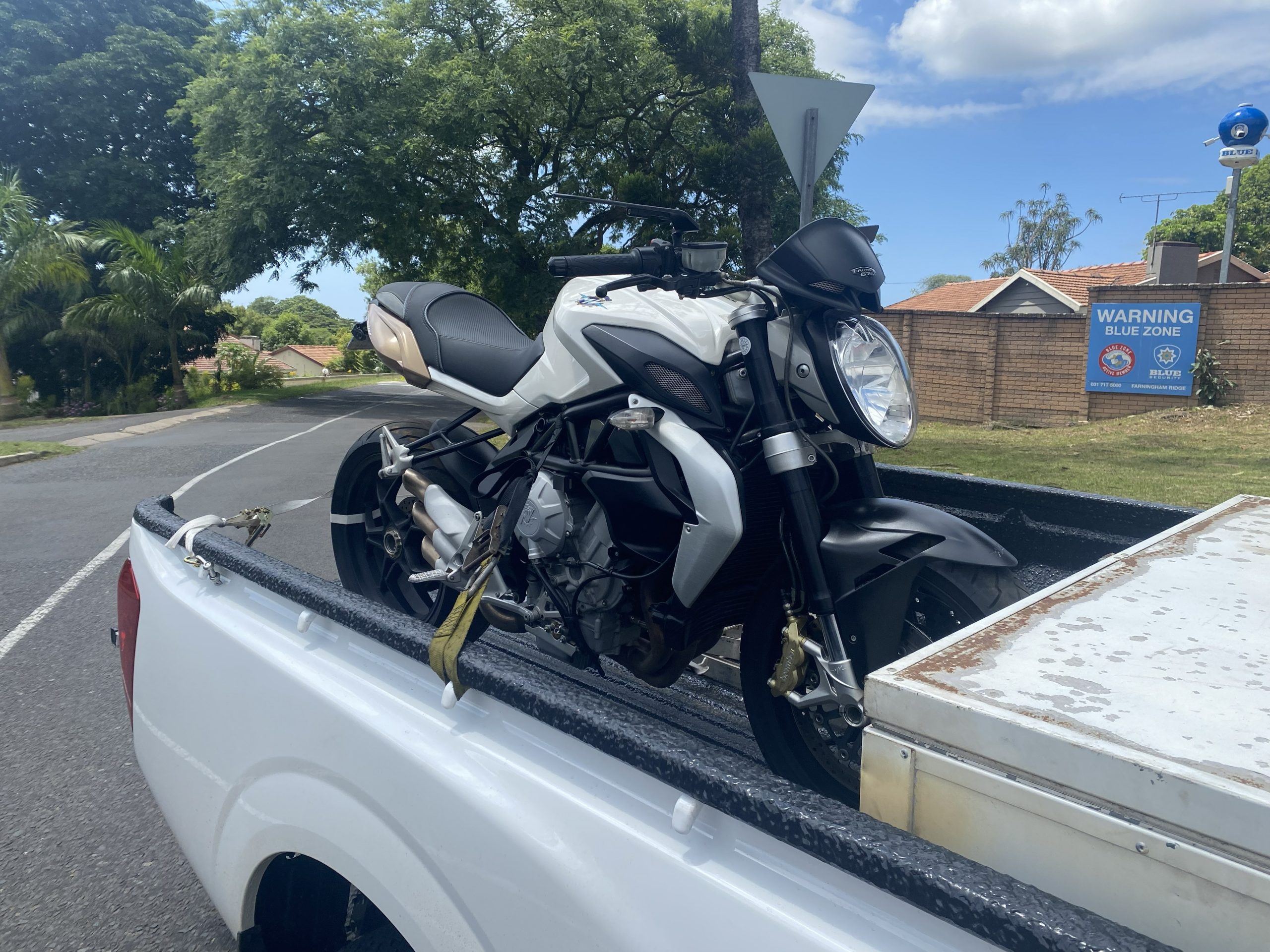
- 4. Secure Loading: For DIY, you’ll need a purpose-built ramp, wheel chocks, soft ties, and ratchet straps rated for your bike’s weight. Professional services bring all gear; DIYers often underestimate what’s needed.
- 5. Transit & Monitoring: Professionals offer tracking or progress updates. DIY: you’re on your own (with increased exposure to weather, road, crime, etc.).
- 6. Delivery & Handover: Meet at the arranged location, inspect for damage, crosscheck documentation, and sign-off the transfer. Keep records for your peace of mind.
Real-World Example: Adventure Bike Purchase, JHB to Cape Town
Scenario: Sipho buys a second-hand Yamaha Tenere 700 from a private seller in Gauteng after finding it on BikeHub. He lives in Cape Town.
- Distance: ~1,400km (Johannesburg to Cape Town)
- Options Considered: Collect with friend’s bakkie and hired trailer vs. professional shared load service
- DIY Cost Breakdown: Fuel: R2,500, Trailer hire: R800, Tolls: R300, Meals & overnight: R1,200, Insurance: Not included, Total: ~R4,800
- Professional Service: R4,200 all-in (shared enclosed trailer, basic GIT insurance included, 5-day estimated delivery)
- Outcome: Sipho chose the professional option to avoid leave-days off work and risk of a 19-hour drive. The bike arrived with no damage; some scratches were already logged in the pre-shipment inspection. He received daily status updates and a successful, documented handover.
Key learning: Upfront DIY savings often disappear once you account for time, risk, proper gear, and insurance gaps.
Risks, Mistakes, and How to Avoid Them
- Underestimating Risks: SA roads present hazards such as potholes, criminal hotspots, and unpredictable weather. Open trailers invite stone-chips, dust ingress, and theft if parked overnight. Refer to Arrive Alive for transport safety tips.
- Poor Bike Securement: Inadequate straps or cheap DIY ramps = common causes of damage (scratches, fairing cracks, even bikes toppling over at stops).
- Insurance Oversights: Many assume home/car insurance covers DIY bike towing or shipping – often not true unless you’ve declared it! Professional movers generally offer Goods-in-Transit (GIT) or carrier liability insurance, but always check terms.
- Unreliable Service Providers: Scams and “ghost” movers exist—always check company registration, insurance, and independent customer reviews.
- Documentation Errors: Missing papers can delay or invalidate handover; cross-check all paperwork before your bike leaves or arrives.
How to Avoid These Pitfalls:
- Use recognised comparison platforms to check multiple provider reviews and credentials.
- Photograph and document everything at handover and delivery (condition, papers, signatures).
- Insist on written quotes listing insurance and delivery commitments. Avoid vague WhatsApp-only deals.
- For rural or low-access locations, factor in extra time (and costs) for pickup/delivery.
How to Choose a Reliable Motorcycle Transport Provider
- Verify Insurance: Check for valid Goods-in-Transit insurance (ask for proof); reputable pros supply this.
- Reviews and References: Look up ratings on independent platforms and motorcycle forums. Ask for recent references if unsure.
- Professional Equipment: Enclosed or purpose-based trailers, proper wheel chocks, and soft tie-downs indicate care and experience.
- Clear Communication: Do they answer questions? Provide timelines and process details? Good operators are transparent and responsive.
- Business Credentials: Registered company, proper invoicing, and established web presence are strong trust signals.
Cost-Saving Strategies
- Flexible Timing: Tweak your pickup/delivery dates to take advantage of shared transport routes—especially on major corridors.
- Compare Multiple Quotes: Use a reputable comparison platform to see the market range for your move.
- Metro-to-Metro Transport: Offer to meet/drop off at main depot points; avoid “last mile” rural surcharges.
- Group Shipping: If you know other riders needing similar transport, ask for a group or “backhaul” discount.
- Declared Value: Be accurate about your bike’s value; avoid overpaying for insurance you don’t need.
- Do DIY Only With Proper Gear: Borrow or rent high-quality (not makeshift) equipment if you must do it yourself; never compromise on safe strapping, ramps, and compliant lighting/number plates.
Frequently Asked Questions
-
Is professional motorcycle transport in SA worth the extra cost?
Usually, yes—once risk, insurance, logistics, and gear costs are considered. DIY is only cheaper if you have all necessary equipment and are confident with long-distance towing. -
Does my car/home insurance cover a motorcycle being towed?
Rarely. Most insurers exclude motorcycles from comprehensive cover when transported unless declared. Always check with your insurer—or ensure the transport provider’s insurance is valid. -
How long does motorcycle transport typically take?
JHB–CPT is usually 4–7 working days with shared loads; shorter or major-metro routes can be overnight. Rural pickups/deliveries may add extra days. -
What paperwork is needed for bike transport?
ID, NaTIS registration papers (or police clearance, if recently purchased), and possibly proof of ownership or sale agreement. -
Can a bike be damaged in transit? What recourse do I have?
While rare with pros, damage can occur—it’s vital to do pre/post-shipment inspection reports and ensure clear insurance terms for claims.
Conclusion and Next Steps
In South Africa, DIY motorcycle transport can appear cheaper, but hidden costs, regulatory risks, and practical headaches often erode those savings—especially for long distances or high-value bikes. Professional services deliver extra safety, accountability, insurance, and peace of mind, especially when using knowledgeable, independently rated providers. Always compare quotes, insist on proof of insurance, document every step, and weigh your own confidence and risk tolerance before choosing.
For reliable, up-to-date price checks and trusted mover reviews, use a respected comparison platform geared to South African motorcycle owners. Shield yourself from surprises and make a safe, informed decision for your next motorcycle journey—on the road or on the trailer.
Disclaimer: All pricing and timeline estimates are for general guidance only and can vary. Always confirm quotes, insurance terms, and documentation requirements before committing to any transport option.