
Understanding Transport Reviews: What to Look For – Making Safer Motorcycle Moves in South Africa
Planning to transport your motorcycle in South Africa? Making sense of transport reviews can protect you from costly mistakes, scams, or avoidable damages. This guide explains when and how motorcycle transport is needed, what impacts cost and safety, how the process actually works, and how to assess reviews to find a trustworthy provider. We cover real South African routes, local risks, actual cost ranges, and step-by-step guidance—all to help you move your bike with confidence.
Introduction: South African Motorcycle Moves – Why Reviews Matter
Picture this: you’ve bought a classic BMW GS on AutoTrader, but the seller’s in Johannesburg and you’re in Cape Town. Maybe you’re relocating from Durban to Pretoria, or you run a Gauteng bike dealership needing to send a Yamaha across provinces. Whether you’re a first-time buyer, dealership manager, or a seasoned biker, moving a motorcycle is about more than just the kilometers – it’s about trust, safety, cost, and a process you can rely on.
South Africans face unique transport challenges: long distances, unpredictable weather, infrastructure gaps, and unfortunately, crime risks. That’s why understanding genuine customer reviews is crucial. One bad move can result in avoidable damage, delays, or financial loss. This guide is for local bike owners, buyers, sellers, dealers, and enthusiasts who want to demystify transport reviews, recognise red flags, and make informed, confident choices.
Understanding Motorcycle Transport in South Africa
When and Why is Transport Needed?
The demand for motorcycle transport typically arises in these scenarios:
- Buying or selling motorcycles online (e.g. via BikeHub, AutoTrader)
- Private or dealer-to-dealer transfers across provinces
- Relocation for work, study, or lifestyle reasons
- Events and rallies requiring temporary transport (e.g. from Cape Town to the Buffalo Rally in Mossel Bay)
- Repairs or restoration with specialist garages far from home
Distance Realities and Demand Patterns
South Africa’s vastness shapes transport logistics. Popular long-haul routes include:
- Johannesburg ↔ Cape Town (±1,400km; about 2–4 days transit)
- Durban ↔ Johannesburg (±600km; 1–2 days)
- Pretoria ↔ Port Elizabeth/Gqeberha (±1,100km; 2–3 days)
- Intra-province moves (e.g., Cape Town suburbs, Gauteng metros)
Urban moves generally see faster turnaround and higher review volumes, while rural pickups/deliveries often involve longer lead times and fewer service providers.
Key Factors That Influence Cost, Safety, and Timing
The Main Variables
- Distance and Route Popularity: The further and less-travelled the route (e.g. Upington to Knysna), the higher the potential cost and risk of delays.
- Bike Size and Value: Larger, heavier, and high-value bikes (Harley Davidson, superbikes) may cost more to transport, due to special loading/equipment and extra care.
-
Transport Method:
- Open trailers: Cheaper; greater exposure to weather, debris, and crime.
- Enclosed trailers: More expensive; better protection.
- Shared loads: Lower cost if your transport coincides with other bikes on the same route; availability may limit scheduling flexibility.
- Insurance Coverage: Standard Goods-in-Transit (GIT) insurance vs. optional full comprehensive protection. Always check policy limits and exclusions.
- Pickup/Drop-Off Accessibility: Urban addresses with good access (driveways, loading bays) are easier and safer than remote or rural collection points.
- Scheduling Flexibility: Flexible timing (e.g. being able to wait for shared loads) can reduce cost. Urgent or last-minute moves generally carry a premium.
Realistic South African Cost Ranges
As of 2024, expect to pay approximately:
- R1,500–R3,500: Short hauls (<300km) within province (e.g. Pretoria to Joburg, CPT northern to southern suburbs)
- R3,800–R7,500: Major city-to-city (JHB ↔ CPT, DBN ↔ JHB, PE ↔ CPT)
- R7,000–R12,000+: Long-distance and remote rural routes, or premium specialist moves
Always confirm whether the quote includes insurance, VAT, and all fees.
How Motorcycle Transport Actually Works (Step-by-Step)
1. Initial Research and Booking
- Compare independent reviews from South African bikers on specialist forums, Facebook groups, and trusted platforms.
- Request detailed quotes, specifying your bike details, route, and preferred timing.
- Verify company credentials (business registration, insurance) before booking.
2. Preparation Before Collection
- Remove personal items and loose accessories.
- Photograph your motorcycle from all angles as a condition record.
- Gather required documentation:
- Copy of your ID (as per Arrive Alive guidelines)
- NaTIS/certificate of registration
- Ownership proof (especially for dealer or finance deals)
- Reduce fuel to about a quarter tank (fire safety).
3. Collection and Loading
- Agree an exact collection time and place (ideally a safe, accessible public area).
- Inspect and document the bike together with the driver or agent.
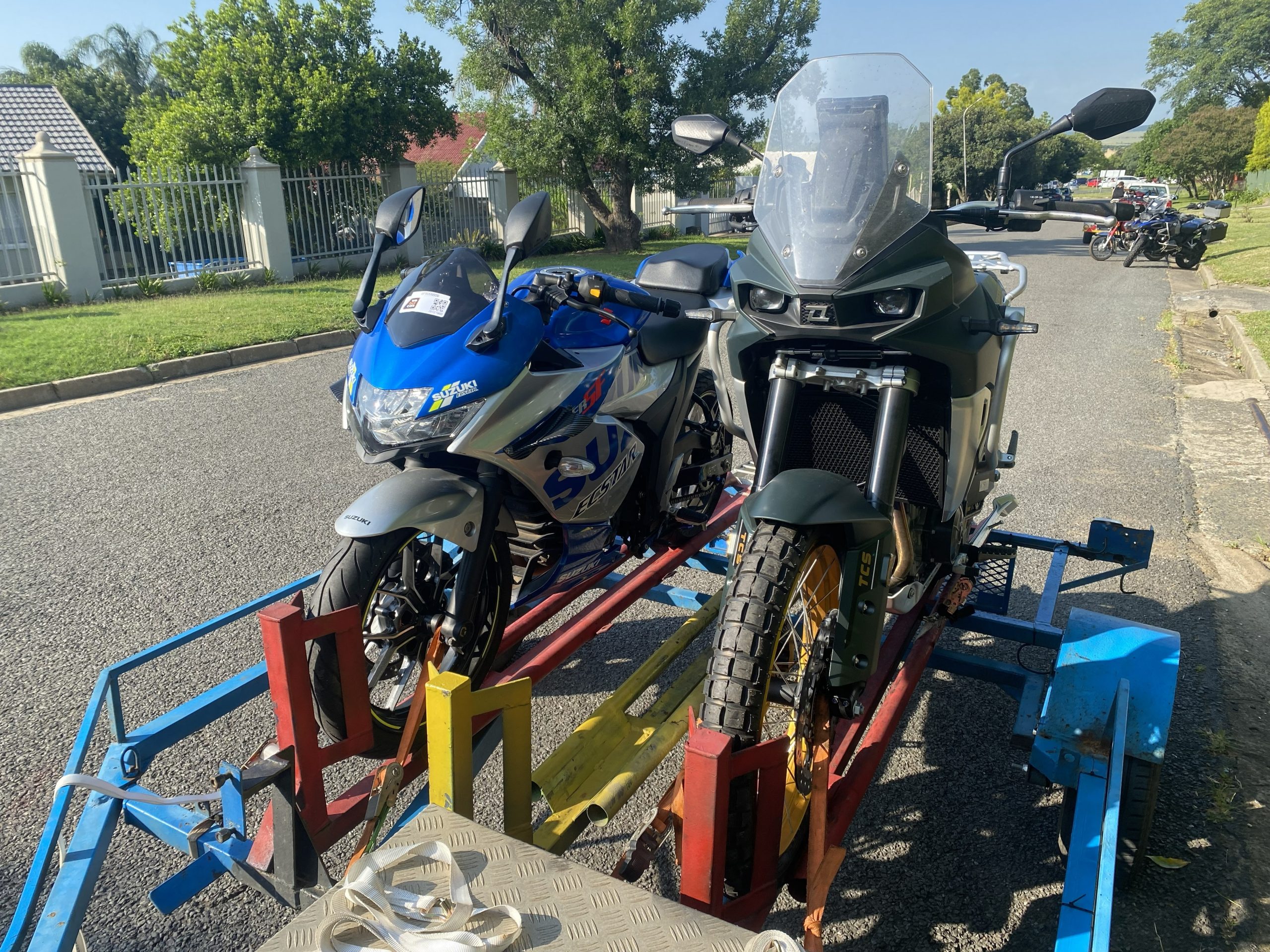
- Check securement: Look for the use of padded straps, front wheel chocks, and fork blocks to prevent movement.
4. In Transit
- Reliable providers will share location updates or direct driver contact details.
- Transit times may be affected by weather (heavy rain, flooding, seasonal delays) or road conditions (potholes, construction).
5. Handover and Delivery
- Inspect the motorcycle thoroughly before signing any delivery documentation.
- Note any scrapes, scratches, or damages for immediate claim process initiation.
- Check for returned documentation and ensure you have the right keys, papers, and original accessories.
Real-World Example: Booking and Delivery Case Study
Situation: A Pretoria-based buyer purchases a Suzuki V-Strom 650 from a dealer in Cape Town via BikeHub. The seller recommends a well-reviewed comparison platform.
- Route: Cape Town CBD to Pretoria East (±1,400km, >13-hour drive non-stop)
- Booking: Agreed on a shared load for better value
- Preparation: Dealer provided NaTIS documents, buyer sent ID and deposit proof
- Transport: Enclosed trailer, GIT insurance of R50,000 included
- Cost: R4,800 (including VAT and insurance)
- Timeline: 4 days from collection to delivery, including one stopover in Bloemfontein due to weather
- Outcome: Bike arrived undamaged, condition matched pre-transport photos, handover documentation completed, minor delay communicated proactively
This case illustrates a typical, successful long-distance move—well-communicated, modestly priced for the service level, and documented every step of the way.
Risks, Mistakes, and How to Avoid Them
Common Pitfalls
- Damage During Transit: Poorly secured bikes can tip or slide, especially on rough rural roads or open trailers exposed to wind and debris.
- Insurance Gaps: Standard GIT often excludes accessories or loss due to theft. Read policy documents carefully and ask the provider for written confirmation of cover.
- Scams and Unverified Providers: Beware of unregistered, cash-only operators or deal “offers” only found on Gumtree, Facebook Marketplace, or WhatsApp groups. Genuine providers will willingly provide references and insurer details.
- Poor Preparation or Mismatched Expectations: Incomplete documentation or unclear instructions on delivery locations can cause handover delays and extra costs.
- Underestimating Timing: Some delays are unavoidable—protests, breakdowns, or weather events. A reputable provider will communicate proactively.
How to Choose a Reliable Motorcycle Transport Provider
Step-by-Step Verification
- Review Track Record: Seek out recent, detailed reviews from other South African bike owners on independent platforms or social channels. Look for specifics (“my Harley arrived in Sandton without a scratch but two days late due to N1 closure…”).
- Verify Insurance Proof: Genuine transport providers have copies of insurance certificates (ask to see Goods-in-Transit and, if possible, carrier liability policy schedules).
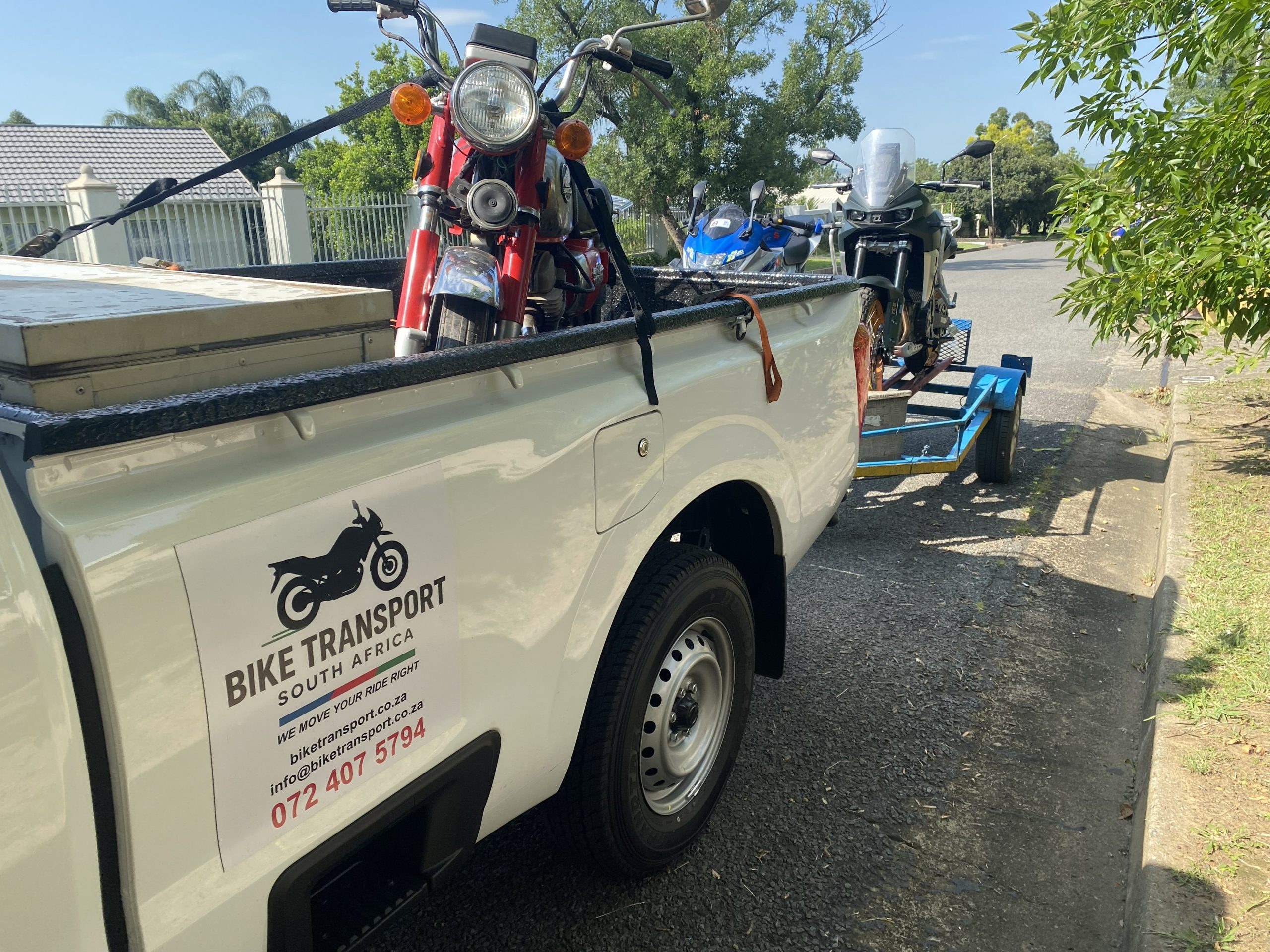
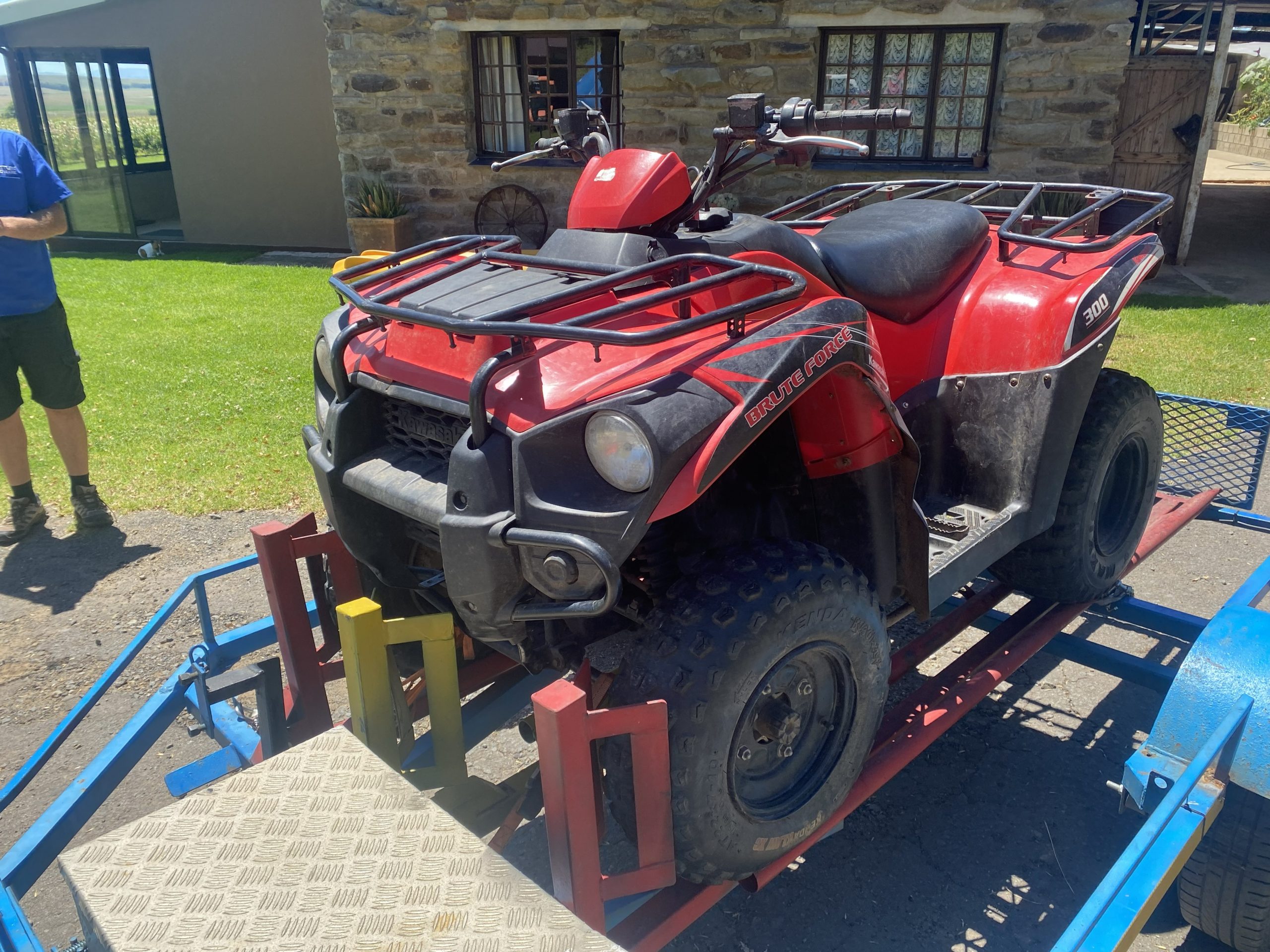
- Assess Equipment Suitability: Does the operator use dedicated motorcycle trailers with securement systems (chocks, padding, ramps)?
- Gauge Communication Quality: Are queries answered promptly and clearly? Is there a transparent process for damage claims?
- Trust Professional Markers: Look for transparent pricing, contracts, company registration, and traceable physical addresses (not just a cellphone number).
Red Flag Reviews:
- Multiple reports of damages, long unexplained delays, or lack of communication
- Suspiciously generic or overly positive reviews (“incredible, 5-star, will always use!”) without specifics
- No mention of insurance, inspection, or documentation processes
When in doubt, use an established comparison and coordination platform that screens providers before letting them list.
Cost-Saving Strategies for SA Motorcycle Transport
- Flexible Scheduling: Allow your bike to travel as part of a shared load if timing is not urgent – this is more budget-friendly than exclusive trips.
- Main Route Advantage: Start or end your move at a city on a major corridor (e.g., JHB, DBN, CPT); rural off-route pick-ups/deliveries cost extra.
- Self-Delivery/Collection Option: Deliver or collect the bike at a central depot rather than requesting home service to save on “first/last mile” charges.
- Consolidate Moves: If you’re a dealer or club, moving multiple bikes on one booking may unlock discounts.
- Prep to Avoid Extra Fees: Be ready with documentation, clear collection info, and the motorcycle cleaned for inspection—this minimises waiting charges and damage disputes.
Frequently Asked Questions
-
How far in advance should I book motorcycle transport?
Ideally, book at least 5–7 days before your required date for major city routes; 10–14 days for remote or rural areas. -
What type of insurance is standard?
Goods-in-Transit (GIT) is standard but may have low limits or exclusions—confirm coverage with the provider and consider top-up insurance for high-value or classic bikes. -
Will my bike be transported with others?
Most cost-effective moves use shared loads on major routes unless you pay for an exclusive trip; clarify this at booking. -
What documentation is essential for transporting my motorcycle?
At a minimum: your ID, proof of ownership/NaTIS certificate, and (for sales/finance) transfer proof or letter of authority. -
Is my bike at risk of theft during transport?
Reputable providers use secure, trackable trailers and avoid overnight stops in high-risk areas; always check security practices and insurance before booking. -
What if my bike is damaged in transit?
Note damage on delivery and notify the provider within 24 hours. Provide photos and your pre-transport condition report. Follow the formal insurance claim procedure.
Conclusion & Next Steps: Make Confident Motorcycle Moves in SA
Transporting a motorcycle in South Africa, whether for a private deal, dealership transfer, or relocation, is a significant logistical and financial decision. Costs, timelines, and risks vary widely depending on route popularity, transport method, provider reliability, and your readiness with documentation and flexible timing.
The best safeguard is a combination of careful preparation and informed provider selection. Prioritise thorough, recent reviews—especially those that explain both positives and negatives. Always confirm that your chosen transporter offers proper insurance (and provides written proof), is transparent about equipment and processes, and communicates proactively.
If in doubt, opt for a trusted, independent transport comparison platform that prioritises your interests over any single carrier’s sales pitch. Above all, never rush the process—an extra day or two of planning can save you thousands in cost and untold headaches. Safe travels and enjoy your next South African ride!